
Begonia rex is a beautiful and unique plant that is surprisingly easy to grow at home. In this blog post, we will discuss the best way to care for your begonias so that they thrive and produce beautiful blooms. We will also provide some helpful tips on how to propagate new plants from existing ones. So if you are looking for an interesting and low-maintenance houseplant, be sure to give begonia rex a try!
What kind of plant is a begonia rex?
Begonia rex is a species of flowering plants in the Begonia family (Begoniaceae). They grow in Central and South America, India, China and Vietnam, as well as in some parts of Asia, Africa and Australia. The name “begonia” comes from Michel Begon, who was an early governor-general of Canada (1702-1709). It also has another name, painted leaf begonia, because of the characteristic coloring on the leaves.

Painted leaf begonia is one of the most popular in the begonia family because it is very good for home growing.
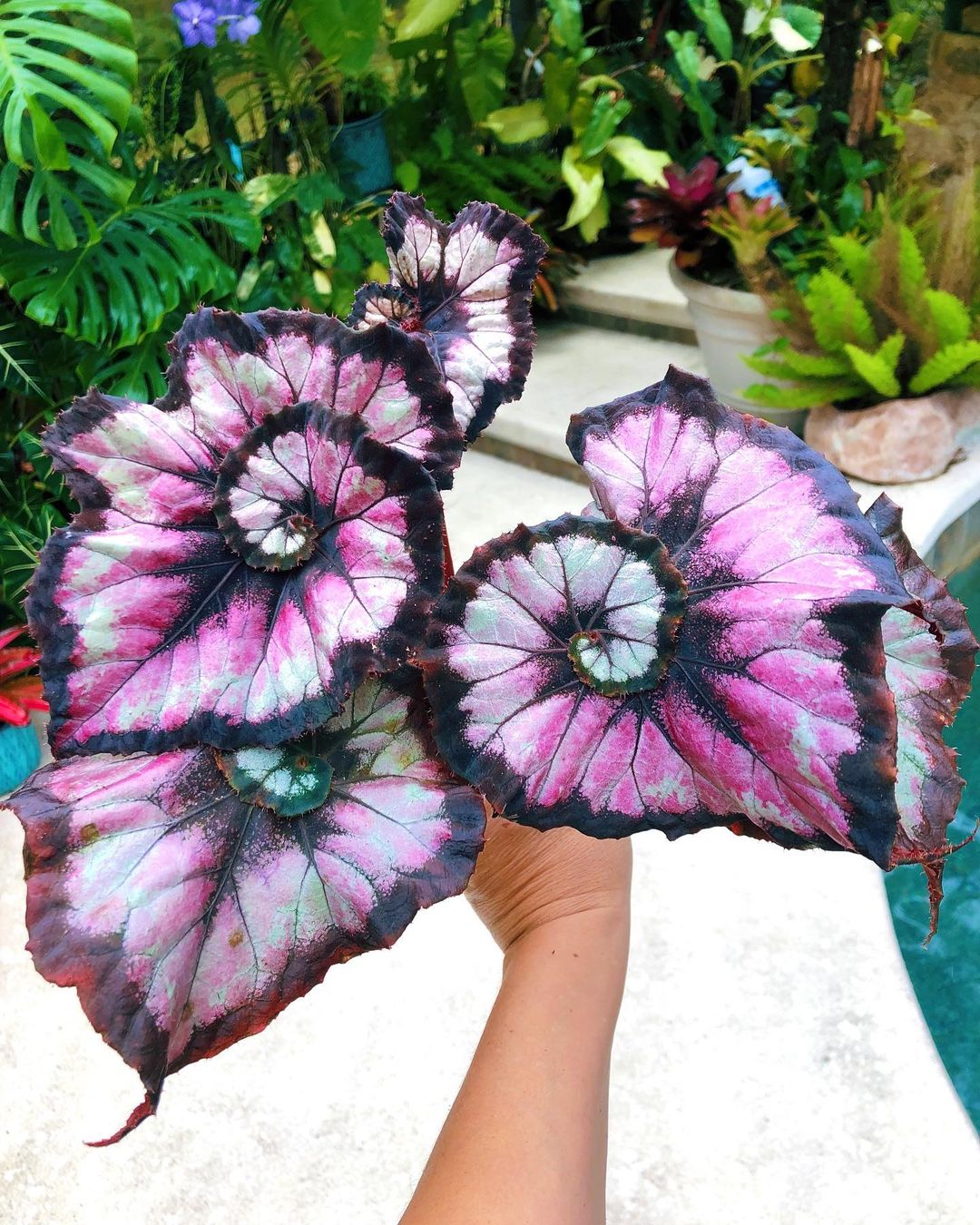
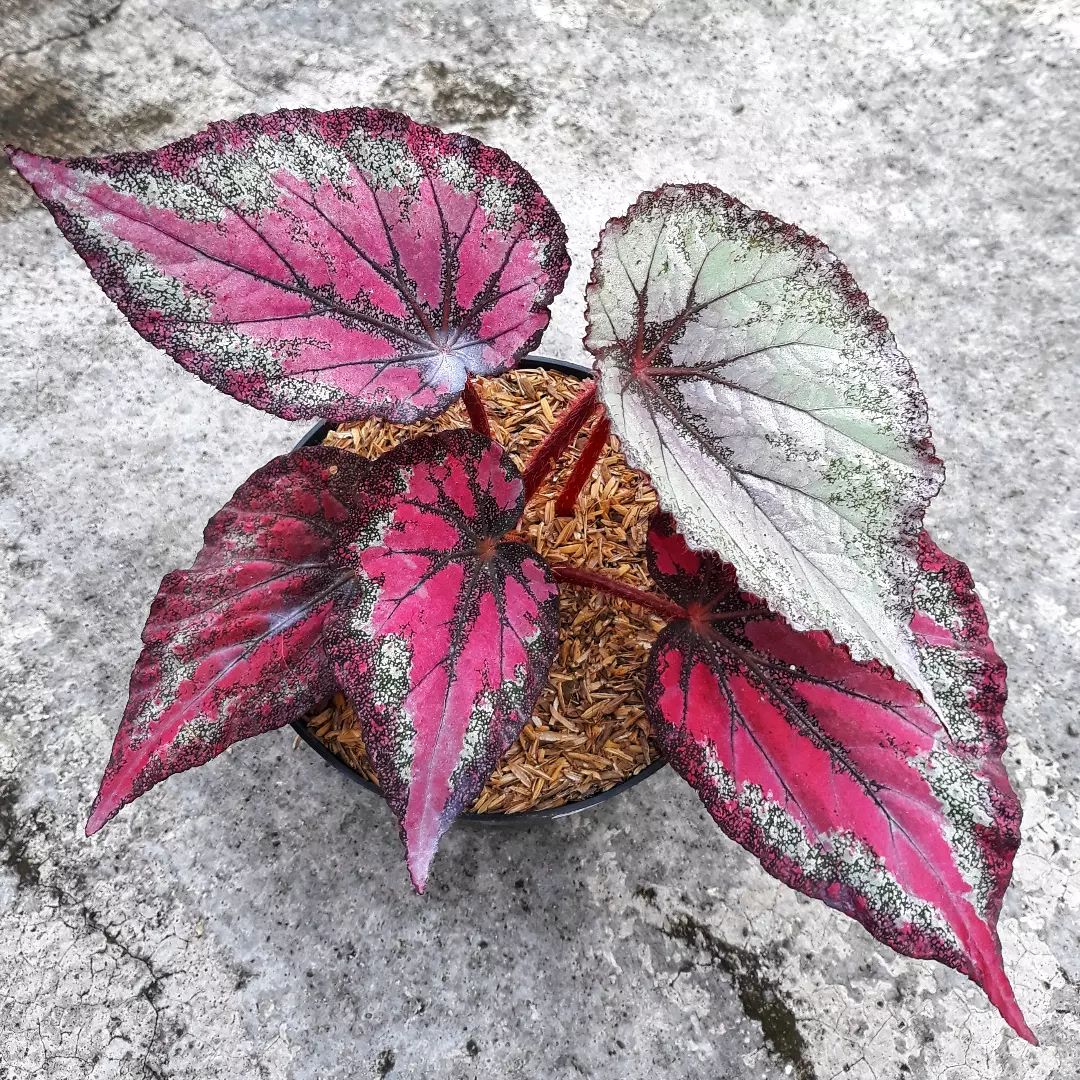
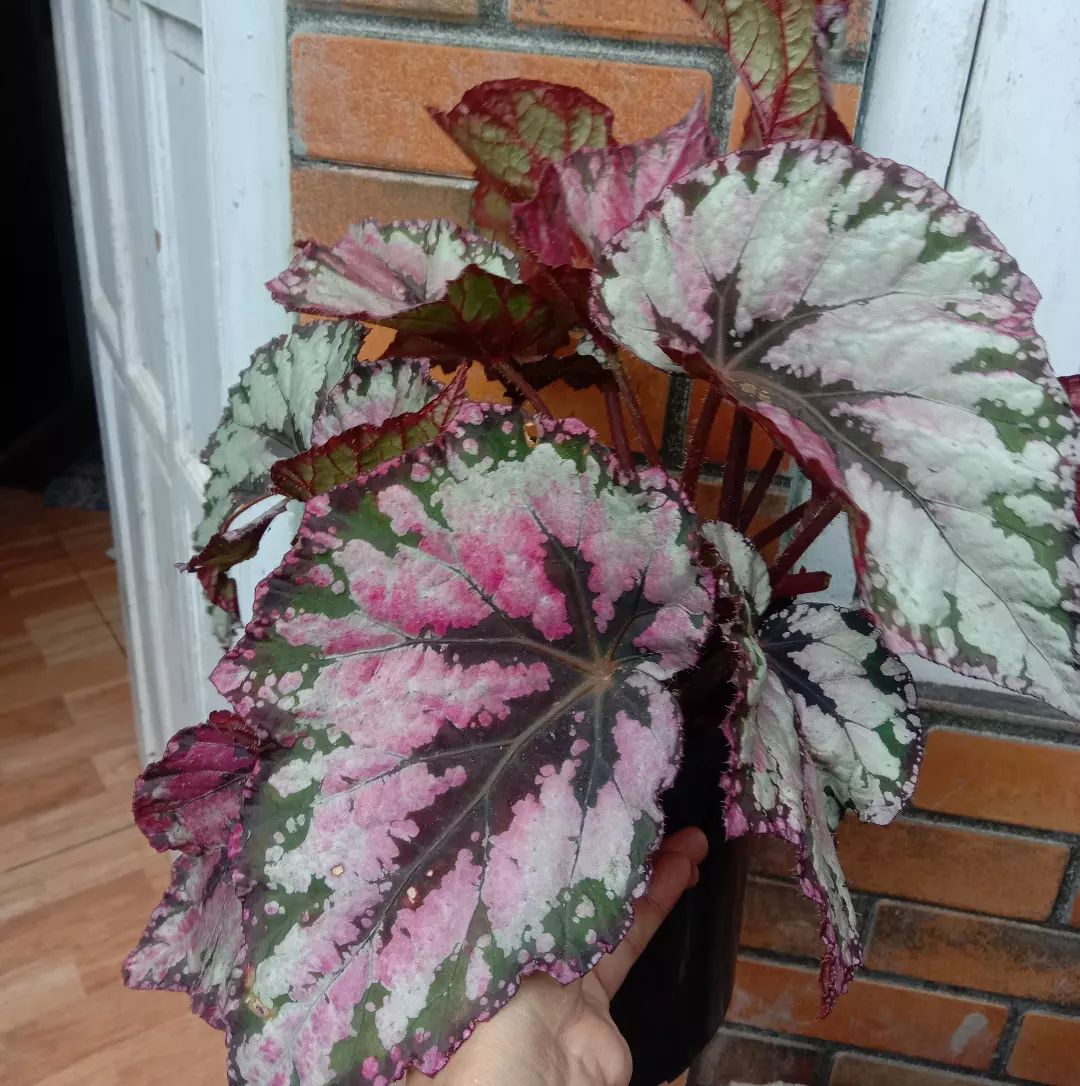
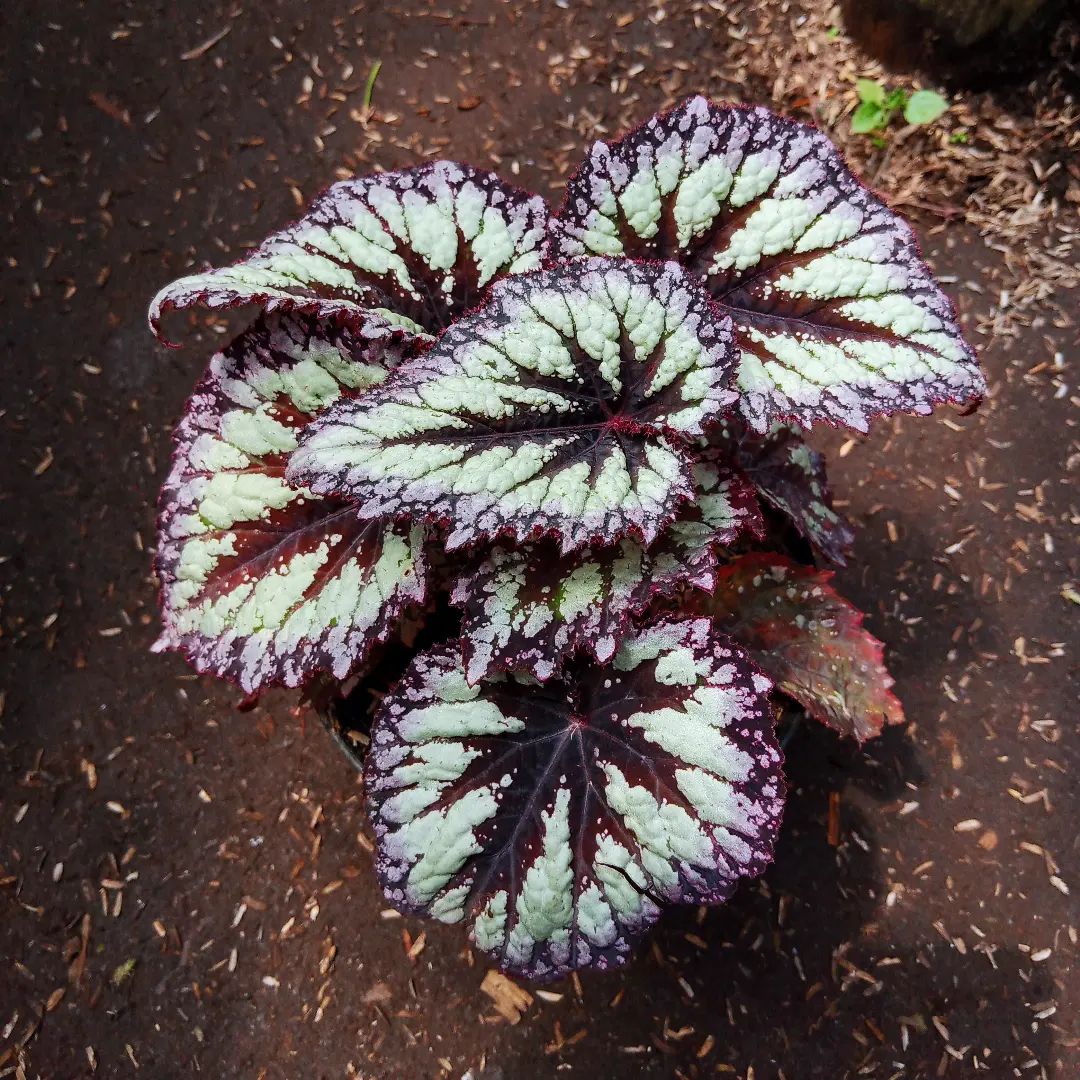
Begonia rex is characterized by mottled leaves, red and burgundy in color, with streaks of silver or purple. The leaves of the plant are small, about 6 inches long. Painted leaf begonia is suitable for home growing and for growing outdoors. It grows fairly quickly, up to 12 inches per year.
You can also read about other types of begonia: Polka Dot begonia and Angel’s Wing begonia.
Care of begonia rex plants
Begonia rex plant belongs to the tropical species, so it needs a simple but proper care. If everything is done correctly, the begonia will be able to please you with beautiful variegated leaves for a long time. For beginner gardeners, it is better to start growing begonia rex at home. Because growing begonia in the open ground is a difficult task, inaccessible to beginners.
Temperature for begonia rex
Begonia rex prefers warm temperatures, about 60-75 degrees Fahrenheit during the day and 55-65 degrees at night. The plant grows slowly if it is too cold, so try to move it away from drafts or doors. It cannot tolerate frost or cold drafts, and even a slight cold snap can kill this tropical plant, always keep that in mind. It will be easy to get the right temperature in the house, for which special heaters for plants will be suitable. This method is necessary for regions that are too cold, but in warmer regions you can easily do without it.
Lighting for begonia rex
The indoor begonia does not need direct sunlight. Shade-loving plants are also suitable for growing in a room with diffused light, but it is better to light them from the south and east sides of the windows. The leaves immediately turn pale and lose their decorativeness if they grow near windows with draughts or near radiators. Therefore, it is very important to consider this fact before placing the plant on the window.

Painted leaf begonia does not grow too fast, so it can do with less light compared to other types of plants. In addition, Begonia rex will also be well suited to fluorescent lighting. In some cases, it is much more convenient and advantageous, especially if there is no possibility to place the flower in a good place.
Soil for begonia rex
Begonia rex is a plant that likes to grow in soil. It needs high humidity to thrive. The soil should be moist, but not damp or too dry. Any soil can be used to grow begonia rex as long as it is well-drained, airy and light. You can buy ready-made soil for begonia rex and a special pot with drainage holes at a gardening store.
Watering begonia rex
It is very important to keep the plants at their best, because begonias need a well-drained soil mixture, and they should be watered when the top inch of soil becomes dry. Deep watering will promote root growth.
The plant does not tolerate overwatering, because this can lead to root rot!
The best rule of thumb for watering begonia rex is to check the moisture of the soil to a depth of 2.5 cm or 1 inch. If the top at this depth is dry, it is time to water.
Humidity for begonia rex

Painted leaf begonia requires an air humidity of about 45-55% to thrive. You can achieve this by using a humidifier or by placing the plant on a saucer with pebbles and water. Make sure the pot is not standing in water, as this can cause root rot. Another way to increase humidity is to water the plants, but watering with a mist. You can purchase a regular sprayer to help spray the leaves of the plant with clean water. Spray the plant evenly or else it will be susceptible to the powdery mildew disease.
Fertilizer for begonia rex
A weak liquid fertilizer can be used every two weeks. Mix it with the water you use to mist the leaves. Alternatively, you can feed your begonia rex once a month using a slow-release fertilizer pellets that are available from garden centers.
Propagation of begonia rex
Begonia rex can be propagated by stem cuttings in late spring or early summer. Cut off a healthy stem that has at least two leaves and remove the lower leaves. Dip the end of the cuttings in rooting hormone powder and place them in a moist soil mixture. Cover the container with plastic wrap to create a greenhouse effect.
Another method involves propagation by making incisions in the veins of the leaves, which should be attached to the bedding. But this option is more complicated than the first one, so it is better to use it.
Repotting begonia rex
Repotting is necessary when the plant becomes crowded with roots. When this happens, the roots begin to grow in a circle around the soil in the pot. If the plant is not transplanted, its growth will slow down and it may not bloom. To transplant a begonia rex, first remove it from its current pot. Loosen the soil, separate the rhizomes, and then transplant into fresh soil with a larger pot diameter.
After transplanting, it is important not to flood the plant with water, but only to keep the soil slightly moist and warm.
Pests and diseases of begonia rex
The most common pest of begonias is the spider mite. These tiny eight-legged creatures like to feed on the moisture in plants and can quickly cause damage. To get rid of them, wash the plant regularly with water or spray it with a natural insecticide made from crushed garlic cloves dissolved in water. Another common pest is powdery mildew. Here it is important to make sure that all dead leaf parts are removed and that there is no debris on the soil.
