
Hello there, aspiring green thumb! So, you’ve decided to delve into the world of homegrown veggies, but you’re a little bit restricted on space? Fear not! As your friendly neighborhood gardening guru, I’m here to show you that size truly doesn’t matter (in gardening, of course)!
Choosing Your Space
You might be surprised by the potential your little nooks and crannies hold. Whether it’s a tiny balcony, a small patio, or just a sunny windowsill, your mini-garden paradise is closer than you think!
Key considerations:
- Sunlight: Plants, like sunbathers, love a good tan. Choose a spot that gets at least 6 hours of sunlight a day.
- Accessibility: Your plants will need some love and attention. Make sure you can reach them easily.
- Water source: Unless you’re planning on training a team of ants to carry droplets of water to your plants (which I don’t recommend), make sure your spot is close to a water source.
Deciding What to Grow
Extended Lineup: Every Detail You Need
Let’s delve even further into the details of our all-star lineup. Knowing each plant’s specific needs will help you become the ultimate plant parent.
- Salad Leaves (Lettuce, Spinach, Arugula)
- How to Grow: Plant directly in the soil or container about 1/2 inch deep.
- When to Plant: Early spring or fall. Can be grown in winter with protection in milder climates.
- When to Harvest: As soon as leaves reach desired size. Typically, 4-6 weeks after planting.
- Watering: Keep soil evenly moist but not soggy.
- Cherry Tomatoes
- How to Grow: Plant in a sunny location in a pot at least 12 inches in diameter. Use a stake or trellis for support.
- When to Plant: After all danger of frost has passed.
- When to Harvest: When fruits are fully colored and slightly soft to the touch.
- Watering: Regular, deep watering. Avoid wetting leaves to prevent disease.
- Radishes
- How to Grow: Plant seeds 1/2 inch deep directly into the soil.
- When to Plant: Early spring to late summer.
- When to Harvest: As soon as roots reach edible size, typically 3-4 weeks after planting.
- Watering: Keep soil evenly moist for best growth and flavor.
- Herbs (Basil, Parsley, Chives)
- How to Grow: Plant seeds or transplants into pots or garden soil.
- When to Plant: After all danger of frost has passed.
- When to Harvest: As soon as the plant has enough foliage to maintain growth.
- Watering: Keep soil slightly moist. Overwatering can lead to root rot.
- Chilies and Peppers
- How to Grow: Plant in a sunny location. Use a stake or small cage for support.
- When to Plant: After the soil has warmed and there’s no danger of frost.
- When to Harvest: When peppers reach desired size and color. They can be eaten green or allowed to color.
- Watering: Water deeply but less frequently.
- Spring Onions/Scallions
- How to Grow: Plant seeds 1/4 inch deep directly into the soil.
- When to Plant: Early spring or fall.
- When to Harvest: When stems are about 6-8 inches tall and still tender.
- Watering: Keep soil evenly moist.
- Baby Carrots
- How to Grow: Plant seeds 1/4 inch deep directly into loose, well-drained soil.
- When to Plant: Late spring to early summer.
- When to Harvest: When carrots are about 3 inches long, typically 50-60 days after planting.
- Watering: Regularly to keep soil moist.
- Dwarf French Beans
- How to Grow: Plant seeds 1 inch deep directly into the soil. Provide a support structure.
- When to Plant: After all danger of frost has passed.
- When to Harvest: When pods are young, tender, and full-sized, typically 60-70 days after planting.
- Watering: Keep soil evenly moist but not waterlogged.
- Beetroot
- How to Grow: Plant seeds 1 inch deep directly into the soil.
- When to Plant: Spring to late summer.
- When to Harvest: When roots are approximately 1-3 inches in diameter.
- Watering: Regularly to keep soil moist.
- Cucumbers
- How to Grow: Plant in a large pot with a trellis for support.
- When to Plant: After all danger of frost has passed.
- When to Harvest: When cucumbers are firm, bright in color and the desired size.
- Watering: Water deeply and regularly, especially during fruit set and growth.
Space-Saving Techniques
Miniaturizing Your Garden – Detailed Guide
Don’t let space limit your garden’s potential. Let’s deep-dive into some effective techniques that will turn your small space into a veritable Eden.
1. Vertical Gardening
Think up rather than out. Use walls, fences, and even freestanding structures to let your plants reach for the sky.
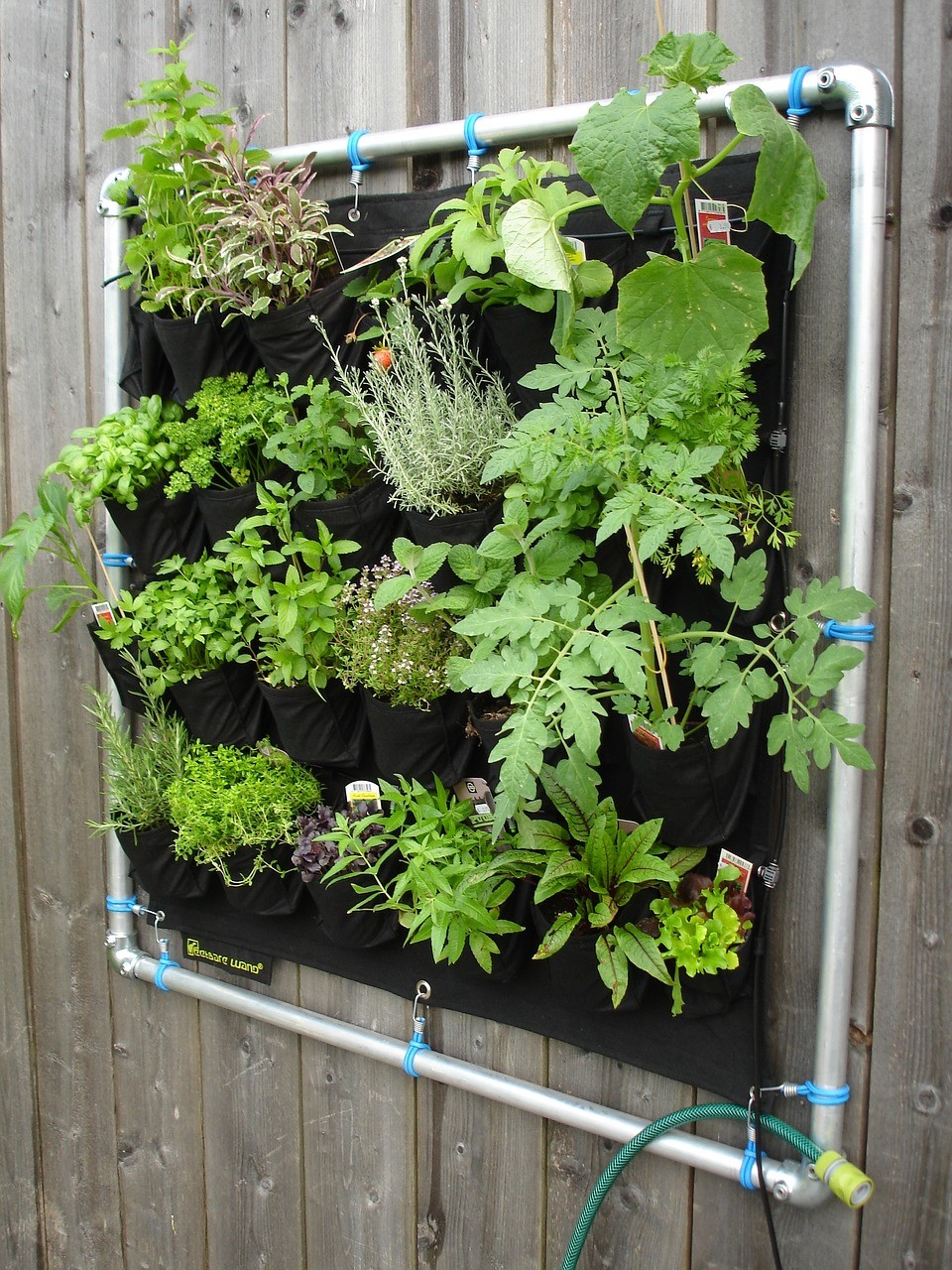
Step-by-step guide:
- Choose your structure. It could be a wall-mounted planter, a hanging basket, or a trellis.
- Install the structure securely in a place that gets at least 6 hours of sunlight.
- Fill it with good quality, well-draining soil.
- Plant your vegetables, making sure to give them enough space to grow upwards.
- Train your plants to climb the structure as they grow.
Suitable for: Cherry Tomatoes, Chilies and Peppers, Dwarf French Beans, Cucumbers
2. Container Gardening
This method allows you to grow your veggies in pots and containers. A great benefit of this technique is that you can move the containers as needed for light and weather conditions.
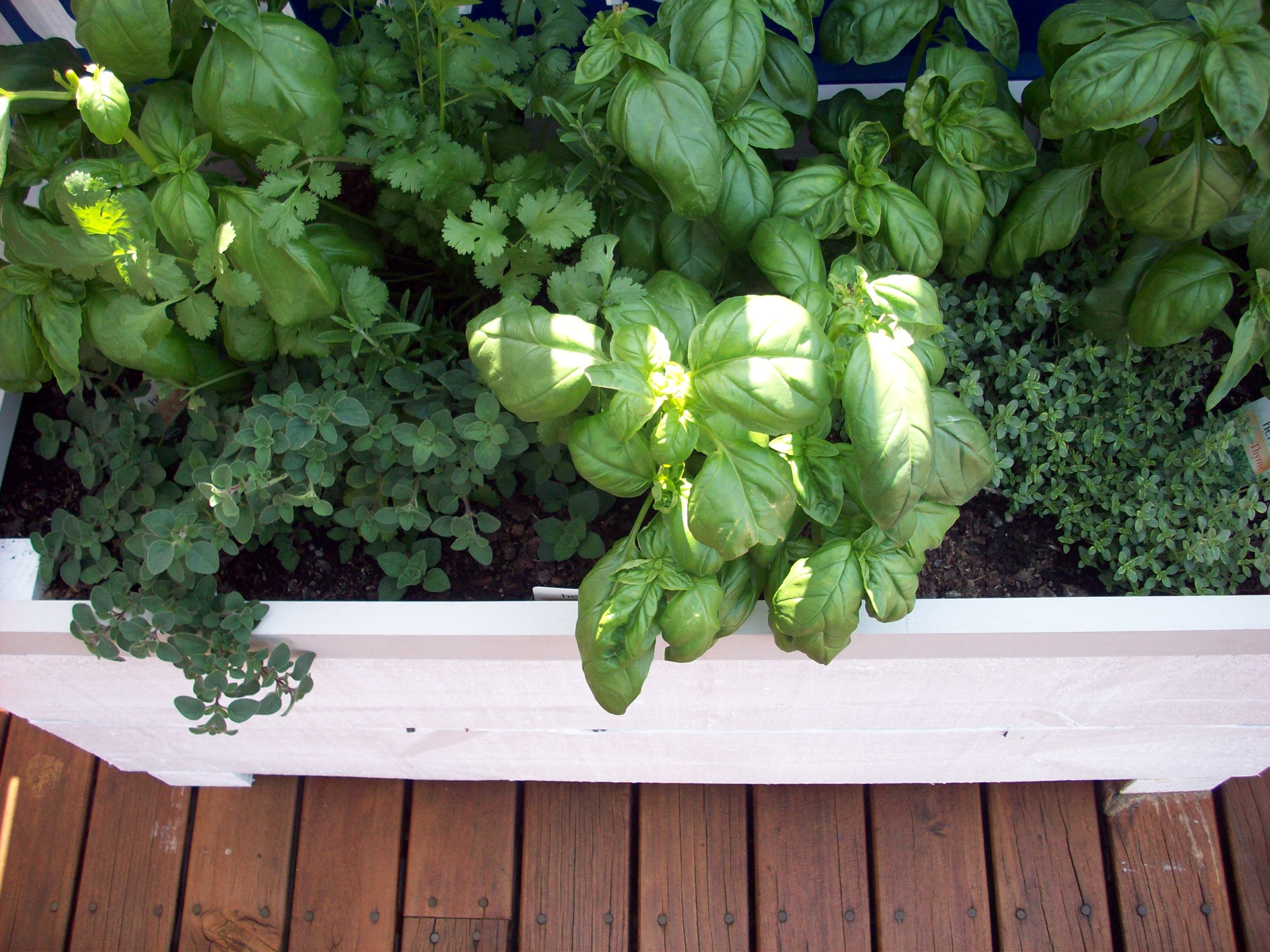
Step-by-step guide:
- Select a container with drainage holes to prevent waterlogging.
- Fill the container with a good quality potting mix.
- Plant your vegetables at the appropriate depth, following seed packet instructions.
- Place the container in a sunny spot.
- Remember to water regularly, as containers can dry out faster than garden soil.
Suitable for: Salad Leaves, Herbs, Baby Carrots, Beetroot, Spring Onions/Scallions
3. Square Foot Gardening
A highly efficient method, square foot gardening is all about making the most of a small space.

Step-by-step guide:
- Start by building or buying a raised bed. Size will depend on your available space, but a 4×4 foot square is a good start.
- Divide the bed into 1-foot square sections.
- Fill the bed with a mix of compost, coarse vermiculite, and peat moss for a rich, well-draining soil.
- Plant different vegetables in each square, following recommendations for plant density per square foot.
- Water, feed, and harvest your garden regularly to promote healthy growth.
Suitable for: Salad Leaves, Radishes, Herbs, Cherry Tomatoes, Dwarf French Beans
4. Succession Planting
This method involves growing one crop and then replacing it with another, effectively doubling the yield from your plot over a season.
Step-by-step guide:
- Start by planting fast-maturing crops like radishes or lettuce.
- Once you’ve harvested the first crop, replenish the soil with compost.
- Plant the next crop, which could be a slower-growing vegetable or a crop that thrives in a different season.
- Repeat the process, keeping the cycle going for continuous harvest.
Suitable for: Salad Leaves, Radishes, Herbs, Spring Onions/Scallions, Beetroot
5. Interplanting
Here, you plant quick-growing crops between rows of slower-growing vegetables. By the time the slower vegetables need the space, the quick growers have already been harvested.
Step-by-step guide:
- Start by planting your main crop, like tomatoes or beans.
- In the space between the main crop, plant quick growers like radishes or salad leaves.
- Harvest the quick growers when they’re ready, opening up the space for your main crop.
- Repeat with a new set of quick-growing crops.
Suitable for: All vegetable types, especially a mix of slow and quick growers.
The Care and Keeping of Your Small-Space Garden
Every great garden, regardless of size, is rooted in proper care and maintenance. After choosing your plants and deciding on your space-saving technique, the journey to a flourishing garden is far from over. Here’s a handy guide for keeping your mini-garden at its best.
Soil Preparation: Your Garden’s Foundation
Before sowing the first seed, take time to prep your soil. A good starting point is loose, well-drained soil enriched with organic matter. If you’re growing in containers, a quality potting mix is your go-to. For raised beds or in-ground gardens, try tilling the soil and incorporating compost for improved fertility and structure.
Soil Types and pH: The Balancing Act
Understanding your soil type and pH is crucial to plant health. Most veggies flourish in loamy soil with a pH between 6.0 and 7.0. Use a soil testing kit to uncover these details about your garden. If your pH is off-kilter, lime can raise a low pH, while sulfur lowers a high one.
Composting and Fertilizing: Food for Your Plants
Composting is the ultimate recycling project, turning kitchen scraps and yard waste into nutrient-dense plant food. Alternatively, slow-release organic fertilizers are readily available and simple to apply.
Garden Maintenance: The Daily Grind
Routine care keeps your garden in top shape. Be vigilant about weeding, as these invaders steal valuable resources. Aim for consistently moist soil when watering, avoiding waterlogged conditions. Also, remember crop rotation in your planting strategy to prevent soil nutrient depletion and disease.
Pest Control and Disease Management: Guarding the Green
Prevention wins the game in pest and disease control. Plants that receive proper care are better equipped to ward off these problems. If pests do strike, try organic methods such as insecticidal soap or introducing beneficial insects. Remove any disease-stricken plants promptly to prevent spreading.
Pruning and Harvesting: The Final Frontier
Pruning promotes better yield and plant health. Remove wilted or yellowing leaves, and encourage lush growth in herbs by pinching off their tips. Harvest gently to avoid harming your plants, and aim for morning harvests, when your vegetables are at their peak freshness.
Tending to a garden is a blend of science and art. These tips offer a framework, but don’t hesitate to test out different strategies to discover what suits you and your mini-garden best. Every step, even the missteps, is part of the adventure. Happy gardening!
FAQs
Q: Can I grow vegetables year-round in my small space garden?
A: Yes, you can extend your growing season by choosing plants suitable for each season. Cold-tolerant greens for winter, heat-loving tomatoes for summer, and so on. Indoor gardening can be year-round if you provide the right conditions.
Q: Is it possible to grow root vegetables in containers?
A: Yes! You can grow root vegetables in containers. Just make sure the container is deep enough for the specific vegetable. Baby carrots or beetroot are great for container gardening.
Q: What’s the fastest growing vegetable I can plant?
A: Radishes and salad leaves are some of the fastest-growing vegetables. You can expect to harvest radishes as soon as three weeks after planting, and salad leaves in about four weeks.
Q: How can I prevent pests in my small garden?
A: The best defense is a healthy plant. Regular care, proper watering, and good nutrition are key. You can also introduce beneficial insects or use organic, plant-friendly insecticides if needed.
Q: Can I start my vegetables from seeds or should I buy transplants?
A: Both options work well, depending on the plant and the season. Some vegetables, like salad greens and radishes, are easy to start from seeds. Others, like tomatoes and peppers, are typically easier to start from transplants.
