
The Pink Princess Philodendron is one of the most coveted houseplants for its striking variegation of deep green and bright pink leaves. If you’re lucky enough to have one, you may want to propagate it through cuttings to share or grow your collection. In this article, I’ll walk you through the steps to take a Pink Princess Philodendron cutting and ensure it thrives.
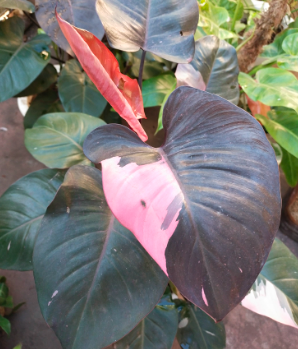
What is a Pink Princess Philodendron Cutting?
A Pink Princess Philodendron cutting is a portion of the plant that you remove to grow a new plant. This method of propagation allows the plant to be cloned, keeping the gorgeous pink and green variegation intact.
Why Propagate from Cuttings?
Propagating from cuttings is not only a great way to expand your plant collection, but it can also help the parent plant by encouraging new growth. In my experience, propagation has been a wonderful way to reinvigorate a plant, especially when it starts to look leggy or sparse.
Best Time to Take a Pink Princess Philodendron Cutting
Timing is essential when propagating houseplants.
- Season: The ideal time to take a cutting is during the growing season, which typically occurs in spring or early summer. The warmer temperatures and increased sunlight help stimulate new growth.
- Health of the Plant: Make sure the plant is healthy before taking a cutting. Avoid propagating if the plant is stressed, diseased, or pest-ridden.
Author’s Tip: I’ve found that my Pink Princess Philodendron responds best to propagation when it’s been actively growing for a few weeks. Look for signs like new leaves and healthy root development before you snip.
Steps to Take a Pink Princess Philodendron Cutting
Prepare Your Tools
Before taking a cutting, ensure that your tools are clean and sharp. Dull or dirty blades can introduce disease to both the cutting and the parent plant.
- Tools: Use sterilized pruning shears or a sharp knife. I like to wipe mine down with rubbing alcohol before use.
- Materials: You’ll need a clean container filled with water or moist soil to place the cutting in.
Choose the Right Spot for the Cutting
When selecting the part of the plant to cut, look for a section that includes a node, which is the small bump where the leaves meet the stem. Nodes are crucial because they are where the new roots will form.
Author’s Experience: I’ve had better success with cuttings that include at least one leaf and one node. The more nodes you include, the faster the new roots seem to develop.
Make the Cut
Make a clean cut about half an inch below the node. Try to cut at an angle, which increases the surface area for root growth and prevents water from pooling on a flat cut.
- Pro Tip: Take more than one cutting if your plant is large enough. Not all cuttings will successfully root, so having extras can save time and effort.
How to Root a Pink Princess Philodendron Cutting
After cutting, you have two main options for rooting: water propagation or soil propagation.
Water Propagation
This is my preferred method because it allows you to monitor root growth.
- Place the cutting in a jar of clean, room-temperature water.
- Make sure the node is submerged but the leaves are not touching the water.
- Change the water every 2-3 days to prevent bacteria buildup.
My Experience: I’ve found that placing the jar in bright, indirect sunlight works wonders. Within a few weeks, you should start seeing roots emerge.
Soil Propagation
For those who prefer soil propagation, you can plant the cutting directly into moist, well-draining soil.
- Bury the node about 1-2 inches deep.
- Keep the soil consistently moist (but not soggy).
- Place the pot in a location that gets bright, indirect light.
Author’s Tip: When propagating in soil, I like to cover the pot with a clear plastic bag to create a mini greenhouse. This increases humidity, which encourages faster root growth.
Caring for Your Pink Princess Philodendron Cutting
Once your cutting has developed roots, it’s time to plant it in soil if you started in water. Here’s how to care for it after planting.
Potting
Use a pot with drainage holes to prevent root rot. The best soil for a Pink Princess Philodendron is a light, well-draining mix. I typically use a combination of potting soil, perlite, and orchid bark to give the roots plenty of air.
Watering
Water the cutting thoroughly after potting it, but be sure not to overwater. Keep the soil evenly moist during the first few weeks to help the roots establish.
Pro Tip: I check the moisture level by sticking my finger about an inch into the soil. If it feels dry, it’s time to water.
Light
Place the plant in a spot with bright, indirect sunlight. Too much direct sun can scorch the delicate pink leaves, while too little light can reduce the vibrant pink coloration.
Troubleshooting Common Issues with Pink Princess Cuttings
Even with the best care, things don’t always go as planned. Here are a few common problems and how to fix them:
- Yellowing Leaves: If your cutting’s leaves start to yellow, it might be due to overwatering or insufficient light. Adjust your watering schedule or move the plant to a brighter spot.
- No Root Growth: Some cuttings take longer to root. If you haven’t seen roots after a few weeks, ensure the node is submerged (in water) or adequately buried (in soil), and be patient.
Personal Note: There was a time when I thought one of my cuttings had failed, but after waiting another two weeks, I saw tiny roots starting to form. Patience is key!
Conclusion
Taking a Pink Princess Philodendron cutting and propagating it is a rewarding process, especially when you see those first roots develop. Whether you use water or soil propagation, following the steps above will help you grow a healthy new plant. From my experience, patience and care are your best friends when it comes to propagation.
Remember, don’t be afraid to experiment and see what works best for you and your plant. Happy propagating!
