
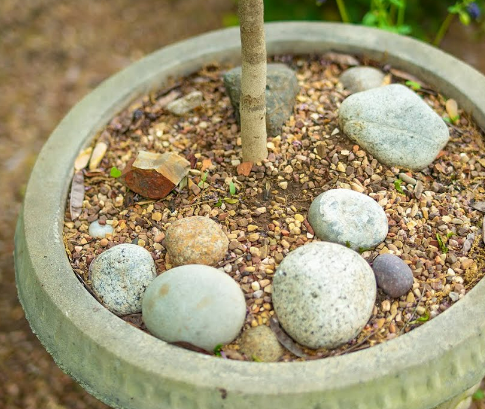
Potted plants are a great way to bring greenery indoors or to small outdoor spaces, but have you ever considered adding rocks on top of the soil? This gardening trend has been gaining popularity for its visual appeal and potential benefits. However, there are also drawbacks to consider. In this article, we’ll dive deep into the pros and cons of putting rocks on top of potted plants, with some tips from my personal gardening experience.
Why Put Rocks on Top of Potted Plants?
Aesthetic Appeal
One of the primary reasons gardeners place rocks on top of potted plants is the visual effect. Rocks come in various sizes, shapes, and colors, allowing you to create a polished, modern look that complements your plant’s aesthetic.
- Adds texture and color: Decorative stones can break up the monotony of soil and enhance the appearance of your indoor or outdoor space.
- Customizable: From smooth river rocks to colorful pebbles, you can tailor the look to match your home decor.
From my own experience, I found that using light-colored stones brightened up my indoor potted plants, especially in low-light areas. It added a stylish touch that made the plants pop without overwhelming the overall look.
Moisture Retention
Another benefit is that rocks can help trap moisture in the soil. They act as a barrier, reducing evaporation and keeping the plant’s root zone hydrated for longer periods. This is particularly useful if you’re the type of gardener who forgets to water regularly.
“Rocks can act as a natural mulch, keeping soil moist and cutting down on the frequency of watering.”
However, this can also be a double-edged sword. Over-retention of moisture can lead to root rot in some plants, so it’s essential to consider the plant’s water needs.
Downsides of Adding Rocks
Drainage Issues
While rocks can help retain moisture, they can also create drainage problems if not used correctly. If the rocks are packed too tightly or placed in large amounts, they can block the proper flow of water. This can cause water to pool on top, potentially leading to root damage or mold growth.
- Water buildup: Rocks might restrict the free flow of water, which could drown your plants.
- Mold risk: If water is trapped between rocks and soil, it can encourage mold or mildew growth, harming your plant’s health.
In my own experience, I had an issue with a potted succulent. I placed too many rocks on top, which caused water to sit longer than usual. The result? Yellowing leaves and mushy stems from root rot. I learned the hard way that balance is key.
Pest Problems
While rocks can make your pots look tidy, they might also create a hiding spot for pests. Insects like ants, mealybugs, and fungus gnats love to nest under rocks, where it’s moist and protected from sunlight.
“Always check under your rocks regularly to ensure no unwanted pests are making themselves at home.”
If you do notice pest problems, consider using natural remedies like neem oil or diatomaceous earth to eliminate them.
Best Practices for Adding Rocks to Potted Plants
Choose the Right Size and Type of Rocks
The size and type of rocks you use can make a big difference in the outcome. Small pebbles work best for smaller pots, while larger rocks may be more suited for outdoor containers or larger plants.
- Use natural, porous stones: Porous stones like lava rock allow water to flow through more easily than dense stones like river rocks.
- Avoid compacting the rocks: Make sure the rocks are loosely arranged to allow for proper airflow and drainage.
Personally, I prefer using lightweight lava rocks because they are easy to handle and less likely to cause drainage issues. They also add a rugged, natural look to my potted plants.
Monitor Watering Needs
It’s important to monitor how adding rocks affects your plant’s watering schedule. The additional barrier can cause soil to stay moist longer, so you may need to water less frequently.
“After adding rocks, I noticed my plants needed less water, especially my succulents. I started checking the soil with my finger to ensure it wasn’t staying too wet.”
If the soil feels damp just below the surface, hold off on watering for a day or two to prevent overwatering.
Consider Plant Type
Not all plants will benefit from having rocks on top of their soil. Plants that prefer dry, well-drained soil, such as succulents and cacti, are more likely to thrive with a rock covering. On the other hand, plants that like a lot of moisture, like ferns, may suffer from trapped humidity and excess moisture.
Alternatives to Rocks for Potted Plants
If you’re hesitant about using rocks but still want the benefits, there are alternatives that can provide similar effects.
Bark or Wood Chips
For a more natural look, bark or wood chips can be a great alternative. They offer similar moisture retention benefits but are more porous, allowing better airflow and drainage.
Moss or Coconut Fiber
These natural materials are also great options for retaining moisture while offering a softer, more organic appearance. Plus, they help keep pests at bay and provide extra nutrients as they break down over time.
In my garden, I often use coconut fiber on top of my potted ferns. It retains moisture without causing mold, and it also gives the plant a neat, earthy look.
Conclusion: Is Putting Rocks on Top of Potted Plants Right for You?
Adding rocks to the top of potted plants can be an aesthetically pleasing and functional choice, but it’s not without its risks. The key is to use them thoughtfully—choosing the right type of rock, ensuring proper drainage, and adjusting your watering habits. By doing so, you can enjoy the benefits without harming your plants.
As an enthusiastic gardener, I recommend starting with small pots and experimenting with different rock types to see how your plants respond. With a bit of care and observation, you can enhance both the health and beauty of your potted plants.
“Gardening is all about trial and error. Don’t be afraid to experiment and see what works best for you and your plants!”
