
Mushrooms popping up in your lawn can be a real eyesore. While they may not be harmful to your grass, they can detract from the appearance of a pristine yard. If you’re looking for an easy, eco-friendly solution to eliminate mushrooms, baking soda might just be the answer. As an avid gardener, I’ve personally used this method to rid my lawn of unwanted fungi, and I’m here to share how it works and why it’s an effective option.
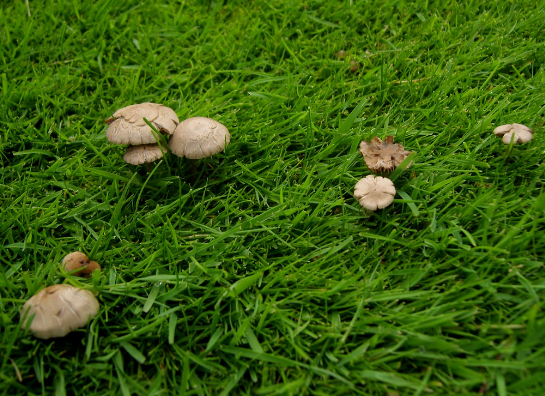
Why Mushrooms Appear in Your Lawn
Mushrooms thrive in moist, organic-rich environments. They often sprout after rain or when there’s excessive moisture, breaking down dead organic matter in the soil. While mushrooms can be a sign of healthy soil, they aren’t always welcome in a well-kept lawn.
Conditions That Encourage Mushroom Growth
- Overwatering or heavy rain
- Poor drainage
- Decaying plant matter (like leaves or grass clippings)
- Shady areas with low sunlight
How Baking Soda Works to Kill Mushrooms
Baking soda (sodium bicarbonate) is a natural alkaline substance. Mushrooms, on the other hand, prefer acidic environments. By applying baking soda to your lawn, you can raise the pH level of the soil, making it less hospitable for fungi. This method won’t harm your grass, making it a safe solution for your yard.
Why Baking Soda is Effective
- Raises soil pH, which mushrooms dislike
- Non-toxic and safe for pets, kids, and plants
- Easy to use and affordable
Step-by-Step Guide to Killing Mushrooms with Baking Soda
Now that you know why baking soda works, here’s a simple guide to help you apply it effectively.
Prepare the Baking Soda Solution
You’ll need:
- 1 gallon of water
- 2 tablespoons of baking soda
- Mix 2 tablespoons of baking soda into 1 gallon of water. Stir the mixture until the baking soda is fully dissolved.
- Pour the solution into a spray bottle or watering can for easy application.
Apply to Affected Areas
- Spray or Pour: Apply the baking soda solution directly onto the mushrooms and the surrounding soil.
- Focus on Shaded Areas: Pay extra attention to damp or shaded areas where mushrooms are most likely to appear.
- Reapply: Repeat the process daily until the mushrooms are gone.
Preventing Mushroom Regrowth
While baking soda is great for spot treatment, you’ll need to address the underlying issues to prevent mushrooms from returning. Here are some of my favorite tips based on years of gardening experience:
Reduce Excess Moisture
- Water your lawn early in the day to allow it to dry out by evening.
- Ensure your lawn has good drainage to prevent water from pooling in certain areas.
Remove Decaying Organic Matter
- Rake up fallen leaves, grass clippings, and other organic debris that can decay and attract mushrooms.
- Aerate your soil regularly to encourage air circulation and reduce compaction.
Increase Sunlight Exposure
- Trim back overhanging tree branches or bushes that cast too much shade over your lawn.
- If you have heavily shaded areas, consider planting shade-tolerant ground covers instead of grass.
My Personal Experience Using Baking Soda for Mushrooms
When I first noticed mushrooms popping up in my lawn, I tried several methods before stumbling upon baking soda. I didn’t want to use harsh chemicals, so I opted for this natural remedy. After a few applications, I noticed the mushrooms shriveling and disappearing. Since then, I’ve kept a close eye on the moisture levels in my yard and made sure to remove debris regularly.
In my experience, baking soda is a fantastic and affordable way to deal with mushrooms, especially if you’re concerned about maintaining a natural, eco-friendly garden. It’s easy to apply and gives noticeable results within days.
Alternative Natural Solutions for Mushroom Control
While baking soda is my go-to, here are a few other natural options that you might consider:
Vinegar
Vinegar is another household staple that can be used to kill mushrooms. Like baking soda, vinegar alters the soil pH, but it’s much more acidic. Be cautious when using vinegar, as it can also kill surrounding plants.
Dish Soap
A mixture of dish soap and water can suffocate mushrooms. Simply mix a few drops of dish soap with water and apply it directly to the mushrooms. It’s a quick fix but may require multiple applications.
Cornmeal
Sprinkling cornmeal on mushrooms is thought to disrupt their life cycle. While it’s a less common method, some gardeners swear by it.
Final Thoughts on Using Baking Soda to Kill Mushrooms
Baking soda is a simple, effective, and eco-friendly solution for eliminating mushrooms from your lawn. By raising the soil’s pH, it creates an environment where mushrooms struggle to grow. However, the key to long-term success lies in preventing the conditions that promote their growth, like excess moisture and organic debris.
If you’re looking for a safe, chemical-free way to tackle mushroom problems, give baking soda a try. And remember, consistent lawn care practices—such as proper watering, aeration, and debris removal—are essential for maintaining a healthy, mushroom-free lawn.
As a gardener who has faced and conquered this issue, I highly recommend giving baking soda a shot. It’s always satisfying to find a natural solution that works without compromising the health of your lawn or the environment!
