
White insects in the soil may mean that pests or, conversely, beneficial insects have settled in your lawn or garden. In addition, people often confuse insects with white slug eggs or mold spores, so it is important to look closely at who or what lives in your soil.
Springtails

They are tiny, white, six-legged insects that can sometimes be found in the soil. They are mostly harmless and even beneficial to the garden ecosystem because they break down organic matter into plant nutrients. However, if there are too many spring tails, they can indicate that the soil is too wet or has been wet for too long. Such insects have a split tail, which will immediately let you know that you are facing Springtails. These insects are capable of jumping very high, which is amazing. Sometimes there are yellow and gray specimens, but they are mostly white.
Springtails feed on mold spores and dead plant cells in the soil, so they are not harmful. Springtails are found in open soil and can get into a pot of houseplant soil. In the latter case, it is best to change the soil to get rid of the insects.
Whitefly
Whiteflies are small, winged insects that are typically white in color. They belong to the Hemiptera order of insects, which also includes aphids and scale insects. They are known to feed on the sap of plants, and can cause damage to crops and ornamental plants. Whiteflies can also spread plant viruses, making them a major pest of agriculture. They are commonly controlled through the use of insecticides, but can also be controlled through the use of natural predators or by removing infested plants.
Whiteflies can be difficult to control in soil, but some methods that can help include:
- Using sticky yellow traps to capture adult whiteflies.
- Introducing beneficial insects like ladybugs, lacewings, or parasitic wasps, which feed on whitefly larvae.
- Using insecticidal soap or neem oil spray to kill whiteflies on contact.
- Keep your soil healthy, which will help your plants resist pests.
- Keep your soil dry and well-draining. Whiteflies thrive in moist soil, so keeping your soil dry will make it less hospitable to them.
- Use a soil drench with insecticide.
It’s important to note that it may take several weeks for these methods to show results, and it may be necessary to repeat the treatments multiple times before the whiteflies are completely eliminated. Also, it’s important to follow the instructions for any pesticides or other chemicals you use, and to take care to protect yourself and the environment when applying them.
Mealybugs

Mealybugs are small, soft-bodied insects that belong to the family Pseudococcidae. They are typically about 3 millimeters in length and have a distinctive, powdery white coating that gives them a “mealy” appearance. They are common pests of indoor and outdoor plants, and they can cause significant damage to crops if left unchecked.
Mealybugs feed on the sap of plants, which can cause the leaves to turn yellow and wilt, and can lead to a general weakening of the plant. They also excrete a sticky, sugary substance called honeydew, which can attract ants and promote the growth of sooty mold. Mealybugs are common on indoor and outdoor plants and can be found on a wide variety of plants including citrus trees, grapes, ornamentals, succulents, and houseplants. They reproduce quickly, and a small infestation can quickly become a large one if left untreated.
Mealybugs can be controlled with a variety of methods, including the use of insecticidal soap, horticultural oil, neem oil, and insecticidal dust. In some cases, it may be necessary to use a combination of methods for effective control. It’s important to follow the instructions for any pesticides or other chemicals you use, and to take care to protect yourself and the environment when applying them.
Slug eggs
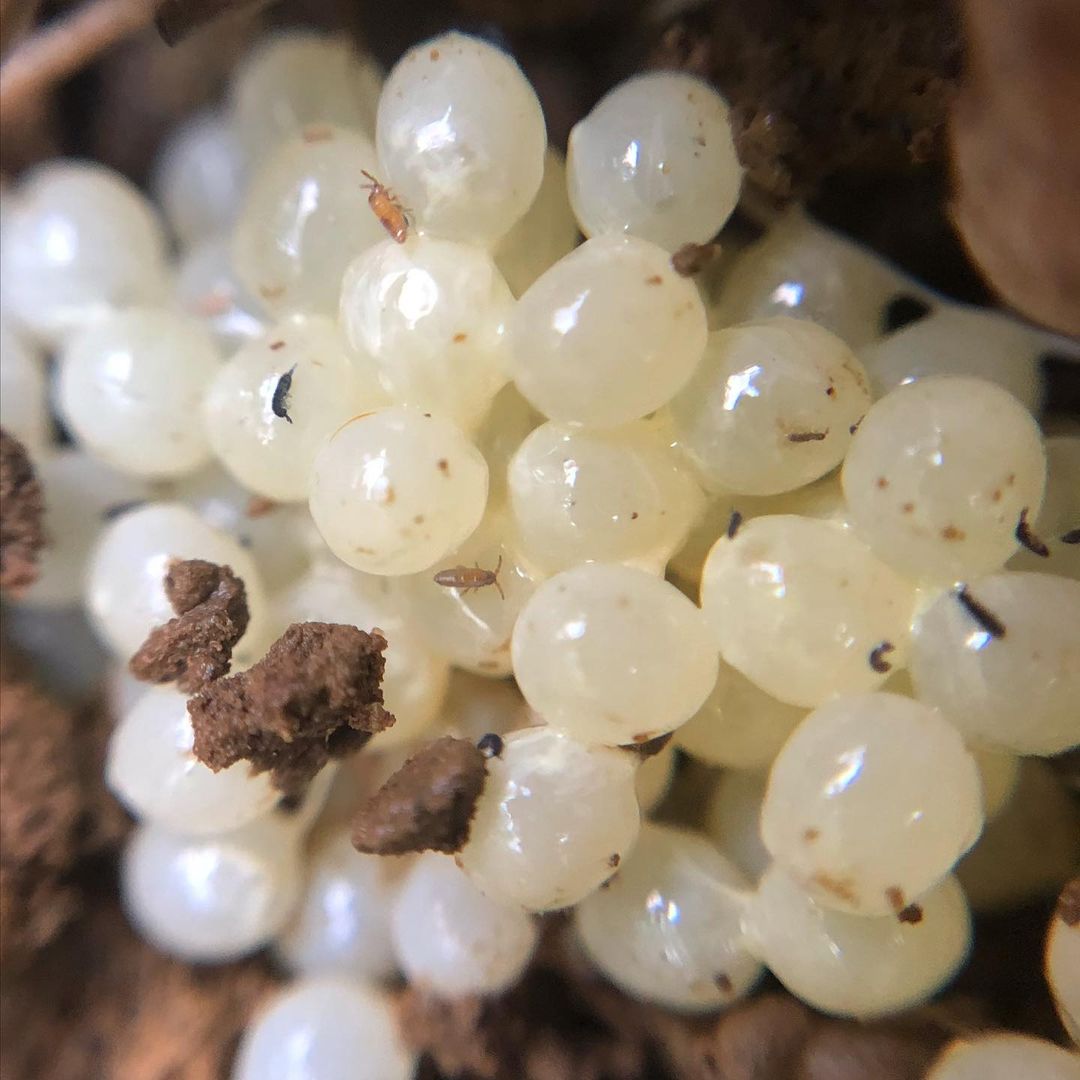
Sometimes the eggs of other small pests, can be found in the soil and are easily mistaken for white bugs. These eggs are usually oblong in shape and range in color from almost transparent to creamy white. Although slug eggs look like small white bugs, they do not move when disturbed and remain motionless until adult slugs or snails hatch from them.
Slugs lay their eggs in clusters, usually in damp, shady areas such as under rocks, logs, or mulch. To get rid of slug eggs, you can take the following steps:
- Remove the eggs: Carefully pick up the eggs and dispose of them in a plastic bag or on a piece of paper.
- Repeat the process: Check for new eggs regularly and remove them as soon as you find them.
- Change the environment: Make the area less hospitable to slugs by removing damp and shady areas,
- Use slug bait: Use slug bait to get rid of adult slugs, which will prevent them from laying more eggs.
- Encourage natural predators: Encourage natural predators such as birds and insects which feed on slugs and slug eggs.
Soil mites
Soil mites are small, eight-legged arthropods that are closely related to spiders and ticks. They are very small, usually measuring less than 0.5 millimeters in length, and are usually not visible to the naked eye. They live in the soil and feed on organic matter, such as dead plant material, and can also feed on the roots of plants. They are most commonly found in gardens, greenhouses, and other areas where plants are grown.
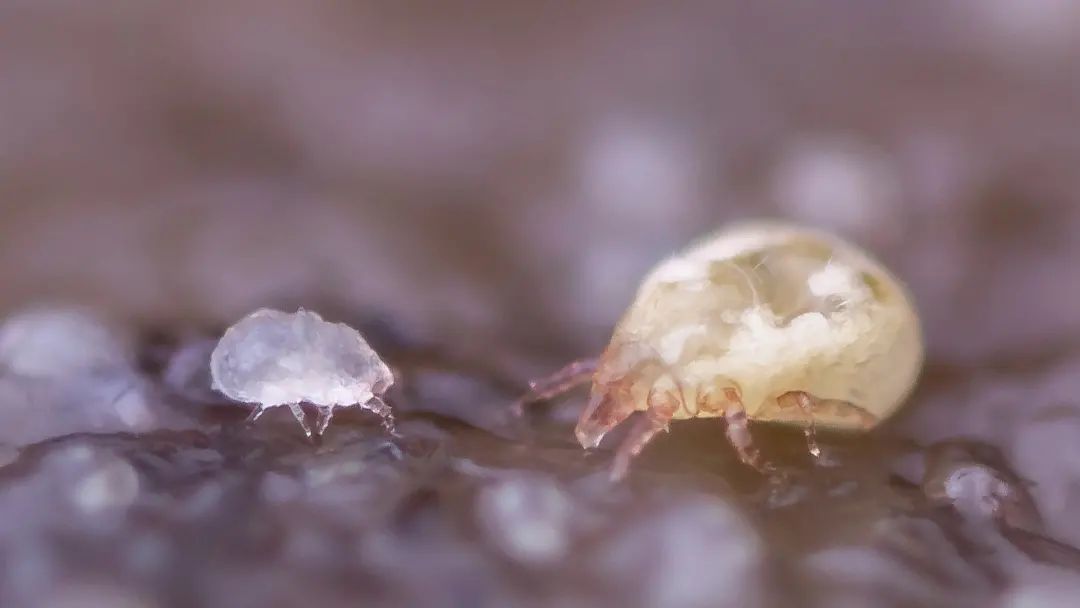
Soil mites play an important role in breaking down organic matter and improving soil fertility. They are beneficial to the soil ecosystem, as they help to decompose organic matter and make nutrients available to plants. However, in large numbers, they can become a pest and can damage the roots of plants.
If you suspect that you have a soil mite problem, you can take the following steps to control them:
- Improve soil drainage: Make sure that the soil is well-draining to reduce the amount of organic matter that is available to the mites.
- Apply beneficial nematodes: Beneficial nematodes are tiny worms that can be applied to the soil to control soil mites.
- Use pesticides: Use pesticides that are labeled for use against soil mites, such as insecticidal soap or neem oil.
- Keep the soil dry: Soil mites thrive in moist soil, so keeping the soil dry will make it less hospitable to them.
- Keep your soil healthy: Keep your soil healthy by adding organic matter and maintaining a proper pH level.
It’s important to note that it may take some time to see results, and it may be necessary to repeat the treatments multiple times before the soil mites are completely eliminated. Also, it’s important to follow the instructions for any pesticides or other chemicals you use, and to take care to protect yourself and the environment when applying them.
How do I prevent white bugs in my soil?
To prevent little white bugs in soil, you can try the following:
- Sterilize the soil before planting by baking it in the oven or microwaving it.
- Avoid over-watering the soil, as ittle white bugs thrive in moist environments.
- Keep an eye out for any signs of infestation, such as small white bugs or a sticky residue on leaves, and take action immediately if you notice any.
- Use neem oil, insecticidal soap, or horticultural oil to control and prevent mealybug infestations.
- Keep your plants healthy by providing proper light, water and nutrients, stressed plants are more susceptible to pests.
- Avoid introducing new plants from places where you suspect they may have been infested.
- Keep your gardening tools and hands clean, ittle white bugs can be easily spread by contact.
- It’s important to note that these methods may not provide a 100% guarantee, but can greatly reduce the chances of an infestation. Keep monitoring your plants and take action if you notice any signs of infestation.
Are little white bugs in soil harmful to humans?

It depends on the type of bug. Some bugs found in soil can be harmful to humans if they carry diseases or if they bite or sting. However, many bugs found in soil are harmless and are actually beneficial to plants and the ecosystem. Without more information on the specific type of bug you are referring to, it is difficult to say whether they are harmful to humans.
Can little white bugs infest your house?
Yes, small white bugs can infest a house. Some common examples include flour beetles, sawtoothed grain beetles, and rice weevils. These insects are often attracted to stored food products and can quickly multiply if left unchecked. It’s important to regularly inspect pantry items and discard any that appear to be infested. Additionally, keeping your home clean and free of crumbs and other food debris can help prevent infestations.
What attracts little white bugs in soil?
Little white bugs in soil can be attracted to a variety of factors, including moisture, warmth, and organic matter. They may also be attracted to certain types of plants or to other insects in the area. Some common types of white bugs found in soil include springtails, fungus gnats, and root maggots. It’s best to identify the specific type of bugs before taking action to eliminate them, as the control method will vary depending on the type of insect.
Do little white bugs just go away?
It depends on the type of little white bugs and the conditions in which they are present. Some types of white bugs may go away on their own if the conditions that attracted them are no longer present. For example, if the soil is allowed to dry out, or if the temperature drops, some types of white bugs may die off.
However, in other cases, the bugs may continue to thrive and reproduce, leading to a larger infestation. In these cases, it may be necessary to take action to eliminate the bugs, such as using insecticides or modifying the conditions to make the environment less hospitable to the bugs. It’s important to identify the specific type of bugs you are dealing with and consult with experts like a local nursery or extension service to determine the best course of action.
Can a plant recover from white mites?
A plant can recover from an infestation of white mites, but the extent of the damage and the rate of recovery will depend on a variety of factors, including the severity of the infestation, the type of plant, and the overall health of the plant prior to the infestation.
If caught early, and treated promptly, a plant can recover. The treatment method will depend on the type of plant and the severity of infestation. In most cases, using an insecticide specifically made for mites will help to get rid of them. However, it’s important to be careful when using insecticides, as they can also harm the plant if not used correctly.

It’s also important to make sure the plant is getting the proper care it needs while it recovers, such as proper watering, fertilizing, and sunlight. If the plant is severely damaged, it may not recover and may need to be replaced. It is important to note that preventive measures such as keeping your plants healthy, avoiding overcrowding, and creating a dry and clean area for them can help prevent the infestation of white mites.
Is it normal to have white worms in soil?
White worms in soil can indicate the presence of certain types of beneficial insects, such as earthworms or nematodes. Earthworms, for example, are beneficial to soil health as they help to aerate and fertilize the soil by consuming organic matter and excreting nutrient-rich castings. However, it’s important to identify the specific type of worm you are dealing with, as some types of white worms can be harmful to plants and soil. For example, certain types of nematodes can feed on plant roots and cause damage to the plant. Root-knot nematodes are a common example of such worms.

If you are unsure about the type of worm you have and if it is harmful, it is best to consult with an expert like a local nursery or extension service for identification and advice. In general, having earthworms in soil is considered beneficial for soil health and plant growth, as they help to improve soil structure and fertility.
