
As an enthusiastic gardener, I’ve learned that understanding soil health is the key to a thriving garden. One of the most critical aspects of soil health is its pH level. But how do you figure out the pH of your soil? Enter the soil pH tester—an essential tool for every gardener who wants to optimize their garden’s growth potential.
What is Soil pH?
Soil pH measures the acidity or alkalinity of your soil. It’s on a scale from 0 to 14, with 7 being neutral. Anything below 7 is acidic, and anything above 7 is alkaline. Different plants have different pH preferences. For example, blueberries thrive in acidic soil, while asparagus prefers slightly alkaline conditions.
Why Should You Test Your Soil’s pH?
Testing your soil’s pH can prevent a lot of headaches down the road. If your soil is too acidic or too alkaline, your plants may struggle to absorb nutrients, even if you’re using the best fertilizers. In my own garden, I noticed my tomatoes were looking pale and sickly, despite regular feeding. A quick pH test revealed that the soil was too alkaline for them. Adjusting the pH made a world of difference!
Types of Soil pH Testers
1. Analog Soil pH Testers
Analog testers are the classic tools that many gardeners start with. They usually consist of a probe that you stick into the soil, with a dial on top that shows the pH level. These testers are affordable and easy to use but can sometimes be less accurate than digital models.
- Pros: Inexpensive, no batteries needed.
- Cons: Accuracy can vary, and they require calibration.
2. Digital Soil pH Testers
Digital pH testers are a step up in terms of precision. They work similarly to analog testers but display the pH level on a digital screen. These devices often come with additional features, such as testing soil moisture and temperature, which can be incredibly handy.
- Pros: Accurate, multi-functional, easy to read.
- Cons: More expensive, requires batteries.
3. Chemical Soil Test Kits
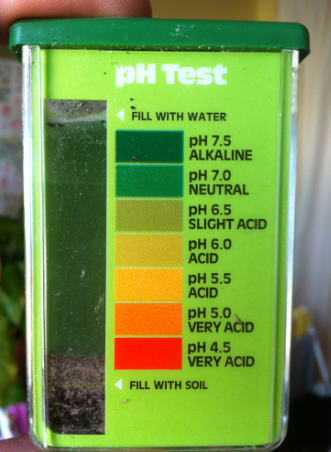
Chemical test kits involve mixing soil with water and adding a chemical indicator that changes color depending on the pH. You then compare the color to a chart to determine your soil’s pH. These kits are great for those who enjoy a hands-on approach and want to test multiple areas in their garden.
- Pros: Affordable, reliable, no batteries required.
- Cons: Time-consuming, less convenient than digital options.
4. Professional Lab Testing
For the most accurate results, you can send a soil sample to a professional lab. While this is the most expensive option, it provides a detailed report on your soil’s pH, nutrient levels, and more. I’ve done this for my garden once, and the insights were invaluable!
- Pros: Extremely accurate, comprehensive analysis.
- Cons: Expensive, takes time to get results.
How to Use a Soil pH Tester
Step 1: Gather Your Tools
Before you start, make sure you have everything you need: your soil pH tester, a small trowel, and a container to mix the soil if necessary.
Step 2: Prepare the Soil
Dig a small hole about 6 inches deep in the area you want to test. Remove any debris like leaves or rocks from the soil sample. For the best results, mix soil from different spots in your garden.
Step 3: Test the Soil
Follow the instructions specific to your pH tester. If you’re using an analog or digital tester, simply insert the probe into the soil. For chemical kits, mix the soil with water and the provided solution, then compare the color to the chart.
Step 4: Interpret the Results
Once you have your pH reading, you can decide if you need to adjust your soil’s pH. For instance, if your soil is too acidic for the plants you want to grow, you might need to add lime to raise the pH. Conversely, sulfur can be added to lower the pH if the soil is too alkaline.
Tips for Adjusting Soil pH
- For Acidic Soil (Low pH): Add lime or wood ash.
- For Alkaline Soil (High pH): Add sulfur, pine needles, or organic matter like compost.
Remember, adjusting soil pH is a gradual process, and it might take a season or two to see significant changes. I once tried to rush this process and ended up over-liming my garden, which led to a whole new set of problems!
Conclusion: The Key to a Thriving Garden
Using a soil pH tester is one of the best ways to ensure your plants are getting the nutrients they need. Whether you’re a novice gardener or have been at it for years, understanding and managing soil pH can make a world of difference in your garden’s success.
As I always say, “A well-tended garden is a happy garden.” So, grab a soil pH tester, dig in, and watch your garden thrive!
