
Stromanthe Triostar, with its striking variegated leaves, is a showstopper in any indoor garden. This plant, also known as Stromanthe sanguinea, is a member of the Marantaceae family, which includes the popular Calathea. While it’s a beauty to behold, caring for a Stromanthe Triostar requires a bit of finesse. In this article, we’ll dive deep into everything you need to know to keep your Triostar thriving, sharing tips from my own gardening journey.
Understanding Stromanthe Triostar
The Unique Beauty of Stromanthe Triostar
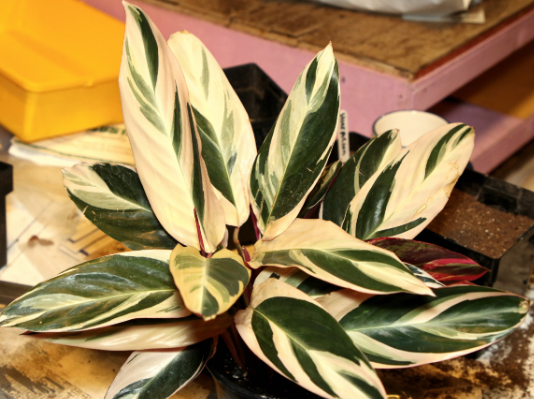
The Stromanthe Triostar is beloved for its vibrant foliage. The leaves are a stunning blend of green, cream, and pink hues, with the undersides of the leaves boasting a rich burgundy color. This plant isn’t just about looks, though—it’s also a bit of a diva when it comes to care.
Author’s Tip: “I’ve found that the more attention you pay to the environment of your Triostar, the more vibrant the colors will become. It’s definitely worth the effort!”
Native Habitat and Growth Habit
Native to the rainforests of Brazil, the Stromanthe Triostar thrives in humid conditions with dappled sunlight. It’s a slow grower, but with the right care, it can reach up to 2-3 feet in height indoors. Understanding its natural habitat can help you mimic these conditions at home.
How to Care for Stromanthe Triostar
Light Requirements
Stromanthe Triostar needs bright, indirect light to maintain its vibrant colors. However, direct sunlight can scorch the leaves, causing them to fade or develop brown spots.
Optimal Lighting Tips
- Place your Triostar near a north or east-facing window for gentle morning sun.
- Avoid placing it in direct afternoon sunlight, which is too harsh.
- If your plant’s colors seem to be fading, it might need a bit more light.
Personal Experience: “I initially placed my Triostar in a south-facing window, but I quickly noticed the leaves curling and browning at the edges. Moving it to a spot with bright, indirect light made all the difference.”
Watering Needs
Watering can be tricky with Stromanthe Triostar. It prefers consistently moist soil, but it’s also prone to root rot if left sitting in water.
Watering Schedule and Techniques
- Water when the top inch of soil feels dry to the touch.
- Use lukewarm, filtered water to avoid shocking the roots.
- Ensure the pot has drainage holes to prevent water from pooling at the bottom.
Pro Tip: “I like to use a moisture meter to check the soil before watering. It takes the guesswork out and helps prevent overwatering.”
Humidity and Temperature
As a tropical plant, Stromanthe Triostar loves humidity. Aim for humidity levels of 50-60% to keep your plant happy.
Creating the Perfect Environment
- Use a humidity tray or mist the leaves regularly.
- Consider using a room humidifier if your indoor air is dry, especially during winter.
- Keep the temperature between 65°F to 80°F. Avoid placing your plant near drafts or air conditioning vents.
Author’s Advice: “In my home, I’ve found that grouping my tropical plants together naturally boosts humidity levels. It’s a win-win for all my greenery!”
Soil and Fertilization
Stromanthe Triostar thrives in well-draining, fertile soil. A high-quality potting mix combined with perlite or orchid bark works well.
Fertilization Routine
- Fertilize every 4-6 weeks during the growing season (spring and summer) with a balanced liquid fertilizer.
- Reduce feeding in the fall and winter when the plant’s growth slows down.
Gardening Insight: “I’ve noticed that my Triostar responds well to organic fertilizers. They’re gentler and provide a slow release of nutrients, which is perfect for this delicate plant.”
Pruning and Maintenance
Pruning is essential to keep your Stromanthe Triostar looking its best. Regularly remove any yellow or damaged leaves to encourage new growth.
How to Prune Effectively
- Use sharp, sterilized scissors to trim away any dead or yellowing leaves.
- Prune during the growing season for best results.
Personal Tip: “Pruning is also a great opportunity to inspect your plant for pests. I’ve caught a few spider mites early this way, saving my Triostar from potential damage.”
Common Problems and Solutions
Leaf Curling and Browning
If you notice the leaves curling or browning at the edges, it’s often a sign of low humidity or underwatering. Increase humidity and adjust your watering schedule accordingly.
Pests and Diseases
Stromanthe Triostar can be susceptible to pests like spider mites and mealybugs. Regularly check the undersides of the leaves and treat any infestations promptly.
DIY Remedy: “I use a neem oil spray as a natural pest deterrent. It’s effective and safe for the plant.”
Yellowing Leaves
Yellowing leaves can be a sign of overwatering or poor drainage. Check the soil and ensure the plant isn’t sitting in water. Adjust your watering habits if necessary.
Propagating Stromanthe Triostar
Propagation can be done through division. This method is best carried out during repotting in the spring.
Step-by-Step Propagation Guide
- Gently remove the plant from its pot and shake off excess soil.
- Separate the root clumps carefully, ensuring each division has several leaves and roots attached.
- Pot each division in fresh soil and water thoroughly.
Gardener’s Note: “Propagating Triostar can be tricky, but it’s incredibly rewarding. Just be patient and give the new plants plenty of care as they establish themselves.”
Final Thoughts
Caring for a Stromanthe Triostar is a rewarding experience, though it does require some attention to detail. By providing the right light, humidity, and care, you can enjoy this plant’s stunning foliage year-round. From my experience, the effort is well worth it, as this plant brings a unique beauty to any indoor space.
Final Tip: “Don’t be afraid to experiment with your care routine. Every home environment is different, and sometimes a little trial and error is the best way to find what works for your Triostar.”
Happy gardening!
