
Hello fellow garden enthusiast! 🍂
Isn’t autumn a magical time? The crisp air, the pumpkin spiced lattes, and the joy of watching those vibrantly colored leaves flutter down from the trees. But wait, before you gripe about the impending task of raking and bagging, let’s talk about a game-changer.
Why toss nature’s bounty when you can harness the power of those fallen leaves and give back to your garden in a sustainable way? You’ve heard it right; those leaves you dread collecting can become your garden’s best friend. This is nature’s recycling at its best, my friend.
So, why are these fallen leaves so splendid? For starters:
- Soil Nutrition: Decomposed leaves enrich the soil with essential nutrients.
- Moisture Retention: They help the soil retain moisture, reducing your watering chores.
- Weed Deterrence: A layer of mulch made from leaves can deter those pesky weeds.
Now that I’ve got your attention, let’s dive into the eco-friendly and garden-boosting journey of turning these fallen leaves into invaluable mulch for your patch of green. Buckle up, for we’re about to embark on an exciting leafy adventure!
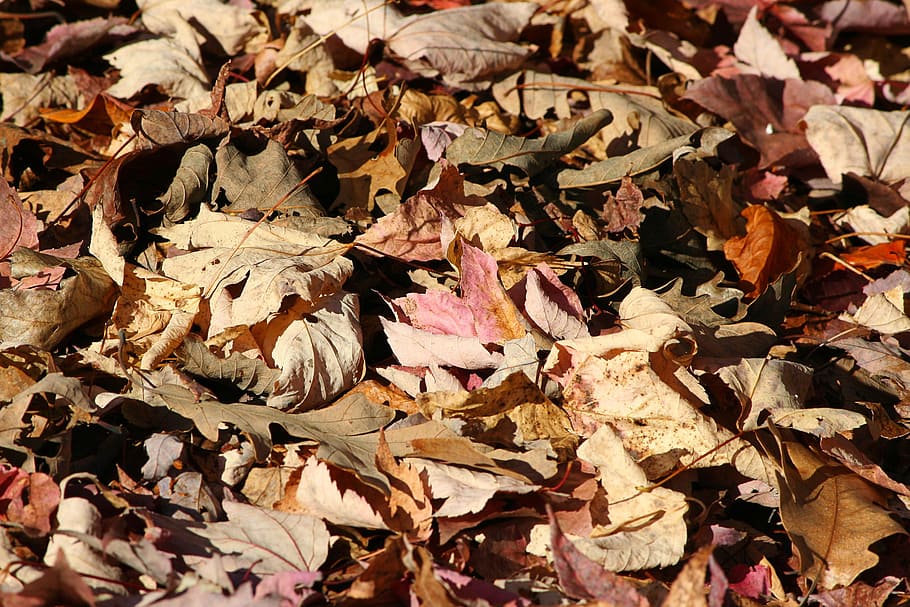
Benefits of Using Leaves as Mulch
Ah, the humble leaf! At first glance, it might seem like just a minor character in the grand play of gardening, but in truth, it’s one of the unsung heroes. Let’s delve into why you should absolutely consider giving those fallen leaves a second life as mulch.
🍂 Enrichment of Soil Nutrients
Leaves are nature’s multivitamins for your garden. As they break down, they release a smorgasbord of nutrients including nitrogen, phosphorus, and potassium (the big N-P-K, as we in the gardening biz like to say). Your plants will literally eat up this natural fertilizer.
🌧 Retention of Soil Moisture
Think of leaf mulch as a cozy blanket for your garden. It shields the soil, reducing evaporation and ensuring that your plants have a steady supply of moisture. The result? Less time with the watering can and more time enjoying your lush, green oasis.
🌬 Prevention of Soil Erosion
Erosion can be a gardener’s silent nemesis. Those gusty winds and heavy rains? They can whisk away your precious topsoil in the blink of an eye. Enter leaf mulch – the protector of the soil kingdom. It acts as a barrier, preventing the elements from eroding away the foundation of your garden.
🏰 Enhancement of Soil Structure
Imagine a soil that’s airy, well-draining, and yet capable of holding onto just the right amount of moisture. Sounds like a dream, right? Well, leaf mulch can turn that dream into a reality. It promotes the proliferation of beneficial microbes and worms, which in turn aerate the soil and improve its overall structure.
🌱 Discouragement of Weeds
Now, if there’s a villain in our gardening story, it has to be weeds. Those sneaky little invaders can pop up overnight and wreak havoc. But fret not! A protective layer of leaf mulch acts like a security guard, making it harder for weeds to sprout and establish.
Materials Needed
Before we roll up our sleeves and dive into the leafy action, let’s ensure we have all our tools and materials ready. Think of this as prepping your mise en place before whipping up a gourmet meal. Only this time, the gourmet treat is for your garden!
🍁 Collection of Fallen Leaves
First things first, those golden-brown treasures scattered all over your yard. Whether they’re from majestic oaks, delicate maples, or the sturdy elms, gather them up! Each type brings its own set of nutrients and benefits to the mulching table.
🍂 A Rake or Leaf Blower
For the Traditionalist: A trusty rake will do the trick. It’s not only a good workout for the arms but also quite therapeutic. There’s just something about the rhythmic motion and the rustling sound of leaves.
For the Modern Gardener: If you’re looking for efficiency and a bit of tech in your gardening routine, a leaf blower is your gadget. It’s like the wind at your command – directing leaves wherever you desire.
🌿 Lawn Mower or Leaf Shredder
While whole leaves can be used as mulch, shredding them speeds up decomposition and ensures a more even spread. If you’ve got a lawn mower, it can double up as a leaf shredder. Just run it over your leaf piles a couple of times. But if you’re feeling extra fancy and dedicated, investing in a leaf shredder can be a wise move.
🍃 Compost Bin or Pile (Optional)
If you wish to allow your leaves to break down a bit before using them as mulch or want to venture into making leaf compost (a topic for another day), having a compost bin or designated pile in your yard will come in handy.
🌱 Garden Gloves
Last but definitely not least, a pair of garden gloves. These trusty companions will not only protect your hands from potential splinters or blisters but also give you that ‘professional gardener’ vibe. And hey, who doesn’t like to look the part?
Step-by-Step Process
Alright, green-thumbed friend, with our tools at the ready and an enthusiasm that could rival the sunniest of spring days, it’s time to dive into the heart of our leafy endeavor. Let’s journey through the transformative process of turning those crisp fallen leaves into garden gold!
🍁 Collection of Fallen Leaves
- Best Practices:
- Choose the Right Time: Opt for a dry day. Wet leaves can be a slippery mess and are more cumbersome to collect.
- Gentle Gathering: Use your rake or leaf blower to gently gather the leaves, ensuring not to scrape or damage the grass underneath. Think of it as herding, not dragging.
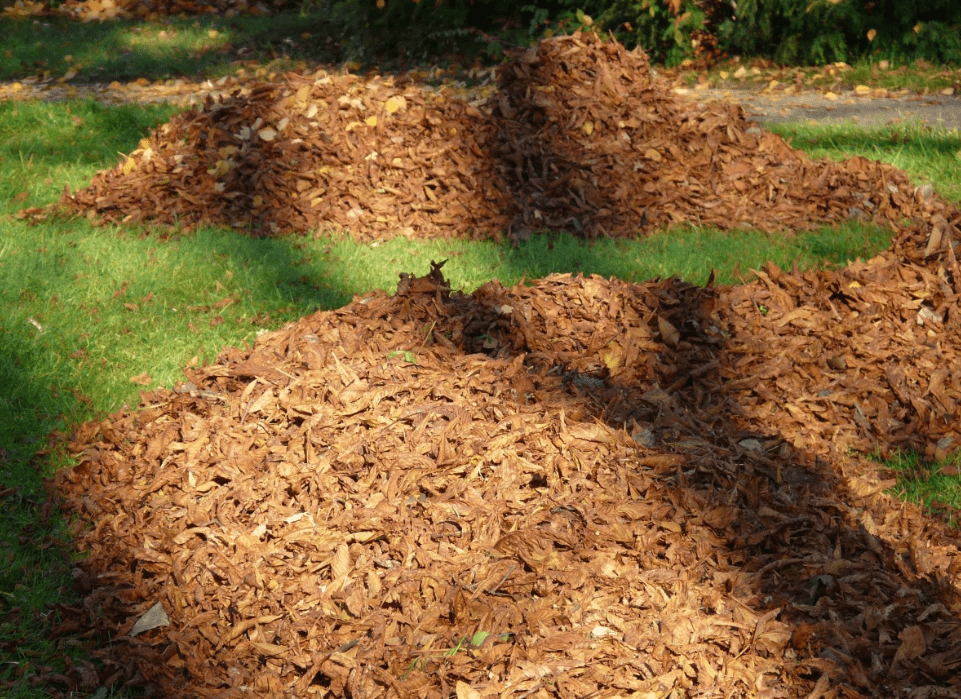
- Pile it Up: Create manageable-sized piles. Not only does this make the task feel less daunting, but it also gives you a sense of accomplishment with each completed pile.
🌞 Drying the Leaves
- The Why: Dry leaves decompose faster and shred more easily. Plus, mold and mildew aren’t fans of dry leaves, so you’re saving your garden from potential unwanted guests.
- The How: Spread the collected leaves thinly on a flat surface and let nature do its thing. A sunny day will have your leaves crisp and dry in no time.
✂️ Shredding the Leaves

- The Power of Shredding: Shredded leaves have increased surface area which aids in quicker decomposition. Plus, they are easier to spread and look tidier.
- Lawn Mower Method: Spread your leaves on your lawn and just mow over them a few times. Voila! Instantly shredded.
- Leaf Shredder Method: If you’re using a dedicated leaf shredder, make sure to follow the manufacturer’s instructions. Feed the leaves in steadily and watch the magic happen.
📦 Storing the Leaves (Optional)
- For the Procrastinators and Planners: If you’re not using the mulch immediately or you’ve gone a tad overboard with your leaf collection, storage is key.
- Breathable Bags: Store shredded leaves in jute or burlap bags. They allow air circulation, preventing mold growth.
- Keep Dry: Ensure your storage area is dry. The last thing we want is our precious mulch turning into a soggy mess.
- Location: A shaded spot is perfect. Direct sunlight can dry the leaves out too much, making them less effective as mulch.
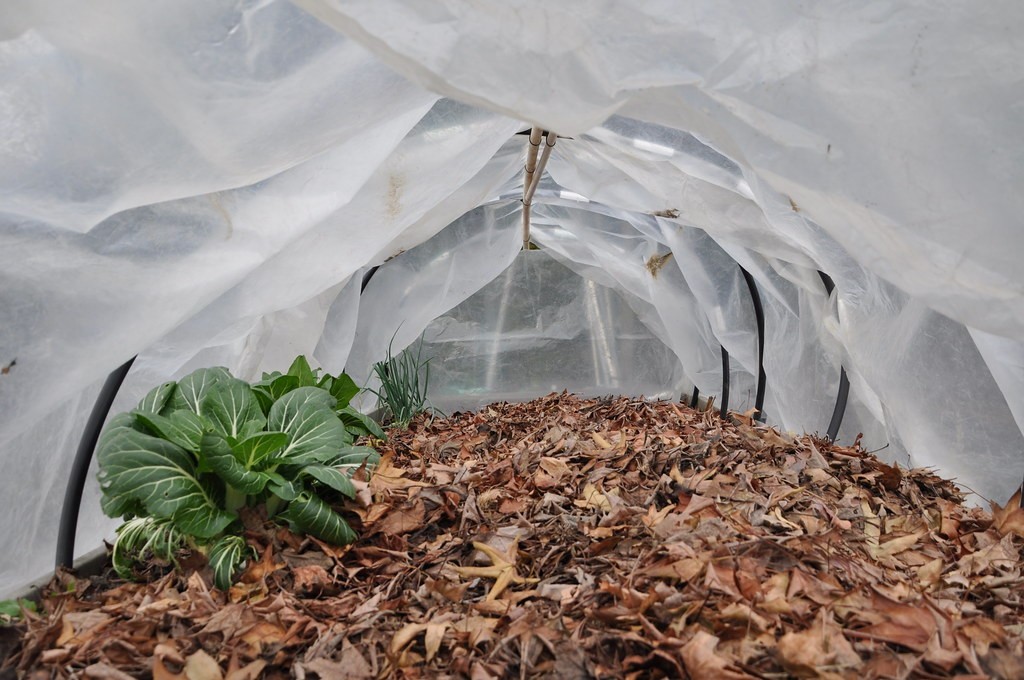
🌱 Applying Leaf Mulch to Your Garden
- Layering is Key: Aim for a layer about 2-3 inches thick. This provides all the benefits without smothering your plants.
- Best Buds: Most plants adore leaf mulch, but delicate flowers, veggies, and fruits especially appreciate the protective layer during temperature drops.
- Refresh and Replenish: As the leaves decompose, they’ll become a part of the soil. Top up your mulch every few months or at the start of a new season to keep the benefits rolling.
Tips for Effective Mulching
Every gardener, whether a seasoned pro or a green newbie, knows that the devil is in the details. Effective mulching can be the difference between a garden that’s “just okay” and one that screams, “I’m thriving, darling!” Let’s sprinkle in some expert advice to elevate your mulching game. 🌸✨
🥗 Mixing Leaves with Other Organic Materials
- Why Mix? Just as we enjoy a varied diet, so does our garden. Each organic material brings its own set of nutrients and benefits to the table (or should we say, soil?).
- Grass Clippings: These green gems are rich in nitrogen. When combined with carbon-rich leaves, you create a balanced feast for your soil.
- Straw: It adds bulk and allows better air circulation. Just ensure it’s seed-free to avoid sprouting unexpected guests.
🍰 Not Going Overboard with the Thickness
- Balance is Key: While the enthusiasm to layer on that mulch is understandable, a too-thick layer can suffocate the soil and create a haven for mold or fungi.
- Aim Right: Stick to the 2-3 inch rule. It’s like applying frosting on a cake; you want enough to enjoy but not so much that it overwhelms the cake beneath.
🔄 Recognizing When to Replace or Replenish the Mulch
- Nature’s Cue: Over time, the mulch will break down and integrate with the soil. When you notice the layer thinning or your soil looking a bit exposed, it’s a sign.
- Seasonal Hints: At the onset of a new growing season or after a particularly harsh weather spell, give your garden a fresh mulch blanket. It’s like giving it a rejuvenating spa treatment.
- Monitor Moisture: If your soil seems overly dry despite recent rains or watering, it might be time for a fresh layer of mulch to help with moisture retention.
The Difference Between Leaf Mulch and Leaf Compost
In the grand arena of gardening, two champions often find themselves in the spotlight, especially when autumn leaves start their annual descent: Leaf Mulch and Leaf Compost. While they might sound like distant cousins, they play distinct roles in the gardening universe. Grab your notepad, dear gardener, as we delve into the tales of these two leafy legends. 🍁📘
🌱 Explanation of Composting
- Nature’s Recycling System: Composting is essentially Mother Nature’s method of recycling. It’s the process where organic materials break down over time with the help of microbes, turning them into a rich, dark, crumbly substance – the black gold of the gardening world.
- The Ingredients: A balanced mix of greens (nitrogen-rich materials like veggie scraps) and browns (carbon-rich materials like dry leaves) make for a happy compost pile.
- The Result: The end product is nutrient-dense compost that can be mixed into garden soil to enhance its fertility.
🍂 How and Why Leaf Compost is Different from Leaf Mulch
- The Process: While leaf mulch is essentially shredded (or even whole) leaves spread atop garden beds, leaf compost is the result of leaves undergoing the decomposition process till they turn into a rich, dark mix.
- The Purpose:
- Leaf Mulch: It acts as a protective blanket, regulating soil temperature, retaining moisture, and preventing weed growth.
- Leaf Compost: It’s like a vitamin boost for your soil, enriching it with essential nutrients and improving its texture.
🌿 Benefits and Drawbacks of Each Method
Leaf Mulch:
- Pros:
- Immediate application, no waiting time.
- Retains soil moisture and regulates temperature.
- A natural weed barrier.
- Cons:
- Decomposes slower than compost, so nutrient release to the soil is gradual.
- Can blow away in strong winds if not properly secured.
Leaf Compost:
- Pros:
- Enriches soil with a burst of nutrients.
- Improves soil structure and drainage.
- Can be used as a potting mix component.
- Cons:
- Requires time (months to a year) to fully decompose.
- Needs occasional turning and monitoring to ensure proper decomposition.
FAQ (Frequently Asked Questions)
Ah, questions! The mark of a curious mind and a green thumb in the making. Let’s dive into some of the burning queries that fellow garden enthusiasts, like you, often ponder upon when dealing with the enigma that is leaf mulch. 🤔🍃
Q: Can all types of leaves be used for mulch?
A: Almost all, yes! However, be cautious with leaves from black walnut trees as they contain juglone, which can inhibit the growth of certain plants. A quick Google search on your specific tree should set things straight.
Q: How often should I replace leaf mulch?
A: As a general rule, you should refresh your leaf mulch at least once every season or when you notice it thinning out. However, your plants and the weather might signal you sooner.
Q: Is leaf mulch safe for all plants?
A: Generally, yes! But again, be cautious of walnut tree leaves and observe how sensitive plants react to the new mulch.
Q: Can pests be attracted to leaf mulch?
A: While leaf mulch can provide a habitat for beneficial insects, it might also invite some unwanted critters. But fear not, maintaining a balanced garden ecosystem often keeps things in check!
Q: How long does it take for leaves to decompose into mulch?
A: Well, as mulch, leaves start their role immediately. If you’re thinking of decomposition into the soil, it varies but usually takes a season or two.
Q: Is it necessary to shred the leaves?
A: Not necessary, but shredding accelerates decomposition and prevents matting, ensuring your soil can breathe easy.
Q: Can I mix leaf mulch with other types of mulch?
A: Absolutely! This is like a buffet for your soil. Each type of mulch brings its unique benefits.
Q: What’s the difference between mulch and compost?
A: Mulch is the protective layer on top of soil (like a blanket), while compost is the nutrient-rich mix integrated into the soil (like a vitamin boost).
Q: How can I store excess leaf mulch?
A: Store in breathable bags, like jute or burlap, in a shaded and dry area. This will keep them fresh and ready for their next mulching mission!
Q: Can leaf mulch be used in potted plants?
A: Why not? Just ensure you don’t smother the plant, allowing space for stems to breathe and grow.
And there we have it – a whirlwind journey through the wonderland of leaf mulching! Remember, at the end of the day, gardening is as much about trial and love as it is about knowledge. Every patch of soil, every plant, has its quirks and preferences. With the insights you’ve gathered here, combined with your observation and passion, you’re set to make your green space a leafy haven.
Here’s to the rustle of leaves, the fragrance of fresh soil, and the joy of gardening! Cheers, my fellow earth-tenders!
