
Do you have a palm tree? Most likely, if you live in the United States or another temperate climate, you don’t. This is because palm trees only grow in tropical and subtropical climates. If you are fortunate enough to live in one of these climates or are planning a trip soon, you may be wondering, what do palm seeds look like? In this article, we will tell you about the different types of palm seeds and how to grow a palm from seeds in your region.
 Palm seeds for planting
Check

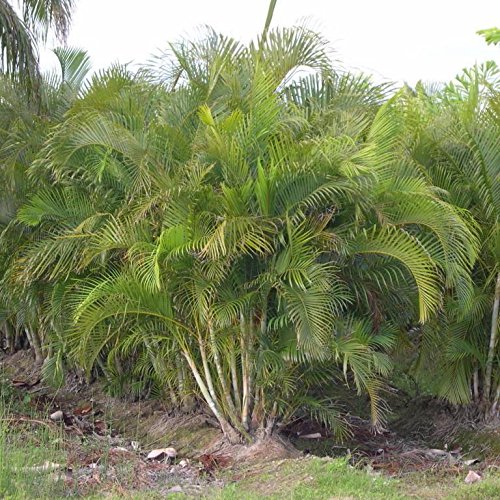

What do palm seeds look like?
There are many different kinds of palm trees, and as a consequence, there are many different kinds of palm seeds. Some palm seeds look like small nuts, while others look more like pine cones. The pods of some palms open to release the seeds, while the pods of other palms have to be ripped open by hand.

Palm seeds also vary in color. There are rich red, coconut, and light green ones. Each type of seed has a different shape, so they are fairly easy to distinguish from each other. All the more reason to know what kinds of palm trees exist.
What is the difference between the fruit of the palm and the seed of the palm?
Palm fruit is sweet and edible, while palm seeds are hard and inedible. Palm seeds are also used to grow new palm trees. There are different kinds of palm seeds, and they all look a little different. Seeds are made up of four layers, where each has a different name and purpose. Inside, the last layer always contains the beginning of the offspring, which is securely protected by four layers.
The fruits of palms, on the other hand, are usually fleshy, and when cut open, they may contain water or juice. By the visual discrepancy, it will be immediately apparent where the fruit is and where the palm seed is.
What kinds of palm seeds exist?
There are two types of palm seeds: male and female. Female seeds are used to grow new palms. Seeds of each type have a different shape, size, and color. Some seeds have a hard shell, while others have a soft shell.
Also, palm seeds are differentiated by the type of future palm. There are currently about 2,600 species of palm trees, so the choices are enormous. But not all palms will be able to grow in all regions of the country, so we have collected the most popular of them, about which we will tell a little bit below.
The most popular types palm
Jubaea Chilensis

It is a Chilean wine palm, and it is a hardy palm that can tolerate cold climates. Jubaea Chilensis produces edible fruits, black and small. It is good for growing outdoors, as it can grow up to 60-80 feet tall. At maturity, the palm will produce incredibly beautiful purple-yellow flowers.
Livistona Chinensis
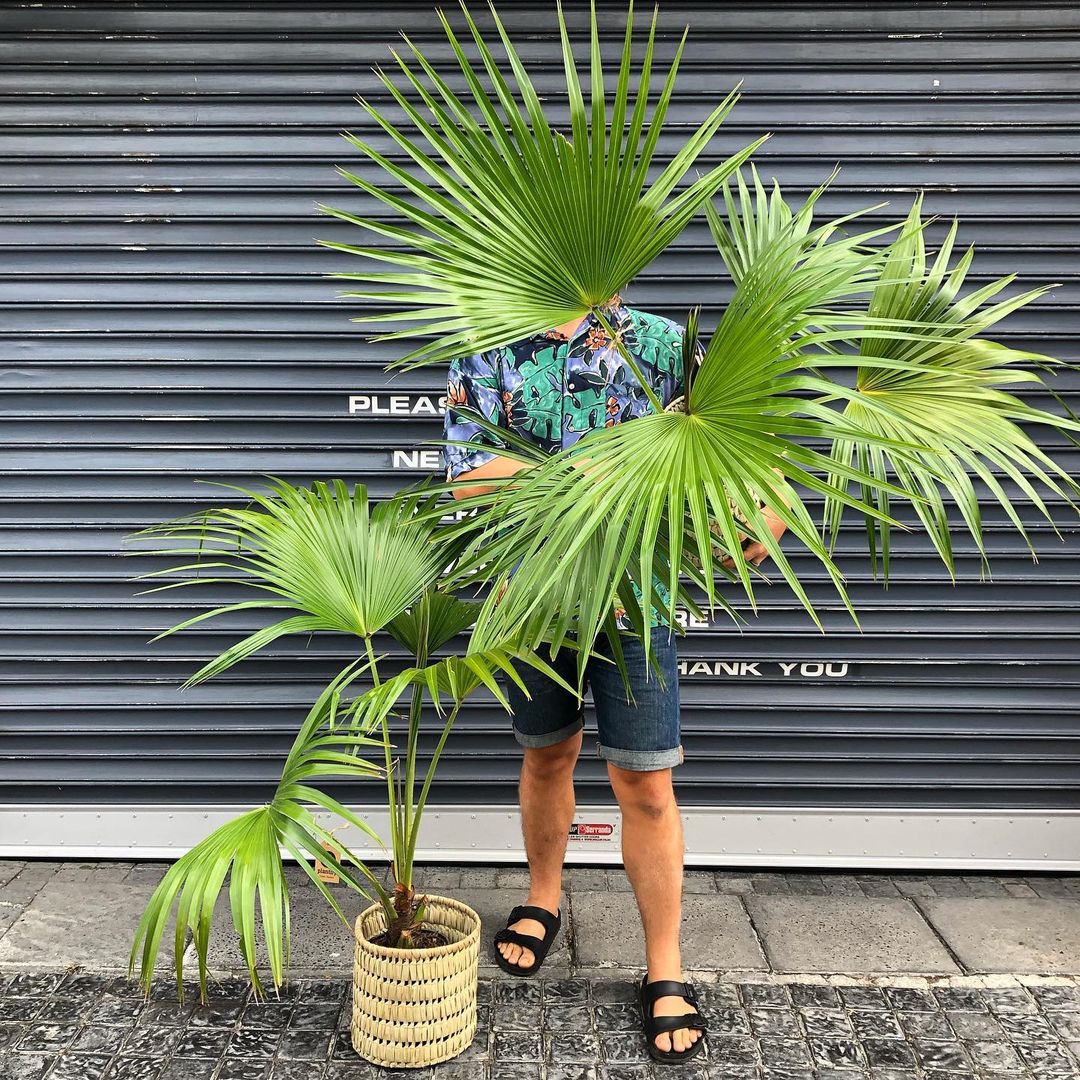
It is a fan dwarf palm native to Southeast Asia. It can grow up to 7 feet tall. The leaves are pinnate, meaning they are made up of many leaflets. The fruits are red and the seeds are black. Livistona Chinensis prefers full sun and high humidity levels. The dwarf palm is only suitable for indoor cultivation.
Howea Forsteriana
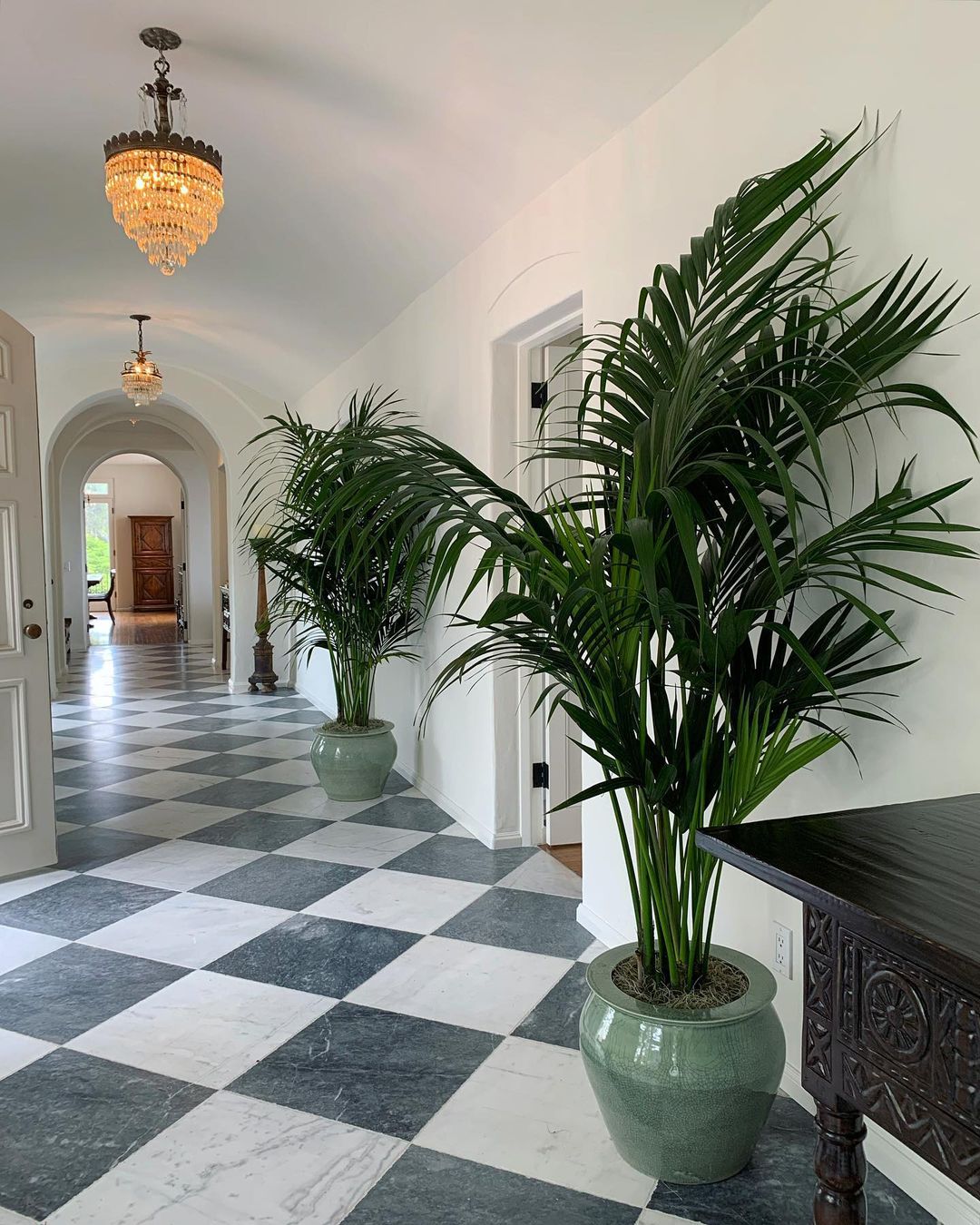
It is a paradisiacal palm native to Lord Howe Island. It can grow up to 8 feet tall and has a slender, slender trunk. The leaves are green, with leaflets arranged in an arc and often create a parallel pattern when in full bloom. Howea Forsteriana prefers partial shade and filtered sunlight, as well as high humidity levels.
Roystonea Regia

It is the national tree of Cuba and can grow up to 100 feet tall. Roystonea Regia has a stout trunk, with leaves that are dark green and leathery. The fruit is red and the seeds are black. This palm does well in full sun or partial shade, but cannot tolerate frost. It is best suited for tropical
How to grow a palm tree from seed?
Sprouting palm seeds is not a difficult task, but it does require a little more attention than sprouting some other types of plants. The main thing here is to follow the right sequence.

Step 1 – planting
The first step is to plant the seeds. The seed should be planted in a small container, in which a thin layer of soil for palm trees should be poured beforehand. Do not bury the palm seed too deep, otherwise the tree will not grow.
Next, you need to put the container in a warm place with high humidity. You can additionally wrap the container in food film or a plastic bag, which will create increased humidity inside.
The seed will begin to germinate, depending on the type of palm tree chosen. Starting from 70 days and ending up to 6 months.
Step 2
When the first sprout appears, you can remove the plastic bag and provide the palm with a moist and warm environment, with diffused sunlight. This will help to favorably influence the growth of the palm, ensuring it is in good health.
Step 3 – Fertilize
When your palm tree has a few leaves, it’s time to start fertilizing it. You can use organic or inorganic fertilizers, but be sure to follow the instructions on the package. The main rule is not to over fertilize, as this can damage the tree. Apply fertilizer every two weeks during the spring and summer making a weak and liquid solution. Do not use any fertilizer other than the one designed for palms.

Step 4 – Replanting
n your palm reaches a height of about 20 cm, it’s time to move it to a larger pot. Make sure the new pot has drainage holes and is filled with fresh soil. After transplanting, continue to feed the young tree with fertilizer and plenty of watering until it becomes self-sufficient.

Remember not to transplant a palm tree that is too young, as these trees are prone to root shock if transplanted too early. It is important that the palm tree has time to produce several sets of leaves before it can be transplanted. Depending on the type of palm tree you choose, its continued growth after transplanting will be either in the garden or indoors. For indoors, you leave the pot in which you transplanted the palm in the first place, but for the garden, the palm is transplanted into soil.

Hi
I FOUND 50 Lipstick palm seeds with very much difficulty.
What is the best temperature for the seeds to germinate ?
Because this palm is unknown here no one has the experience as what the temperature for germination should be. Some say 25 to 30 degrees Celcius and some say 32 to 35 Celcius.
I am confused now. Pls help me and advise what is the best temperature for Lipstick palm seeds for germination and what is the best substrate i can use.??
Also please advise if the heat goes above the recomended degree by 1 or 2 degrees Celcius what will happen.?? can it destroy the seeds.?
Already thank you for your guidance.
Hi.
Lipstick palm seeds typically germinate best at a temperature between 75-85°F (24-29°C). It is important to maintain consistent warmth for the seeds to germinate successfully. It is also important to note that the seeds should be kept moist but not waterlogged, as too much moisture can cause the seeds to rot.
Too high a temperature, such as 5 to 10 degrees for an extended period of time, can lead to stress and increased susceptibility to disease and pests in the future. To avoid this, it is important to provide the Lipstick palm with the proper temperature control (25-30°C). If the temperature goes up a couple of degrees, nothing bad will happen to the seeds.