
Growing herbs can be a rewarding experience, especially when you know which ones thrive best together. In this article, we’ll explore the benefits of companion planting with herbs, provide a comprehensive list of herb pairings, and share some of my personal experiences and tips to help you cultivate a healthy and bountiful herb garden.
Why Companion Planting Matters
Companion planting is the practice of growing different plants together for mutual benefit. When it comes to herbs, this method can enhance growth, deter pests, and even improve flavor. Some herbs are natural allies, complementing each other in ways that can lead to a more productive and vibrant garden.
Boosting Growth and Flavor
Planting certain herbs together can lead to improved growth and flavor. For instance, basil planted next to tomatoes can enhance the flavor of both plants while also acting as a natural pest deterrent. Similarly, rosemary and sage, when planted together, can boost each other’s growth and produce more potent aromas.
Natural Pest Control
One of the greatest benefits of companion planting is its ability to naturally deter pests. For example, planting chives or garlic alongside your herbs can help repel aphids, while dill can attract beneficial insects like ladybugs that keep harmful pests in check.
Best Herbs to Plant Together
Let’s dive into some of the best herb pairings that can make your garden flourish.
Basil and Tomatoes
Basil and tomatoes are a classic pairing in the garden. Basil not only enhances the flavor of tomatoes but also repels pests like aphids, whiteflies, and mosquitoes. In my own garden, I’ve found that this combination works wonders, with both plants thriving and producing abundantly.
Rosemary and Sage
Rosemary and sage are Mediterranean herbs that thrive in similar conditions, making them ideal companions. Both prefer well-drained soil and lots of sunlight. Together, they can help each other resist pests and diseases, leading to healthier plants.
Thyme and Oregano
Thyme and oregano are low-growing herbs that do well together. They both prefer sunny spots and well-drained soil. When planted together, they can create a fragrant ground cover that keeps weeds at bay while attracting pollinators like bees.
Dill and Chives
Dill and chives make an excellent pairing. Dill attracts beneficial insects such as ladybugs and hoverflies, which prey on harmful pests like aphids. Chives, on the other hand, can help deter pests with their strong scent. This combination has worked particularly well in my garden, where I’ve noticed a significant reduction in pest problems.
Mint and Parsley
Mint and parsley can coexist well, but it’s essential to keep mint in a separate container or a confined space, as it can become invasive. Both herbs thrive in partial shade and can benefit from each other’s presence. Parsley is a biennial herb, meaning it will last for two years, while mint is a perennial that can return year after year.
Herbs to Avoid Planting Together
While many herbs pair well together, some combinations should be avoided.
Fennel and Most Herbs
Fennel tends to inhibit the growth of many herbs and vegetables, so it’s best to keep it in a separate area of the garden. I once made the mistake of planting fennel near my dill, and it stunted the growth of both plants.
Mint and Chamomile
Mint is a vigorous grower and can easily overtake chamomile, leading to competition for nutrients and space. It’s best to give mint its own space, either in a container or a separate garden bed.
Tips for Successful Herb Companion Planting
To make the most of your herb garden, here are some tips based on my own experiences:
Choose the Right Location
Ensure that your herbs are planted in areas where they receive the appropriate amount of sunlight. Most herbs prefer full sun, but some, like parsley and mint, can tolerate partial shade.
Consider Soil Needs
Herbs like rosemary, thyme, and oregano prefer well-drained, sandy soil, while others, like basil and parsley, do well in richer, more fertile soil. Group herbs with similar soil requirements together for the best results.
Regular Pruning and Harvesting
Keep your herbs healthy and productive by regularly pruning and harvesting them. This encourages new growth and prevents them from becoming leggy.
Rotate Herb Pairings
Consider rotating your herb pairings each season to prevent soil depletion and reduce the risk of pests and diseases. This practice has helped me maintain a vibrant and resilient garden year after year.
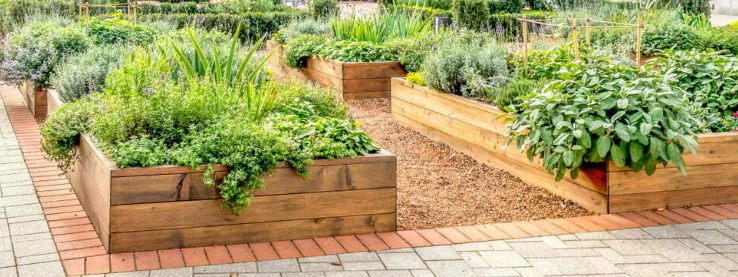
Companion planting with herbs is more than just a practical gardening technique—it’s a way to create a harmonious and thriving garden. By choosing the right herb pairings, you can enjoy a bountiful harvest, healthier plants, and a more beautiful garden space. Whether you’re a seasoned gardener or just starting, experimenting with different herb combinations can lead to some delightful discoveries. Happy gardening!
