
Have you ever seen bamboo and thought it was a plant? You’re not alone! Many plants look like bamboo, but don’t worry – we’ll help you figure out which ones they are. In this blog post, we will discuss 10 plants that look like bamboo. We’ll give you pictures and information on each one so that you can identify them correctly. Keep reading to learn more!
Horsetail

Horsetail is a type of reed that looks like bamboo. It has hollow stems and in some cases can grow up to 6 feet tall. Its leaves are narrow, pointed, and scale-like. This plant is found all over the world, but is most common in North America and Europe. Horsetail is a very popular plant and grows very well in different weather conditions and temperatures. There are dozens of different species of horsetail around the world, but they all look very similar to each other in appearance.
Japanese Highlander
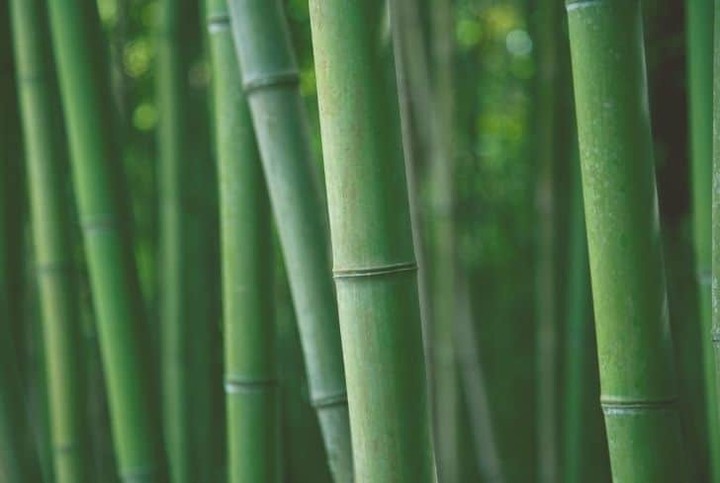
The Japanese mountaineer is a plant that is very similar to bamboo and is native to Japan. The highlander has long, slender trunks with nodes evenly spaced along its length. It can reach a height of up to 10 meters and is popular in gardens as an ornamental plant. But it is very important to keep an eye on this plant, as the variety is an invasive weed species, so if it is not watched and cared for, it can take over your garden. Invasive weeds prevent other plants from growing properly. They can choke out an already mature plant and can also crowd its root system.
Lucky Bamboo

Lucky bamboo is actually a variety of the dracena, but it is so named for its high resemblance to the common bamboo. Such a plant is common in home cultivation because it resembles a mini-copy of a bamboo. Dracena happy bamboo is very easy to grow at home, with no delicate care. The plant can also be planted in open soil, where it likes high humidity and active sun, but with protection from direct sunlight.
Nandina homemade
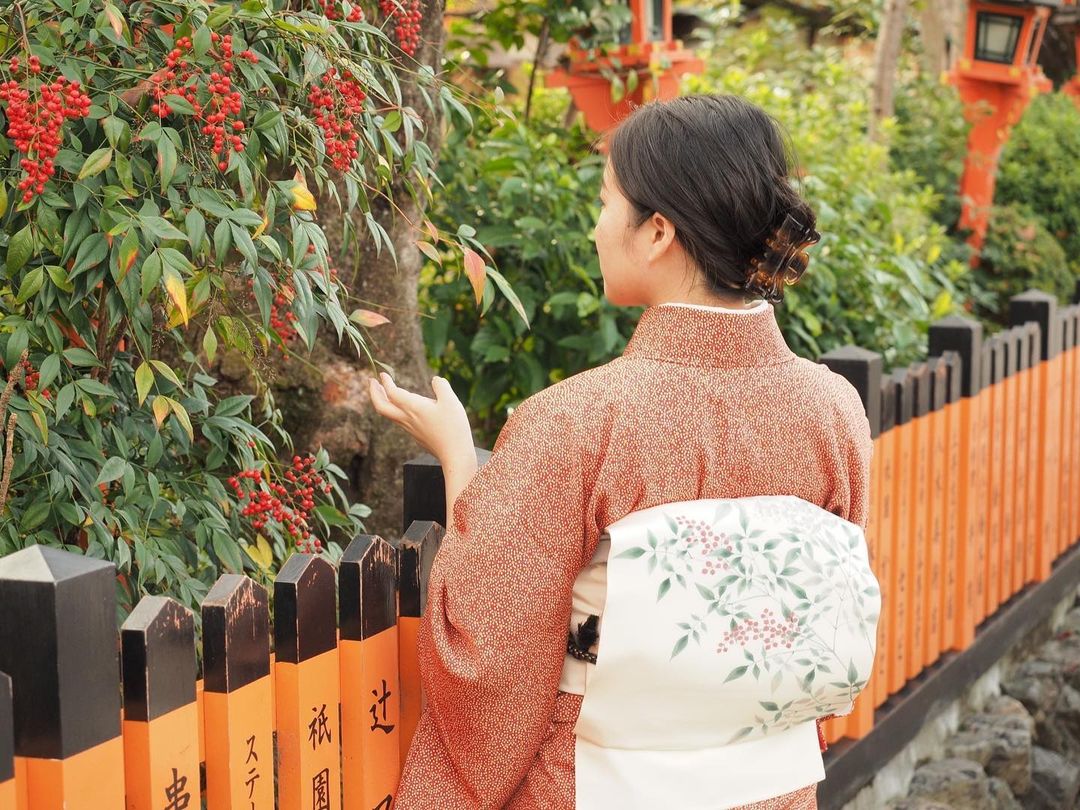
Nandina domestica, also called sky bamboo, is often mistaken for bamboo because of its long, thin stems. This evergreen foliage plant can be grown both indoors and outdoors. Nandina houseplant is fairly versatile when it comes to keeping conditions and does best in warm temperatures and partial sunlight. Water the plant regularly, but don’t overwater. Nandina domestica is a shrub type of plant and produces small, red berries during the flowering period. The plant also has another name, Heavenly Bamboo. In southern states, this type of plant is considered an invasive weed species because it is hard to get rid of and easily tolerates drought and high temperatures. It is worth knowing that the red berries of the plant are toxic and can cause poisoning to pets and birds.
Giant Reed
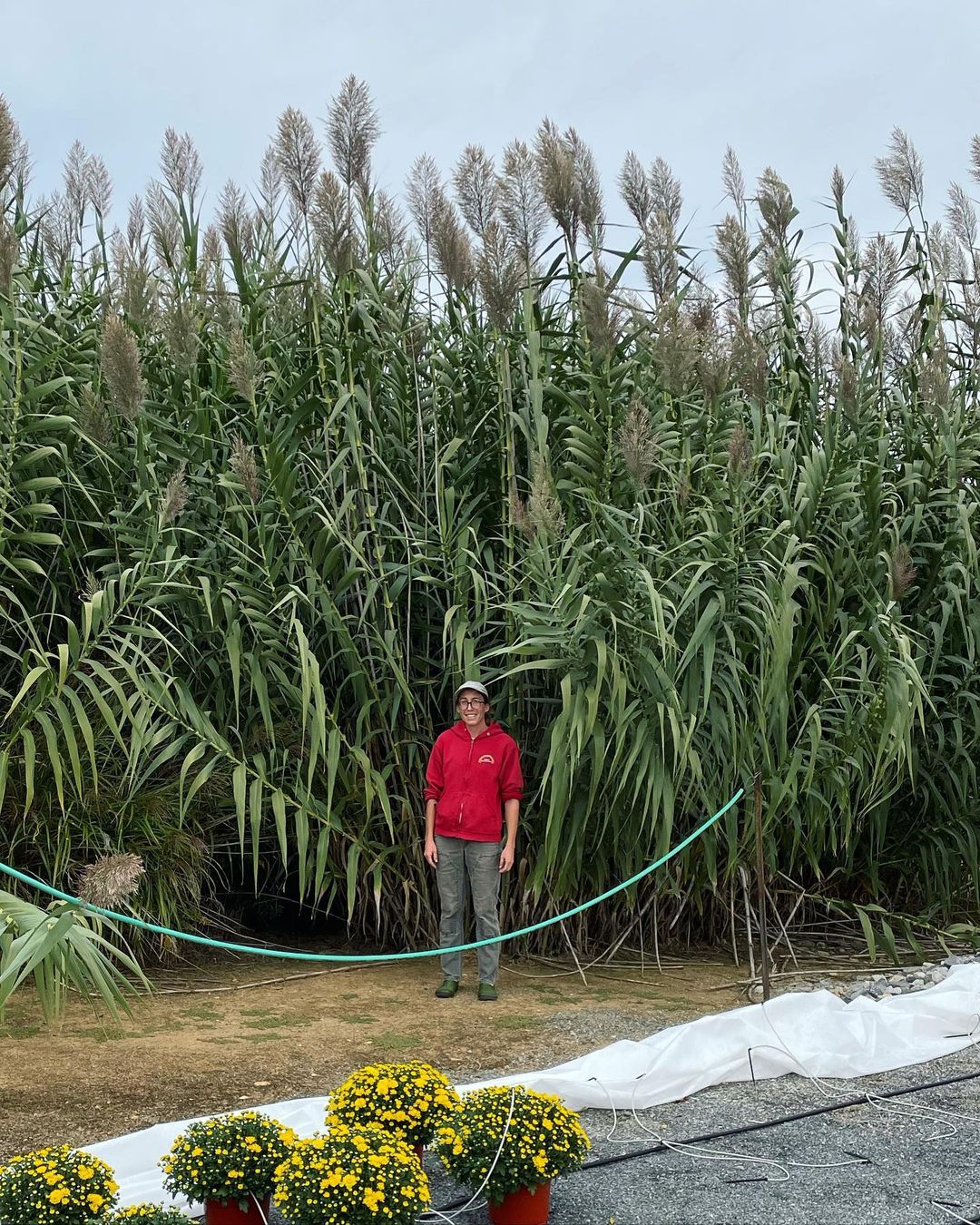
Giant reed, or Arundo donax, is a tall emerald green grass similar to bamboo. It is usually used as an ornamental plant and in landscaping, but can also be cultivated for energy. This type of grass grows up to 35 feet tall and has green leaves with white streaked streaks. Giant reed looks most like bamboo, which is why it is most often confused with it. The plant is native to Asia and belongs to the cereal family.
Bamboo Palm

The bamboo palm, or Chamaedorea seifrizii, is a beautiful evergreen plant with branches very similar to bamboo. It can reach 30 feet in height and can be grown both indoors and outdoors. The beauty of the bamboo palm lies in its tropical appearance, with its fan-shaped leaves and thick stems. The palm grows best in a subtropical climate, which is closest to its natural wild conditions. At home, the bamboo palm can grow up to 20 feet tall if all growing conditions are met.
Diffenbachia cane

Diffenbachia cane is an evergreen plant grown in homes and gardens. It is very similar to bamboo with its long, thin stems and long green leaves. This type of indoor plant prefers high humidity and can survive in partial shade. The most important thing when caring for Diffenbahia cane is not to overwater it, or else root rot can develop. The genus of such a plant includes about 56 different species, which differ from each other in size, shape, and growing conditions, but they are all very similar to the classic bamboo.
Popular questions and answers
How can I tell which plants look like bamboo?
The easiest way to tell which plants look like bamboo is to look at their stems and leaves. Bamboo has long, thin stems and dark green, narrow leaves. If a plant has similar characteristics, it probably looks like bamboo. But if there are even minor differences, then it is one of the plants written about above.
Why is bamboo called a grass?
Bamboo is called an herb because it belongs to the Poaceae family of plants, which also includes wheat and other grasses. Although bamboo looks like a tree, its roots are similar to those of grass, and it grows in clumps or bunches. It is also considered an evergreen plant because it does not lose its leaves.
How fast does bamboo grow?
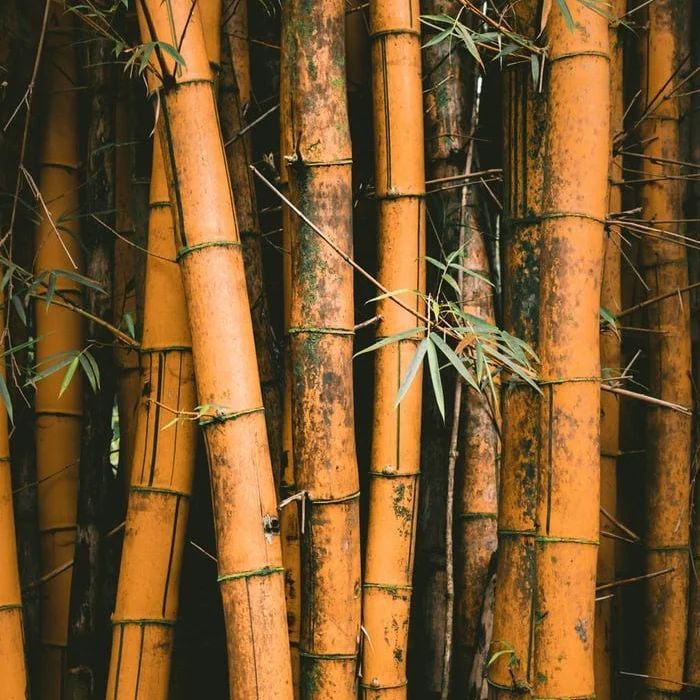
The growth rate of bamboo varies depending on the species and environmental conditions. In general, most species grow at a rate of 1 to 2 feet per year. Some varieties can even reach an impressive height of up to 100 feet in just three months! However, the fastest growing bamboos can reach up to 3 feet per week.
What diseases and pests does bamboo suffer from?
Bamboo is susceptible to many of the same diseases and pests that afflict other plants. These include root rot, aphids, thrips, caterpillars, white fly, spider mites and powdery mildew. To prevent or reduce damage caused by these insects and diseases, it is important to properly care for bamboo plants.
What is made from bamboo?
Bamboo is a versatile material that can be used for a variety of purposes. Common bamboo products include furniture, flooring, kitchen utensils and even clothing. Bamboo is also becoming an increasingly popular alternative building material for eco-friendly homes and buildings due to its durability and steady growth rate. In addition, bamboo charcoal has many beneficial properties.
