
As an avid gardener and indoor plant enthusiast, I’ve found myself in the middle of a green thumb dilemma more times than I can count. One of the most frequent debates I come across—both in my own home and among fellow plant lovers—is the classic showdown between Pothos and Philodendron. These two plants are often mistaken for one another, and it’s no wonder why! They share similar care needs, appearance, and even personality (if you can call a plant personable). But as any experienced gardener will tell you, the devil is in the details. Let’s dive into the similarities and differences between these two popular houseplants and help you decide which one (or maybe both!) deserves a spot in your home.
Appearance: Spotting the Differences
Leaf Shape and Texture
The most obvious difference between Pothos and Philodendron lies in their leaves. Pothos leaves are thicker, waxier, and often have a more prominent, variegated pattern. They can range from bright green to golden or even marbled with white. Philodendron leaves, on the other hand, are typically more heart-shaped, with a softer, velvety texture. They tend to have a more uniform green color, although some varieties do feature stunning patterns.
Growth Habit
Pothos are known for their vigorous growth, often producing long, trailing vines that can reach impressive lengths if left unchecked. They’re perfect for hanging baskets or draping over the edges of shelves. Philodendrons also trail, but their growth is generally more controlled and compact, making them ideal for smaller spaces or for those who prefer a tidier look.
Care Requirements: A Head-to-Head Comparison
Light Needs
Both Pothos and Philodendron thrive in bright, indirect light but are remarkably tolerant of lower light conditions. However, I’ve noticed that my Pothos tend to maintain their vibrant variegation better in brighter spots, while Philodendrons are more forgiving in shadier corners.
Watering
Here’s where the two diverge slightly. Pothos are pretty drought-tolerant—they don’t mind if you forget to water them every now and then. I’ve found that letting the soil dry out completely before watering again works best. Philodendrons, however, prefer consistently moist soil. Not soggy, mind you, but they do appreciate a regular watering schedule.
Humidity
While both plants are relatively easy-going, they do enjoy a bit of humidity. If you live in a dry climate or have central heating that tends to dry out the air, a little extra humidity can do wonders. A regular misting, a nearby humidifier, or even grouping them with other plants can help keep them happy.
Ease of Propagation: Multiplying Your Green Army
One of the joys of owning both Pothos and Philodendron is how easy they are to propagate. Simply snip a healthy vine just below a node (that’s the bumpy part where the leaf meets the stem) and pop it into a glass of water. In a few weeks, you’ll see roots forming, and before you know it, you’ll have a whole new plant ready to pot up. It’s a fun way to expand your indoor jungle or share with friends!
Common Problems: Pests and Diseases
Like all houseplants, Pothos and Philodendron are susceptible to pests like spider mites, mealybugs, and aphids. But fear not! Regularly inspecting your plants and wiping down the leaves with a damp cloth can prevent most infestations. Should you find unwelcome critters, a gentle spray of neem oil or insecticidal soap usually does the trick.
Another thing to watch out for is root rot, especially in Philodendrons. Remember that bit about not letting the soil get too soggy? This is why! Root rot can be a real plant killer, so be sure your pots have good drainage and that you’re not overwatering.
My Personal Experience: Which One Do I Prefer?
As a self-proclaimed plant hoarder, I must admit—I have both Pothos and Philodendron in my collection. However, if I had to choose just one, I might lean slightly towards Philodendron. There’s something about their delicate, heart-shaped leaves that I find irresistible. They’re also a bit more versatile in terms of placement, fitting nicely into both larger displays and more compact spaces.
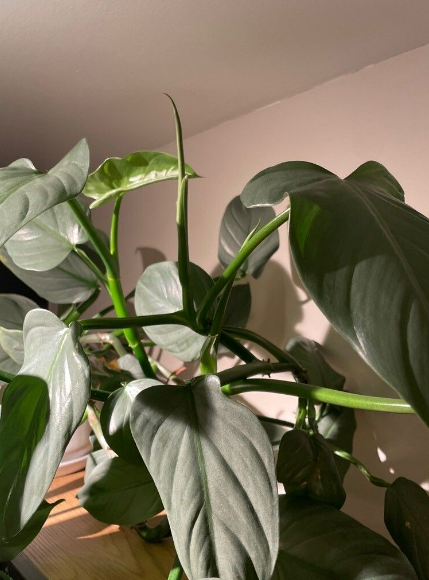
That said, Pothos holds a special place in my heart (and my home) as well. Their resilient nature and fast growth make them perfect for beginners or anyone looking to add a splash of greenery without too much fuss. Plus, they’re incredibly satisfying to propagate—I’ve got Pothos cuttings rooting all over my house!
Conclusion: The Final Verdict
In the end, the choice between Pothos and Philodendron comes down to personal preference and the specific needs of your home. Both plants are low-maintenance, beautiful, and easy to propagate, making them excellent additions to any indoor garden. Whether you’re drawn to the hardy, trailing vines of Pothos or the elegant, heart-shaped leaves of Philodendron, you really can’t go wrong.
So why not get both? They complement each other wonderfully and will bring double the green joy to your space. Happy planting!
Footnotes:
- Pothos and Philodendrons are often confused due to their similar appearance, but with a little attention, you can easily distinguish them.
- Overwatering is a common mistake with Philodendrons—less is more when it comes to their hydration needs.
- Propagation is a fantastic way to grow your plant collection without spending a dime. Give it a try!
