
When it comes to gardening, especially container gardening, choosing the right medium for your plants is crucial. You may have noticed that there are both “potting soil” and “potting mix” available at your local garden center, but what’s the difference between the two? And more importantly, which one should you be using for your plants? Let’s dive in and break it down!
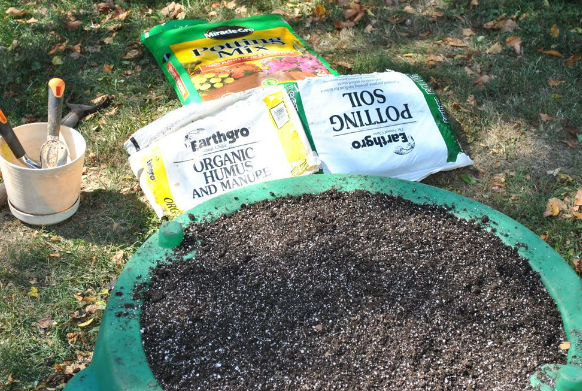
Understanding Potting Soil
What is Potting Soil?
Potting soil, as the name suggests, is soil that’s meant to be used in pots or containers. However, don’t be fooled by the term “soil” – it’s often not just soil. Potting soil is typically a blend of various organic materials like peat moss, compost, and pine bark, sometimes mixed with mineral components like perlite or vermiculite to improve drainage and aeration.
When to Use Potting Soil
Potting soil is best suited for outdoor container gardening where you want to mimic the conditions of ground soil. It retains moisture well and is generally denser than potting mix. This density can be beneficial for plants that require more stability and nutrients, like shrubs or larger container plants.
Pros of Potting Soil
- Nutrient-rich: Usually contains compost or other organic matter that provides nutrients for plants.
- Moisture retention: Holds water well, which is ideal for plants that need consistent moisture.
- Good for large containers: The heavier composition helps anchor bigger plants.
Cons of Potting Soil
- Heavier: Can become compacted over time, reducing air flow to roots.
- Not ideal for all plants: Some plants, especially those prone to root rot, may suffer in potting soil due to excessive moisture retention.
Exploring Potting Mix
What is Potting Mix?
Potting mix, on the other hand, is a soilless medium that is specifically designed for container gardening. It typically consists of peat moss, coconut coir, perlite, and sometimes pine bark. The absence of soil makes it lighter and less dense, providing excellent drainage and aeration for plant roots.
When to Use Potting Mix
Potting mix is ideal for most container plants, especially those that require well-draining conditions, such as succulents, orchids, and other houseplants. Because it’s lighter and more aerated, potting mix helps prevent root rot and provides an optimal environment for root growth.
Pros of Potting Mix
- Excellent drainage: Prevents waterlogging and root rot.
- Lightweight: Easier to handle and ideal for indoor plants or hanging baskets.
- Sterile: Typically free of pathogens, pests, and weed seeds, making it safer for indoor use.
Cons of Potting Mix
- May need added nutrients: Since it doesn’t contain compost, you might need to supplement with fertilizer.
- Dries out faster: May require more frequent watering, especially in hot climates.
My Experience with Potting Soil and Potting Mix
As an enthusiastic gardener, I’ve had my fair share of experiments with both potting soil and potting mix. Over the years, I’ve found that the success of your plants often hinges on selecting the right medium for the job.
For instance, when I first started container gardening, I used potting soil for everything. My herbs did okay, but my succulents? Not so much. They started to develop root rot, and I realized that the potting soil was holding too much moisture for them. That’s when I made the switch to potting mix for my succulents, and they’ve been thriving ever since!
On the flip side, my tomato plants, which I grow in large pots on my patio, absolutely love the richness of potting soil. The compost in the soil provides the nutrients they need, and the moisture retention keeps them hydrated during hot summer days.
How to Choose: Potting Soil vs. Potting Mix
Consider the Plant’s Needs
When deciding between potting soil and potting mix, the first thing to consider is the specific needs of the plant you’re growing. Plants that prefer well-drained conditions, like succulents or cacti, will do better in potting mix. Meanwhile, plants that need more nutrients and moisture, like vegetables or flowering shrubs, will thrive in potting soil.
Think About the Container
The type of container you’re using can also influence your choice. For smaller pots or hanging baskets, the lighter potting mix is easier to manage. However, if you’re planting in large containers or planters, the weight and moisture retention of potting soil might be more beneficial.
Environmental Factors
Your local climate also plays a role. In hot, dry areas, potting soil can help retain the moisture your plants need. Conversely, in humid or rainy climates, potting mix might be a better choice to avoid waterlogged roots.
Conclusion: The Right Medium for the Right Plant
In the end, there’s no one-size-fits-all answer to the potting soil vs. potting mix debate. Both have their advantages and disadvantages, and the best choice depends on the specific needs of your plants, your containers, and your growing environment.
My advice? Don’t be afraid to experiment! Start with a small batch of each and see how your plants respond. Gardening is as much about learning and adapting as it is about growing. Happy planting!
I hope this breakdown helps you make an informed choice for your gardening projects. Remember, the right medium can make all the difference in your plant’s health and growth!
