
Angel Wing Begonias have always held a special place in my heart. Their elegant, wing-shaped leaves and delicate blooms bring a touch of grace to any space they occupy. Over the years, I’ve found immense joy in not just nurturing these beauties but also propagating them to share with friends and expand my garden. Today, I want to share my comprehensive guide on propagating Angel Wing Begonias, so you too can enjoy multiplying these stunning plants in your own home or garden.
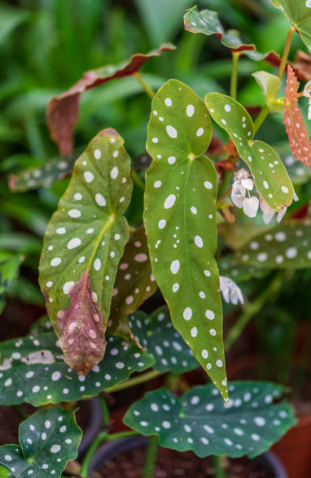
Understanding Angel Wing Begonias
Before diving into propagation techniques, it’s essential to understand a bit about these lovely plants.
What Makes Angel Wing Begonias Special?
- Unique Appearance: Named for their distinctive, asymmetrical leaves that resemble angel wings.
- Vibrant Blooms: Produce clusters of flowers in shades ranging from pale pink to fiery red.
- Versatility: Thrive both indoors and outdoors, making them perfect for various gardening setups.
“The first time I saw an Angel Wing Begonia, I was captivated by its elegance and knew I had to have it in my collection.”
Ideal Growing Conditions
To successfully propagate and grow healthy Angel Wing Begonias, providing the right environment is key.
- Light: Prefer bright, indirect sunlight. Too much direct sun can scorch the leaves.
- Temperature: Thrive in temperatures between 65°F and 75°F (18°C – 24°C).
- Humidity: Enjoy humid conditions but can adapt to average indoor humidity levels.
- Soil: Well-draining, rich soil is ideal. A mix of peat moss, perlite, and potting soil works wonders.
- Watering: Keep the soil consistently moist but not waterlogged. Allow the top inch to dry out between waterings.
Why Propagate Angel Wing Begonias?
Propagation isn’t just about multiplying plants; it’s an art and science that brings numerous benefits.
Benefits of Propagation
- Cost-Effective: Grow new plants without spending extra money.
- Sharing Joy: Gift propagated plants to friends and family.
- Plant Health: Propagation can rejuvenate older plants and promote healthier growth.
- Experimentation: Allows gardeners to experiment with different growing techniques and conditions.
“There’s nothing quite like watching a tiny cutting grow into a full, thriving plant under your care.”
Methods of Propagating Angel Wing Begonias
There are several effective methods to propagate Angel Wing Begonias. Let’s explore each technique in detail.
1. Stem Cuttings
Propagating through stem cuttings is my go-to method due to its high success rate and simplicity.
Selecting the Right Cutting
Choosing a healthy stem is the first step towards successful propagation.
- Health Check: Select a stem that is free from diseases and pests.
- Length: Aim for a cutting that’s about 4-6 inches long.
- Nodes: Ensure the stem has at least two nodes, as roots will emerge from these points.
- Leaves: Retain a couple of leaves at the top while removing the lower ones.
“I always choose stems that are robust and have shown vigorous growth, as they tend to root faster.”
Preparing the Cutting
Proper preparation sets the stage for successful rooting.
- Clean Cut: Use a sharp, sterilized knife or scissors to prevent infections.
- Angle Cut: Make a diagonal cut to increase the surface area for rooting.
- Drying: Allow the cutting to dry for a couple of hours to prevent rot when planted.
- Rooting Hormone (Optional): Dip the cut end into rooting hormone to stimulate faster root development.
Rooting the Cutting
You can root stem cuttings either in water or directly in soil. Let’s look at both methods.
Water Propagation
A simple and visually rewarding method.
Steps:
- Container: Fill a clear glass or jar with room-temperature water.
- Placement: Submerge the cut end ensuring nodes are underwater while leaves remain above.
- Environment: Place the container in a spot with bright, indirect light.
- Maintenance: Change water every few days to keep it fresh and prevent bacterial growth.
- Monitoring: Roots should start developing within 2-4 weeks.
Pros:
- Easy to monitor root growth.
- Lower risk of rot if water is changed regularly.
Cons:
- Transitioning from water to soil can sometimes stress the plant.
“Watching those first tiny roots emerge in water is always a thrilling experience for me.”
Soil Propagation
This method allows the cutting to establish directly in its growing medium.
Steps:
- Soil Mix: Prepare a well-draining mix (equal parts peat moss and perlite work well).
- Potting: Insert the cutting into the soil ensuring nodes are buried.
- Moisture: Water the soil lightly to keep it moist but not soggy.
- Covering: Create a mini greenhouse by covering the pot with a clear plastic bag to retain humidity.
- Light and Temperature: Place in a warm area with indirect light.
- Monitoring: Check moisture levels regularly and look for new growth as a sign of successful rooting.
Pros:
- Plants acclimate faster to soil conditions.
- Less shock during growth transition.
Cons:
- Root development is hidden, making it harder to monitor progress.
“I often opt for soil propagation when I want the new plants to have a stronger, more resilient root system from the get-go.”
2. Leaf Cuttings
An alternative method that’s both fun and effective, especially when you have limited stem material.
Choosing the Perfect Leaf
Selecting the right leaf ensures better chances of success.
- Health: Pick a mature, healthy leaf free from blemishes.
- Size: Larger leaves tend to produce better results.
- Stem Inclusion: Leave a small portion of the petiole (leaf stem) attached.
Rooting Process
Follow these steps to propagate using leaf cuttings.
Steps:
- Preparation: Cut the leaf with a sharp, sterilized blade.
- Soil Mix: Prepare a moist, well-draining medium similar to stem cuttings.
- Planting: Insert the petiole into the soil, ensuring the leaf blade is above the surface.
- Humidity: Cover with a plastic bag or place in a propagation tray with a lid to maintain moisture.
- Light: Place in bright, indirect light.
- Waiting Game: Be patient; new plantlets will emerge at the base after several weeks.
Pros:
- Efficient use of plant material.
- Can produce multiple new plants from one leaf.
Cons:
- Generally slower than stem cuttings.
- Slightly lower success rate.
“Leaf propagation feels like magic to me – seeing a whole new plant sprout from a single leaf never gets old.”
3. Division Method
Ideal for mature, bushy plants that need rejuvenation.
When to Divide
Timing is crucial for the health of both the parent and new plants.
- Best Season: Early spring or late summer when the plant is actively growing.
- Signs: When the plant becomes too large for its pot or shows reduced vigor.
How to Divide Properly
Handle with care to ensure successful division.
Steps:
- Preparation: Water the plant thoroughly a day before to ease removal.
- Removal: Gently remove the plant from its pot.
- Separating: Carefully separate the root ball into sections using your hands or a clean knife.
- Potting: Plant each section into individual pots with fresh, well-draining soil.
- Aftercare: Water lightly and keep in a shaded area until established.
Pros:
- Quick way to produce larger plants.
- Helps rejuvenate and declutter overcrowded plants.
Cons:
- Risk of root damage if not done carefully.
“Dividing my overgrown Angel Wing Begonia not only gave me more plants but also brought back vigor to the original mother plant.”
Caring for Your New Begonias
Post-propagation care is vital to ensure your new plants thrive.
Providing Optimal Conditions
- Light: Maintain consistent, indirect light to encourage growth.
- Watering: Keep the soil moist but avoid overwatering which can lead to rot.
- Fertilizing: Once established, feed with a balanced, water-soluble fertilizer every 4-6 weeks.
- Humidity: Use a humidity tray or mist regularly to mimic their natural environment.
“I find that a little extra attention during the early stages goes a long way in developing strong, healthy plants.”
Common Issues and Solutions
Yellowing Leaves
- Cause: Overwatering or insufficient light.
- Solution: Adjust watering schedule and ensure adequate light exposure.
Wilting
- Cause: Underwatering or root issues.
- Solution: Check soil moisture and roots; water appropriately and ensure proper drainage.
Powdery Mildew
- Cause: High humidity and poor air circulation.
- Solution: Improve air flow, reduce humidity slightly, and treat with a fungicide if necessary.
“Don’t be discouraged by minor setbacks; every issue is a learning opportunity in the gardening journey.”
My Personal Tips and Tricks
Over the years, I’ve picked up a few handy tips that have boosted my propagation success rates.
- Patience is Key: Rushing the process can lead to mistakes. Give your cuttings time to root and establish.
- Clean Tools: Always use sterilized tools to prevent disease transmission.
- Labeling: Keep track of propagation dates and methods by labeling your pots. It helps in monitoring progress and learning what works best.
- Experiment: Don’t be afraid to try different propagation methods to see which suits you and your plants best.
- Share and Learn: Engage with other gardeners. Sharing experiences and plants can enrich your gardening journey immensely.
“Some of my most successful propagations have come from experimenting and learning from both successes and failures.”
Conclusion
Propagating Angel Wing Begonias is a rewarding and enriching experience that allows you to expand your garden, share the beauty with others, and deepen your connection with nature. Whether you’re a seasoned gardener or a beginner, these methods offer a fun and effective way to grow your collection. Remember, each plant carries a story of care and patience, making your garden not just a display of beauty but also a reflection of your dedication and love for gardening.
“Every new plant I propagate feels like a new chapter in my gardening story, filled with anticipation and joy as I watch it grow and flourish.”
Happy gardening, and may your Angel Wing Begonias bring you as much joy as they have brought me!
