
The Rhaphidophora tetrasperma, often mistaken for the Monstera, is a beloved houseplant known for its unique, split leaves and rapid growth. However, one issue that many plant enthusiasts encounter is yellowing leaves. If you’ve noticed this happening to your plant, don’t panic! In this article, we’ll dive deep into why your Rhaphidophora tetrasperma may have yellow leaves and what you can do to restore it to full health.
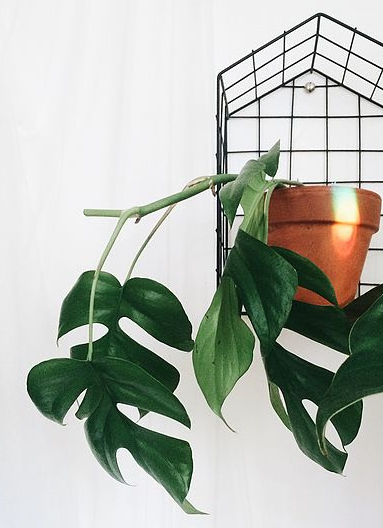
Understanding Rhaphidophora Tetrasperma Yellow Leaves
Common Causes of Yellow Leaves
Yellowing leaves can be a signal that your Rhaphidophora tetrasperma is stressed. Here are the most common reasons:
- Overwatering: The number one culprit behind yellow leaves. Rhaphidophora tetrasperma prefers well-draining soil and infrequent watering. Overwatering can lead to root rot, which manifests as yellow leaves.
- Underwatering: On the flip side, if the plant isn’t getting enough water, it may start to shed its leaves, beginning with the yellowing of older foliage.
- Insufficient Light: This plant thrives in bright, indirect light. If placed in a dimly lit area, the leaves may yellow as the plant struggles to photosynthesize efficiently.
- Nutrient Deficiency: A lack of essential nutrients, especially nitrogen, can lead to yellow leaves. Ensure your plant is receiving a balanced fertilizer during the growing season.
- Pests: Common pests like spider mites and aphids can sap the plant’s vitality, leading to yellowing leaves.
Solutions to Revive Your Rhaphidophora Tetrasperma
Proper Watering Techniques
Watering is a balancing act. Here’s how to get it right:
- Check the Soil Moisture: Use your finger to test the soil’s moisture level. Water only when the top 2 inches are dry.
- Improve Drainage: If your soil is retaining too much water, consider repotting your plant with a mix that includes perlite or orchid bark to improve drainage.
- Regular Monitoring: Especially during the winter months, reduce watering frequency as the plant’s growth slows down.
Author’s Tip: I’ve found that using a moisture meter has greatly helped me avoid overwatering my plants. It takes the guesswork out of the equation, ensuring my Rhaphidophora stays healthy and green.
Light and Placement
Light is crucial for the health of your Rhaphidophora tetrasperma:
- Optimal Light Conditions: Place your plant in a spot where it receives bright, indirect sunlight. A north or east-facing window works well.
- Avoid Direct Sunlight: Direct sunlight can scorch the leaves, leading to yellowing and browning. If necessary, use sheer curtains to diffuse the light.
- Rotate Your Plant: To encourage even growth, rotate the plant every few weeks so all sides receive equal light exposure.
Nutrient Management
Feeding your plant can make a significant difference:
- Balanced Fertilizer: Use a balanced, water-soluble fertilizer every 4-6 weeks during the growing season. I prefer using a 20-20-20 fertilizer, which has kept my plants lush and green.
- Watch for Overfeeding: Over-fertilizing can cause salt buildup in the soil, which might lead to leaf burn and yellowing. If you notice this, flush the soil with water to remove excess salts.
Pest Control
Keeping pests at bay is crucial for maintaining healthy leaves:
- Regular Inspection: Check the undersides of leaves and stems for signs of pests like spider mites or aphids.
- Natural Remedies: If you spot any, try spraying the plant with neem oil or a mixture of water and mild soap to eliminate them.
Author’s Experience: I had a case of spider mites on my Rhaphidophora tetrasperma once. A thorough treatment with neem oil, followed by a week of isolation from other plants, resolved the issue without further damage.
Preventing Future Yellowing
Consistent Care Routine
Establishing a consistent care routine can prevent future issues:
- Set a Watering Schedule: Use reminders or apps to keep track of your watering schedule, adjusting it according to the seasons.
- Regular Fertilization: Don’t skip feeding during the growing season, but ease off in the winter.
Environment Management
Creating the right environment is key:
- Humidity: Rhaphidophora tetrasperma prefers a humid environment. If you live in a dry area, consider using a humidifier or placing a tray of water near the plant.
- Temperature: Keep the plant in a stable environment, ideally between 65-80°F. Avoid drafts and sudden temperature changes.
Conclusion
Yellow leaves on your Rhaphidophora tetrasperma can be a source of concern, but with the right knowledge and care, you can easily address the issue. By understanding the causes and implementing the solutions outlined above, you’ll ensure your plant thrives. Remember, plants are resilient, and with a little attention, your Rhaphidophora tetrasperma will reward you with lush, green foliage.
Author’s Final Thought: In my experience, consistency is key when caring for houseplants. Whether it’s watering, feeding, or monitoring light conditions, establishing a routine and sticking to it will always yield the best results. Happy gardening!
