
When it comes to cultivating a lush, healthy lawn, the type of grass seed you choose is critical. Scotts Midwest Mix is a popular choice among homeowners in the Midwest region, designed to withstand the unique climate conditions found there. But is it the right choice for your lawn? Let’s dive into the details and explore what makes this seed mix stand out, along with my own experiences using it.
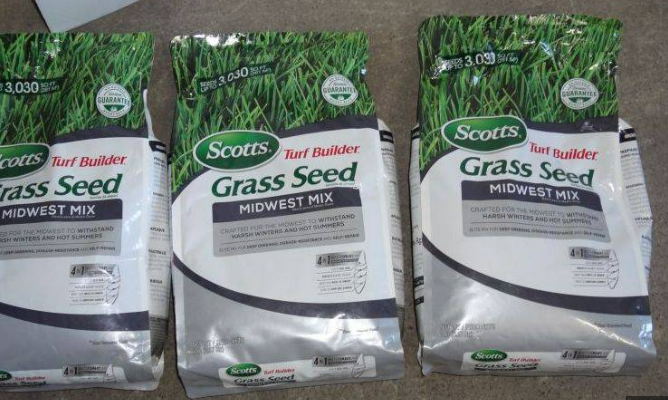
What Is Scotts Midwest Mix?
Scotts Midwest Mix is a specialized blend of grass seeds tailored to thrive in the Midwestern United States. This region experiences hot summers, cold winters, and varying levels of rainfall, so a resilient grass variety is essential. The mix usually includes a combination of Kentucky bluegrass, perennial ryegrass, and fine fescue, all selected for their durability and ability to maintain a thick, green lawn throughout the growing season.
Key Features of Scotts Midwest Mix
- Drought Resistance: Ideal for areas that experience inconsistent rainfall.
- Cold Tolerance: Thrives even in the colder months.
- Quick Germination: Grows faster compared to some other mixes.
- High Traffic Durability: Great for families with pets or kids playing on the lawn.
These traits make Scotts Midwest Mix particularly attractive for homeowners who want a low-maintenance but beautiful lawn.
My Personal Experience with Scotts Midwest Mix
As someone who lives in the Midwest and has experimented with different grass seed mixes, I can confidently say that Scotts Midwest Mix lives up to its reputation. I first used it in my backyard, which is a high-traffic area with both pets and kids running around. The results were impressive – the grass grew in thick and healthy, withstanding everything we threw at it.
What I Noticed:
- Fast Germination: Within about a week, I noticed small blades of grass sprouting. This was faster than I had experienced with other grass seed mixes.
- Drought Tolerance: We went through a bit of a dry spell one summer, and while some parts of my yard showed signs of stress, the area where I used Scotts Midwest Mix stayed green longer.
- Winter Resilience: After a brutal winter, I was pleased to see that the grass came back strong in the spring without much intervention.
In short, it has been a solid performer in my lawn care routine, and I often recommend it to fellow Midwesterners.
How to Use Scotts Midwest Mix for Best Results
Soil Preparation
Before planting any grass seed, preparing your soil is essential for healthy growth. I always recommend aerating your lawn first. This helps the seeds make better contact with the soil and promotes deeper root growth.
- Remove any debris like rocks or large clumps of dead grass.
- Loosen the topsoil using a rake to create a smooth planting surface.
- Consider adding compost to enrich the soil, especially if you have clay-heavy soil.
Seed Application
Once your soil is prepped, you can spread the seed. Scotts Midwest Mix works well with a broadcast spreader, which helps distribute the seeds evenly across your lawn.
- Use a spreader set to the correct settings for the seed mix.
- Water the area lightly after seeding to help the seeds settle into the soil.
- Keep the soil moist for the first couple of weeks to encourage germination.
In my experience, the key is consistency. Watering lightly every day for the first two weeks helped ensure strong, healthy germination.
Maintenance Tips
Once the grass has grown, maintaining it is just as important as planting. Here’s what has worked best for me:
- Mow high: Keep your grass at a height of 2.5-3 inches. Taller grass shades the soil, reducing evaporation and encouraging deeper root growth.
- Water deeply: Instead of frequent, shallow watering, aim for deeper, more infrequent watering sessions. This encourages the roots to grow deeper and makes the grass more drought-resistant.
- Fertilize as needed: I apply fertilizer twice a year – once in the spring and once in the fall – to keep my lawn looking its best.
Common Problems and How to Solve Them
Patchy Growth
If you notice uneven or patchy growth, don’t worry! This is common with grass seed, especially in areas with foot traffic. I’ve found that overseeding these spots after about six weeks can help fill in the gaps.
Thatch Build-Up
Thatch, a layer of dead grass and roots, can sometimes build up on your lawn, preventing water and nutrients from reaching the soil. I recommend using a power rake or dethatcher in the fall to remove this layer and keep your lawn healthy.
Pro Tip: I like to dethatch my lawn every 2-3 years to keep the grass vibrant and minimize the chances of disease.
Why Choose Scotts Midwest Mix Over Other Grass Seed Blends?
The reason I favor Scotts Midwest Mix, aside from my personal success with it, is its unique ability to handle the diverse and sometimes challenging weather conditions of the Midwest. While other grass seed mixes might do well in a more temperate climate, Scotts Midwest Mix is formulated specifically for the Midwest’s hot summers and cold winters.
Additional Benefits:
- Low Maintenance: It requires less frequent watering once established, which is great for those who want a nice lawn without constant upkeep.
- Versatile: Works well in both sunny and shady areas, which is perfect for my yard that has a mix of both.
Final Thoughts
If you’re a Midwesterner like me and are looking for a grass seed that can handle the heat, cold, and everything in between, Scotts Midwest Mix is an excellent choice. Its quick germination, drought tolerance, and year-round resilience make it a go-to option for many homeowners in the region. Plus, from my own experience, it’s been a fantastic solution for keeping my lawn looking green and healthy, even with pets, kids, and less-than-perfect weather.
