
Onions are a garden staple, adding flavor and depth to countless dishes. But if you’ve ever wondered, “When are onions ready to harvest?” you’re not alone. Harvesting onions at the right time ensures that you get the most out of your crop, with robust flavors and long-lasting storage potential. In this article, I’ll walk you through the key signs to look for, share my own gardening experiences, and offer some tips to make sure your onion harvest is a success.
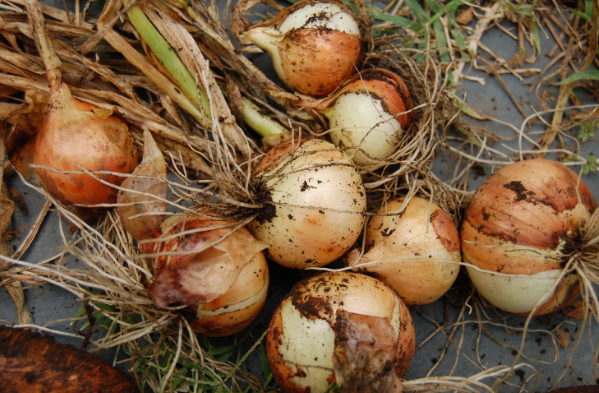
Understanding the Onion Growth Cycle
The Basics of Onion Growth
Onions have a unique growth cycle that sets them apart from other garden vegetables. They start as small sets or seeds, then grow into bulbs as the season progresses. The key to a successful harvest lies in understanding when the bulb is fully mature.
The Importance of Daylight
Onions are day-length sensitive, meaning the amount of daylight they receive influences when they begin to form bulbs. There are two main types of onions:
- Long-day onions: Require 14-16 hours of daylight, ideal for northern climates.
- Short-day onions: Need 10-12 hours of daylight, better suited for southern regions.
Knowing which type you’re growing will help you estimate when your onions will be ready to harvest.
Signs Your Onions Are Ready to Harvest
The Foliage Tells the Story
The first and most obvious sign that onions are ready to harvest is the state of their foliage. As onions mature, their green tops will begin to yellow and eventually fall over. This is a natural part of the growth cycle and indicates that the bulb has reached its full size.
- Yellowing leaves: When you notice about 50-75% of the onion tops have turned yellow and started to flop over, it’s a good indicator that the onions are ready to be pulled.
- Timing: This typically occurs in late summer, around 100-120 days after planting, depending on the variety and growing conditions.
Author’s Tip: “In my garden, I keep a close eye on the onion tops. Once they start to yellow and droop, I stop watering to allow the bulbs to mature and dry out a bit before harvesting.”
The Size of the Bulb
Another way to tell if your onions are ready to harvest is by gently lifting one or two from the soil to check their size. Fully mature onions will have a well-formed bulb that’s firm to the touch.
- Firmness: The bulb should feel solid, not squishy.
- Size: Depending on the variety, mature onions should be about the size of a baseball or larger.
The Neck Softens
As onions reach maturity, the neck (where the stem meets the bulb) will begin to soften and dry out. This is a clear sign that the onion is ready to be harvested.
- Check the neck: If it’s soft and starts to shrivel, it’s time to start pulling your onions.
How to Harvest Onions
The Right Technique
Harvesting onions is relatively straightforward, but there are a few tips to ensure you do it correctly:
- Loosen the soil: Use a garden fork to gently loosen the soil around the bulbs, being careful not to puncture them.
- Pull gently: Grasp the onion tops near the base and gently pull the bulbs out of the ground.
- Drying: Lay the onions out in the garden for a day or two to dry in the sun. This helps the outer skins toughen up, which is essential for storage.
Author’s Advice: “I always try to harvest on a dry, sunny day. This helps prevent rot and makes drying the onions easier.”
Post-Harvest Tips
Curing for Storage
Once your onions are harvested, it’s important to cure them properly to ensure they store well.
- Drying process: Move the onions to a dry, well-ventilated area out of direct sunlight. Spread them out in a single layer, and let them cure for 2-3 weeks.
- Check for rot: Discard any onions that show signs of rot or damage, as they can spoil the others.
Storing Your Onions
After curing, cut off the dried tops, leaving about an inch of stem. Store the onions in a cool, dry place with good air circulation.
- Storage tips: Mesh bags, crates, or hanging baskets work well for onion storage. Avoid storing them in plastic bags, as this can lead to moisture buildup and rot.
- Shelf life: Properly cured and stored onions can last several months, providing you with fresh onions well into the winter.
Common Mistakes to Avoid
Harvesting Too Early
One of the most common mistakes new gardeners make is harvesting onions too early. Immature onions won’t store well and may not have developed their full flavor.
- Patience is key: Wait until the tops have flopped over and the necks have softened before pulling your onions.
Not Curing Properly
Skipping the curing process can lead to onions rotting in storage. Make sure to allow enough time for the onions to dry and toughen up before storing them.
- Cure thoroughly: This step is crucial for long-term storage.
My Personal Experience
I’ve been growing onions for years, and I’ve learned that timing is everything when it comes to harvesting. I’ve had seasons where I was too eager and pulled my onions early, only to find that they didn’t store well or had a bland taste. On the other hand, waiting just a bit longer until the tops were fully down and the necks softened made all the difference in flavor and storage life.
Conclusion
Knowing when onions are ready to harvest is essential for any gardener who wants to get the most out of their crop. By paying attention to the signs—yellowing tops, bulb size, and softening necks—you can ensure that your onions are harvested at the perfect time. Remember, patience and proper curing are key to enjoying your onions for months to come. Happy gardening!
