
Lawn thatch might sound like a small issue, but it can quickly turn into a major headache for homeowners striving for a lush, green lawn. If you’ve noticed your grass feeling spongy underfoot or patches of it dying off despite your best efforts, you might be dealing with thatch. But what exactly is thatch, and why is it such a common problem in many lawns? Let’s dive in.
What is Lawn Thatch?
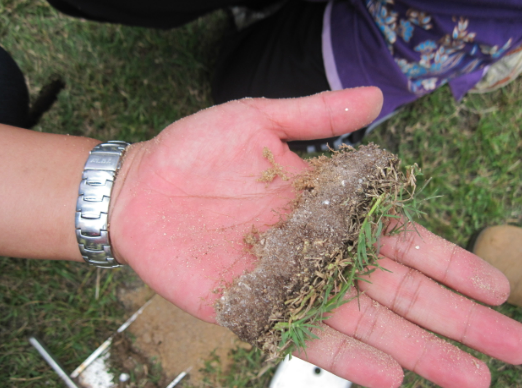
Thatch is a layer of dead and living organic matter that accumulates between the soil and the green vegetation above it. Composed mainly of dead grass stems, roots, and other organic debris, thatch forms naturally over time. While a thin layer of thatch (about ½ inch) can actually benefit your lawn by protecting the soil and roots from temperature extremes, excessive thatch (over 1 inch) can become problematic.
Causes of Lawn Thatch
Understanding what causes thatch to build up is key to managing it effectively. Here are the primary culprits:
- Over-fertilization: Applying too much nitrogen-rich fertilizer can encourage rapid grass growth, leading to more organic material than the soil microbes can break down.
- Poor Soil Aeration: Compacted soil restricts the flow of air, water, and nutrients, which can inhibit the microbial activity needed to decompose organic matter.
- Irrigation Practices: Overwatering your lawn can lead to a shallow root system, making it easier for thatch to accumulate.
- Grass Type: Some grass species, like Kentucky bluegrass and Bermuda grass, are more prone to thatch buildup due to their growth habits.
The Downsides of Excessive Thatch
When thatch builds up beyond a healthy level, it can create several issues:
- Reduced Water Penetration: Thatch can act like a sponge, absorbing water and preventing it from reaching the soil, leading to shallow roots and drought stress.
- Nutrient Deficiency: A thick thatch layer can block essential nutrients from reaching the root zone, weakening your lawn over time.
- Pest and Disease Issues: Thatch provides a perfect environment for pests and diseases to thrive, further damaging your lawn.
How to Measure Lawn Thatch
Before jumping into remedies, it’s important to determine whether thatch is indeed the problem. To measure thatch:
- Cut a Small Section of Turf: Use a spade or knife to remove a small section of your lawn about 3 inches deep.
- Examine the Thatch Layer: Measure the thickness of the thatch layer between the soil and green vegetation. If it’s more than ½ inch, you have a thatch problem.
Effective Remedies for Lawn Thatch
Once you’ve identified thatch, it’s time to take action. Here are some proven methods to manage and reduce thatch:
- Core Aeration: Aerating your lawn involves removing small plugs of soil to improve air, water, and nutrient movement. This encourages microbial activity that breaks down thatch.
- Dethatching Rake: For smaller lawns or minor thatch problems, a manual dethatching rake can help remove thatch without damaging your lawn.
- Power Dethatching: For larger lawns or severe thatch issues, renting a power dethatcher is an effective way to break up and remove the thatch layer.
- Topdressing: Applying a thin layer of compost or soil over your lawn can help encourage thatch decomposition by introducing beneficial microbes.
- Adjusting Mowing Practices: Mow at the proper height and frequency to avoid excessive thatch buildup. Also, consider using a mulching mower, which chops grass clippings into finer pieces that decompose more quickly.
Preventing Future Thatch Build-Up
Prevention is always better than cure. Here are some tips to keep thatch from becoming a problem in the future:
- Proper Fertilization: Avoid over-fertilizing your lawn. Use a slow-release fertilizer to provide a steady supply of nutrients without promoting excessive growth.
- Regular Aeration: Make aeration a regular part of your lawn care routine to maintain healthy soil and prevent compaction.
- Smart Watering: Water deeply and infrequently to encourage deep root growth and reduce the chances of thatch accumulation.
- Choose the Right Grass: If you’re planting a new lawn, consider grass varieties that are less prone to thatch buildup.
Conclusion: A Thatch-Free Lawn is Within Reach
Managing lawn thatch requires a combination of good practices and timely interventions. By understanding the causes of thatch, recognizing the signs, and applying the right remedies, you can maintain a healthy, vibrant lawn. As a fellow gardening enthusiast, I’ve found that a proactive approach is key. Regular monitoring and maintenance can keep thatch from becoming a problem in the first place. Remember, a little effort now can save you a lot of work later!
