
Hey there, fellow garden enthusiasts! Today, let’s chat about a topic close to my heart – the joys and benefits of incorporating native plants into your garden. Whether you’re a seasoned green thumb or just starting out, there’s something magical about working with plants that belong right where you live. Grab a cup of coffee, sit back, and let’s dive in!
What Are Native Plants?
Native plants are species that have naturally evolved in a particular region over thousands of years. They’ve adapted to the local climate, soil, and other environmental conditions. Unlike exotic plants that may struggle to adapt, native plants are well-suited to thrive without much fuss. Think of them as the old-timers who know all the best spots in town!

Benefits of Native Plants
1. Low Maintenance
One of the biggest perks of native plants is how easy they are to care for. Here’s why:
- Adapted to Local Climate: They’re used to the weather patterns, whether it’s blazing summers or frosty winters.
- Less Watering: Many native plants require less water once established. Your garden will flourish without constant watering.
- Fewer Pesticides: Because they’re adapted to local pests and diseases, you won’t need to douse them in chemicals.
2. Environmentally Friendly
Going native is a big win for the environment. Here’s how:
- Supports Local Wildlife: Native plants provide food and habitat for birds, bees, butterflies, and other critters.
- Reduces Invasive Species: By planting natives, you help curb the spread of invasive species that can choke out local flora.
- Improves Soil Health: Native plants often have deep root systems that enhance soil structure and health.
3. Cost-Effective
Who doesn’t like saving a few bucks? Native plants can be kinder to your wallet:
- Less Water and Fertilizer: Save on water bills and expensive fertilizers.
- Minimal Maintenance Costs: Fewer replacements, less pruning, and less hassle.
- Longevity: Native plants are tough and tend to live longer, meaning fewer trips to the garden center.
4. Beautiful and Diverse
Don’t think for a second that going native means sacrificing beauty. Here’s why they’re gorgeous additions:
- Variety of Colors and Textures: Native plants come in all shapes, sizes, and colors.
- Seasonal Interest: Many native plants offer seasonal blooms, stunning foliage, and winter interest.
- Unique Local Flair: Your garden will have a unique character that reflects the local landscape.
Popular Native Plants for Your Region
While the best native plants vary by region, here are some favorites across various zones. Check your local extension office for specifics!
Northeast
| Plant Name | Type | Benefits |
|---|---|---|
| Purple Coneflower | Perennial | Attracts pollinators |
| Red Maple | Tree | Stunning fall foliage |
| New England Aster | Perennial | Late-season blooms |
Midwest
| Plant Name | Type | Benefits |
|---|---|---|
| Black-eyed Susan | Perennial | Drought-tolerant, long bloom period |
| Prairie Dropseed | Grass | Adds texture, low maintenance |
| Wild Bergamot | Perennial | Attracts bees and butterflies |
South
| Plant Name | Type | Benefits |
|---|---|---|
| Coral Honeysuckle | Vine | Attracts hummingbirds |
| Southern Magnolia | Tree | Iconic blooms, evergreen |
| Blanket Flower | Perennial | Heat and drought-tolerant |
West
| Plant Name | Type | Benefits |
|---|---|---|
| California Poppy | Annual | Vibrant blooms, low water need |
| Manzanita | Shrub | Evergreen, beautiful bark |
| Yarrow | Perennial | Drought-tolerant, medicinal uses |

Tips for Starting Your Native Plant Garden
1. Do Your Homework
Before you dig in, research native plants suitable for your region. Check out local nurseries or native plant societies for advice and plant availability.
2. Start Small
If you’re new to native gardening, start with a small area. You can always expand as you become more confident.
3. Group Plants Wisely
Group plants with similar water, soil, and light requirements together. This makes maintenance easier and ensures your plants thrive.
4. Be Patient
Native plants might take a little longer to establish than some exotics, but trust me, they’re worth the wait. Once they’re settled, they’ll reward you with years of beauty.
5. Avoid Pesticides
Since native plants are adapted to local pests, they often need fewer chemicals. Try to keep your garden as organic as possible to support local wildlife.
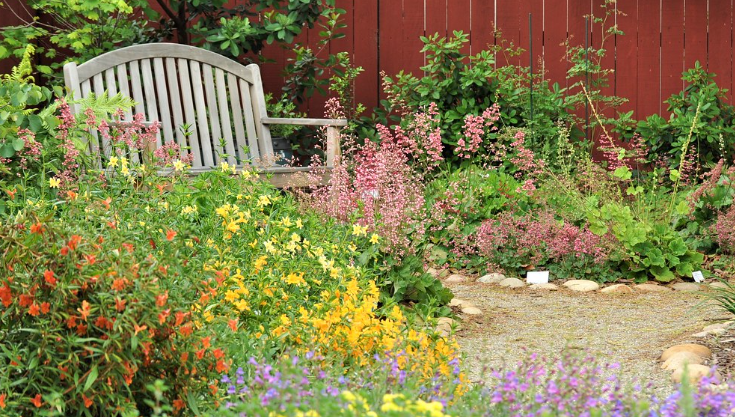
Incorporating native plants into your garden is a fantastic way to create a beautiful, low-maintenance, and environmentally friendly space. Whether you’re drawn to their ease of care, their support for local wildlife, or their cost savings, there’s no denying that native plants are a gardener’s best friend. So, why not give it a try? Your garden – and your local ecosystem – will thank you.
Happy gardening, my friends!
