
Rock gardens are a fantastic way to showcase unique, hardy plants in a low-maintenance, visually appealing environment. To create a rock garden that truly stands out, it’s essential to select the perfect plants. In this comprehensive guide, I will explore the best plants for a rock garden, covering different categories and providing valuable tips for cultivating a thriving, captivating garden.
Section 1: Succulents – Hardy, Eye-Catching Plants for Your Rock Garden
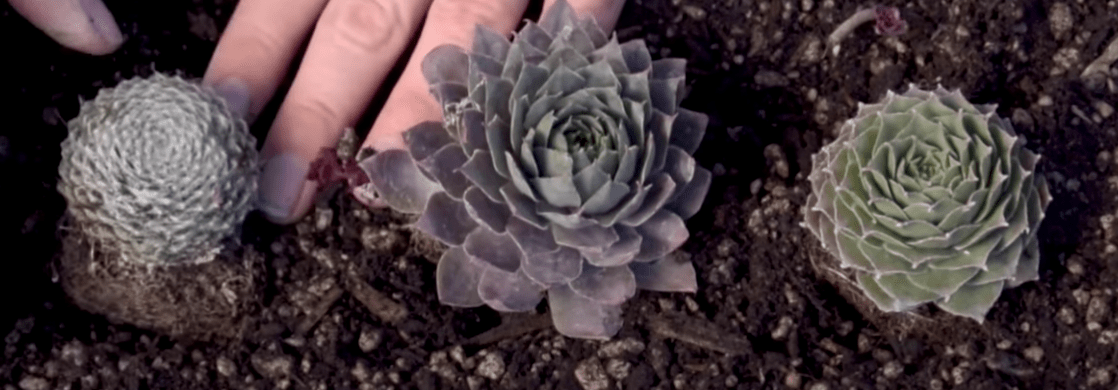
- Sempervivum (Hens and Chicks): These low-growing rosette-shaped plants are perfect for rock gardens due to their drought tolerance and attractive appearance. They reproduce by producing offsets, allowing them to spread and fill in gaps between rocks.
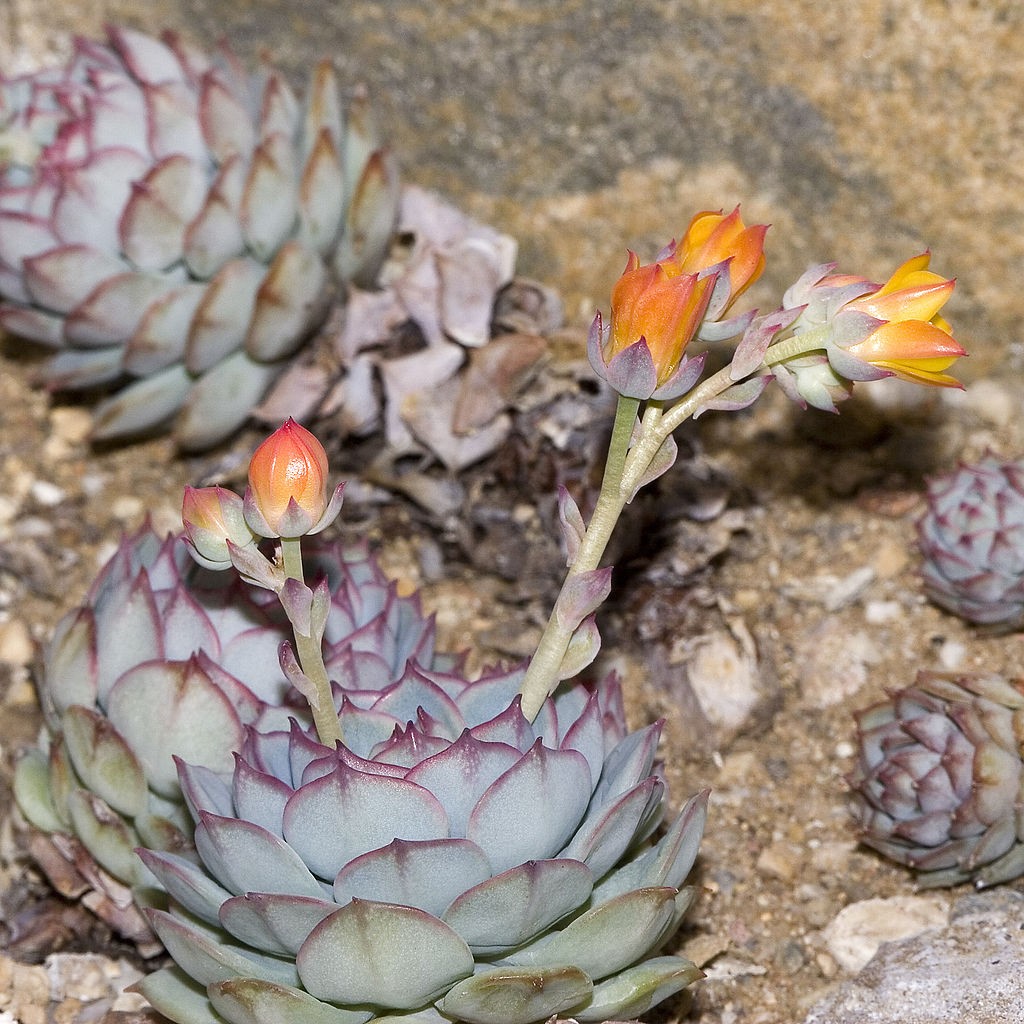
- Echeveria: Another rosette-forming succulent, Echeveria is prized for its stunning colors and shapes. With proper care, these plants can provide year-round interest in a rock garden.
- Sedum (Stonecrop): Sedums are versatile, drought-tolerant plants that thrive in rock gardens. They come in various forms, from creeping ground covers to upright clumps, offering diverse textures and colors.

Section 2: Perennials – Long-Lived Beauties for a Lush Rock Garden
- Dianthus (Carnations or Pinks): Dianthus plants boast eye-catching flowers and a lovely fragrance, making them a popular choice for rock gardens. They prefer well-drained soil and full sun, making them ideal for rocky landscapes.
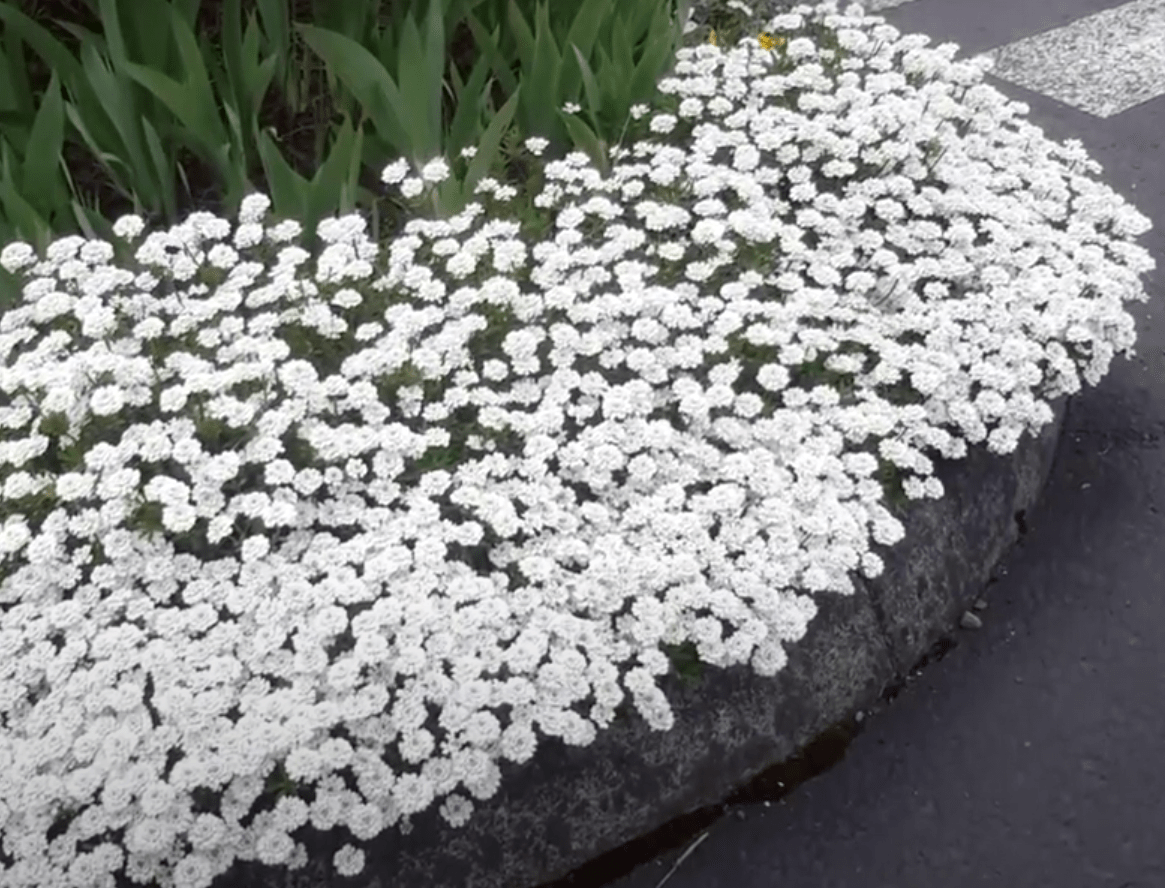
- Iberis (Candytuft): This evergreen perennial is known for its showy white flowers that bloom in spring. Its low, spreading growth habit makes it an excellent choice for filling in spaces between rocks.
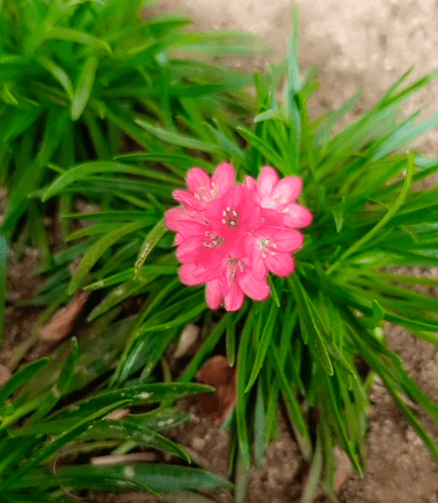
- Armeria maritima (Sea Thrift): This compact perennial offers round clusters of pink or white flowers atop slender stems. It thrives in rocky, sandy soil and is ideal for coastal rock gardens.

Section 3: Ground Covers – Versatile, Low-Maintenance Plants for a Carpet of Green
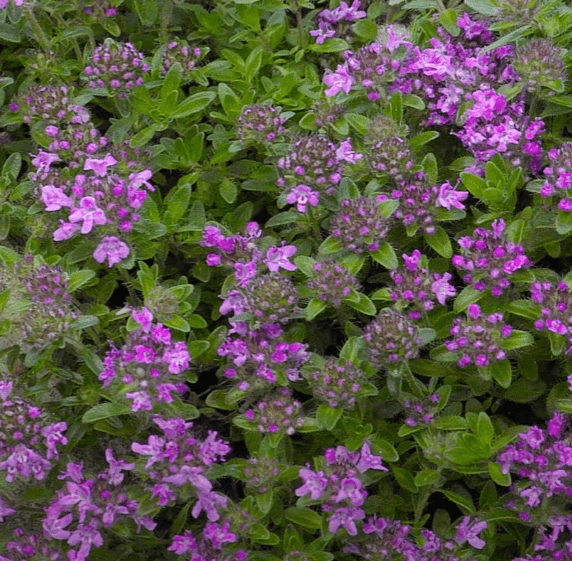
- Thymus serpyllum (Creeping Thyme): This aromatic, low-growing herb creates a dense mat of small, green leaves and produces tiny purple flowers in the summer. It’s an excellent choice for filling in gaps and softening the edges of a rock garden.
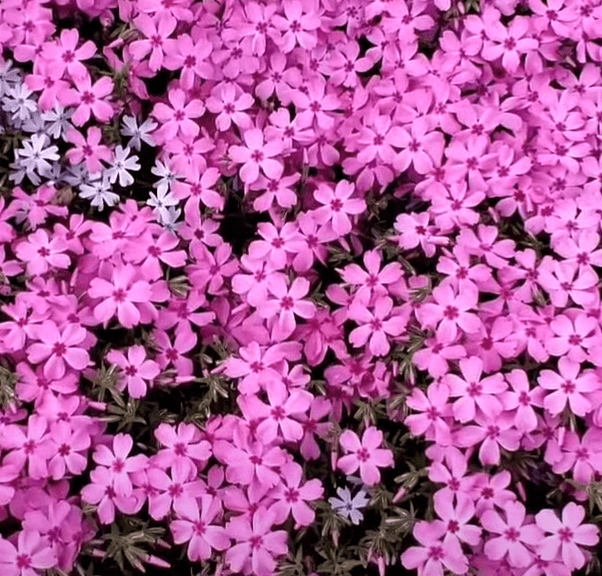
- Phlox subulata (Creeping Phlox): This perennial ground cover is adorned with masses of colorful flowers in spring. It spreads quickly, making it an ideal choice for covering large areas in a rock garden.
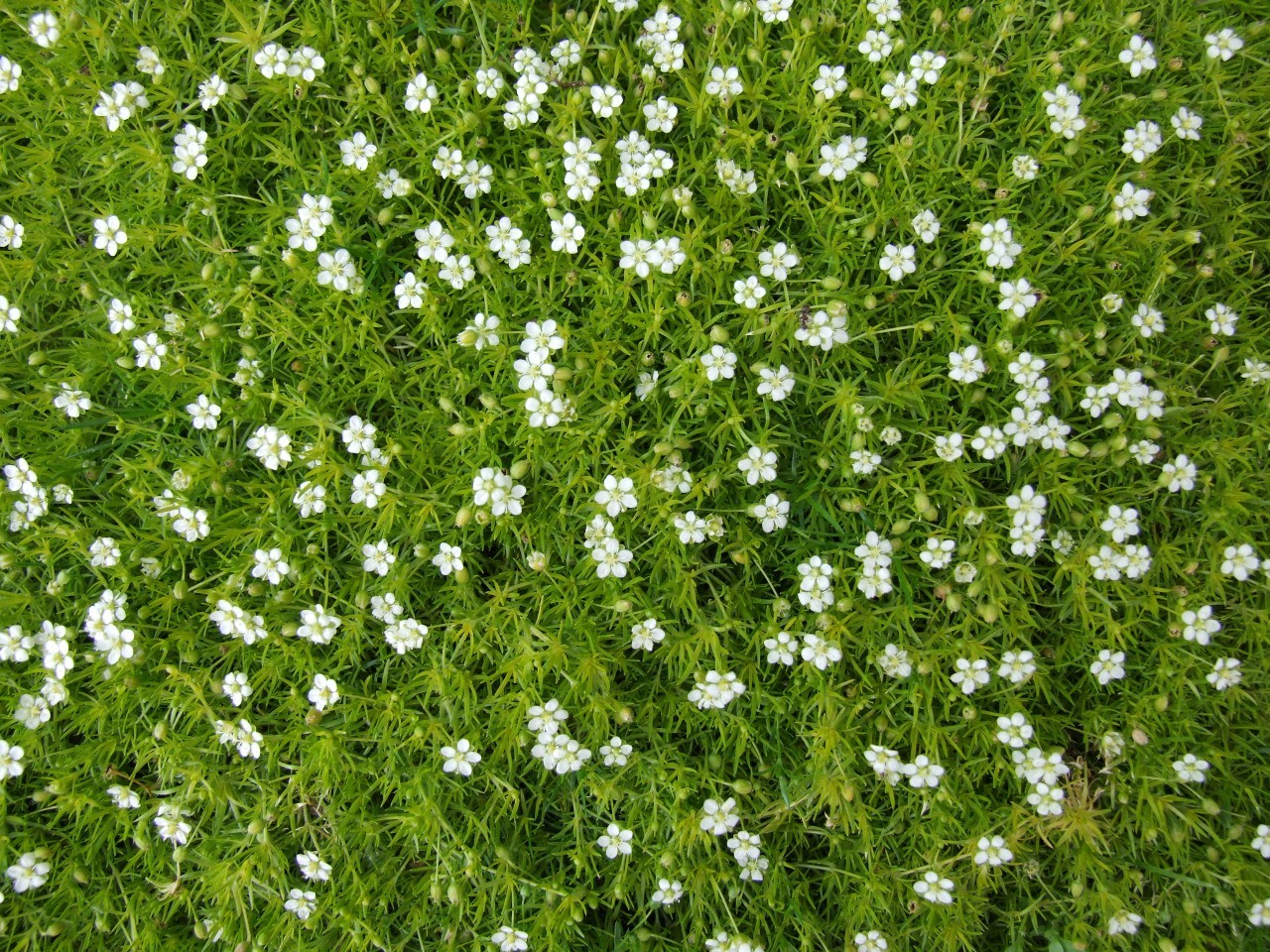
- Sagina subulata (Irish Moss): This low-growing, moss-like plant forms a dense carpet of tiny green leaves. It’s perfect for creating a lush, green backdrop in a rock garden.
Section 4: Alpine Plants – High-Altitude Stars for a Striking Rock Garden
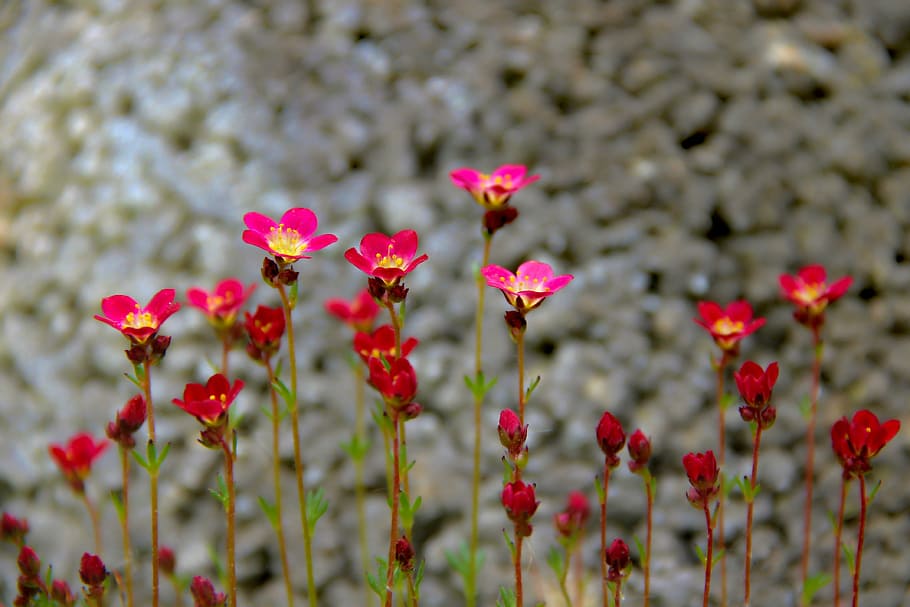
- Saxifraga (Saxifrage): These charming alpine plants feature compact foliage and delicate flowers, making them perfect for rock gardens. They prefer well-drained soil and come in various forms, colors, and sizes, allowing you to create a unique and attractive display.
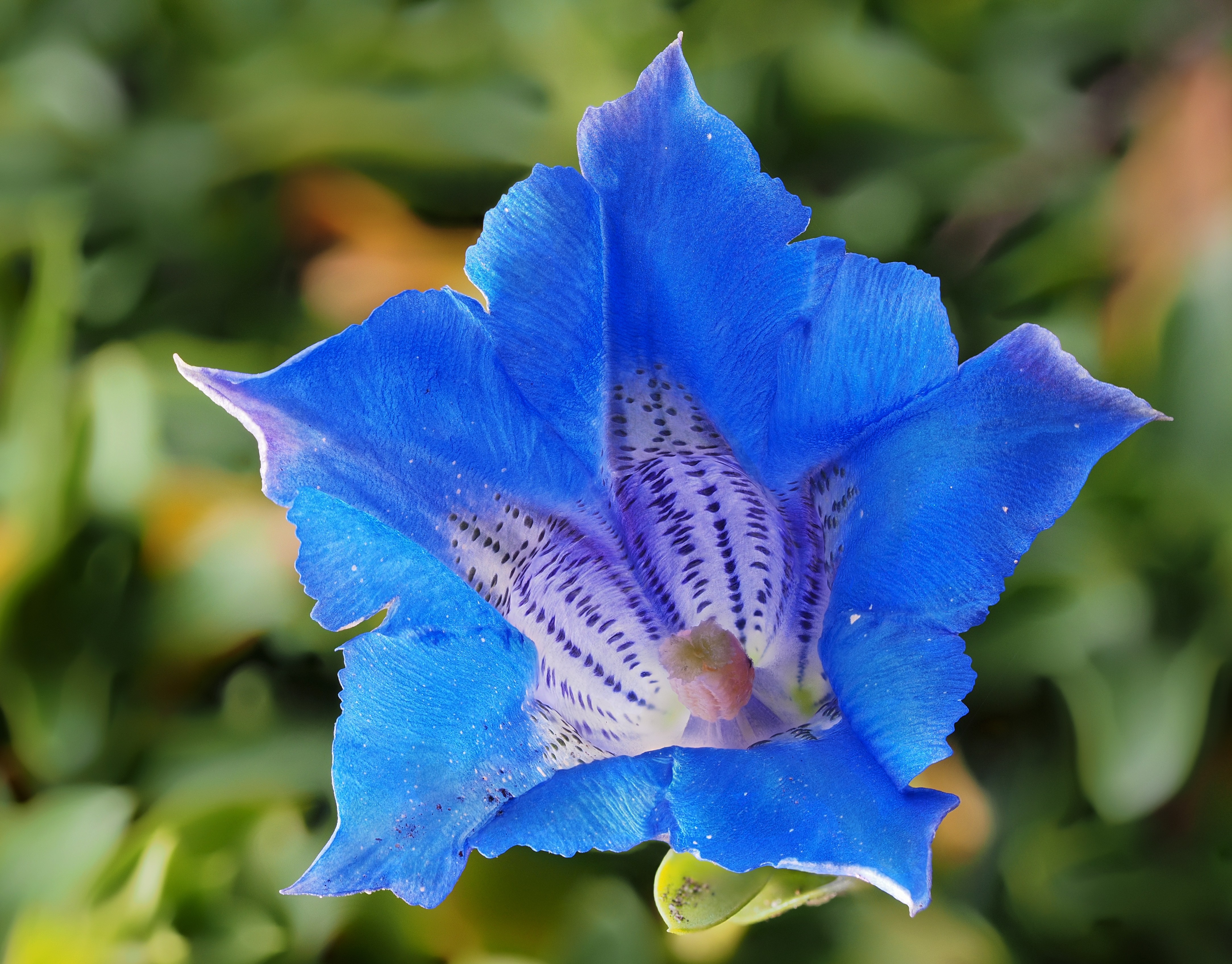
- Gentiana (Gentian): Known for their striking, trumpet-shaped flowers, gentians thrive in well-drained, rocky soil. They provide a bold pop of color in a rock garden and are well-suited for high-altitude environments.
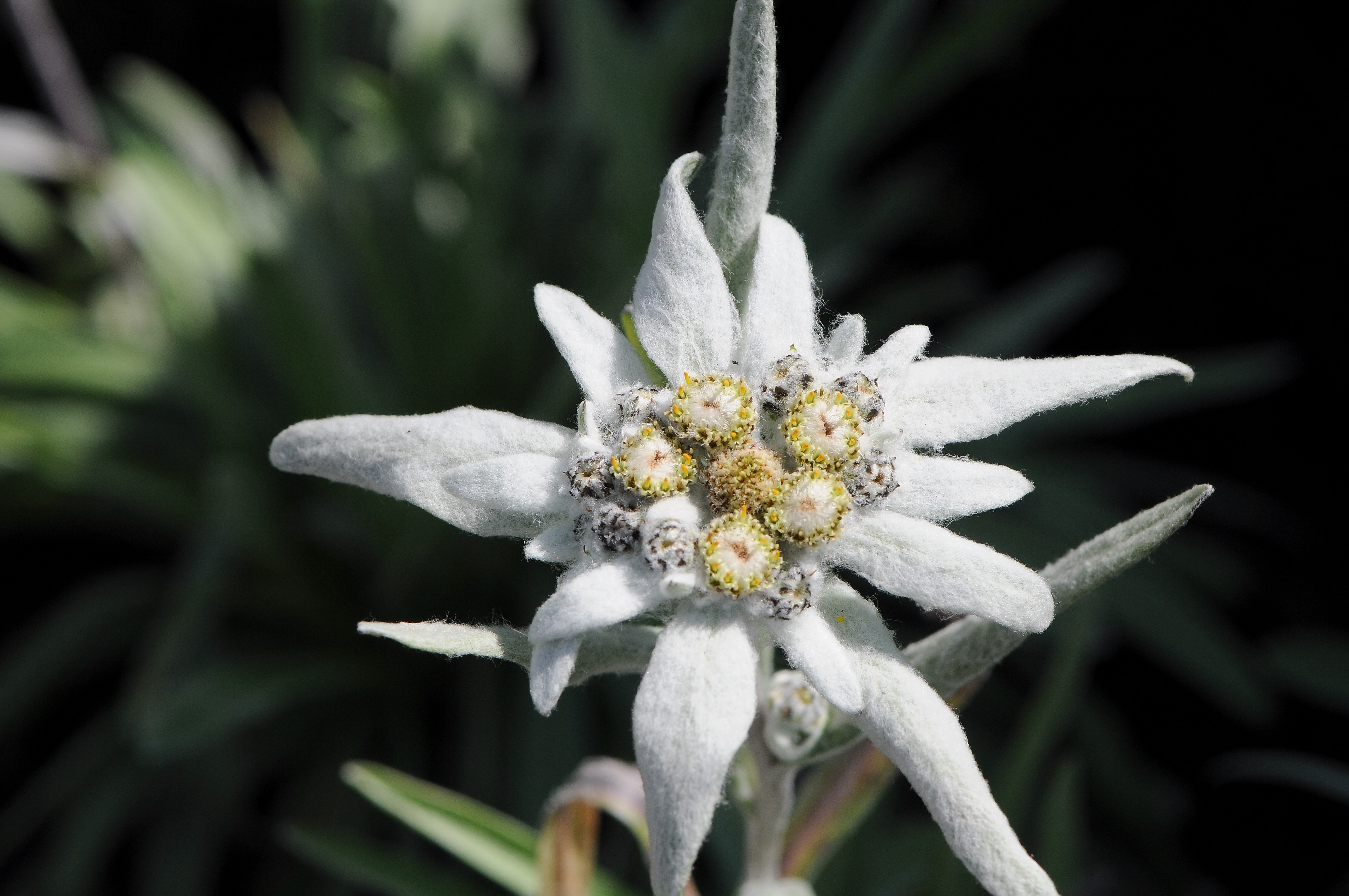
- Leontopodium (Edelweiss): This iconic alpine plant features fuzzy, star-shaped flowers that are both eye-catching and resilient. Edelweiss prefers rocky, well-draining soil, and its distinctive appearance makes it a standout choice for rock gardens.
Section 5: Tips for Cultivating a Thriving Rock Garden
- Drainage: Ensure that your rock garden has excellent drainage, as most rock garden plants prefer well-draining soil. You can achieve this by adding coarse sand or gravel to the soil and elevating your planting area.
- Sunlight: Most rock garden plants thrive in full sun, so choose a location that receives at least six hours of direct sunlight per day.
- Soil type: Select plants that will thrive in your garden’s specific soil type, whether it’s sandy, rocky, or clay-heavy. This will ensure that your plants have the best chance of success.
- Use rocks strategically: Arrange rocks in a natural-looking way and use them to create microclimates for your plants. For example, place larger rocks on the south or west side of plants to provide some shade during the hottest parts of the day.
- Mulch: Apply a layer of gravel or small stones as mulch around your plants to help retain moisture and reduce weed growth.
Conclusion
By selecting the best plants for your rock garden, you can create a visually stunning, low-maintenance landscape that showcases the beauty and resilience of these unique species. From succulents and perennials to ground covers and alpine plants, there’s a wealth of options available to help you design a captivating rock garden. Use the tips provided in this guide to cultivate a thriving, eye-catching rock garden that will be the envy of your neighbors.
