
Looking for the perfect houseplant? Look no further than the Crimson Queen Hoya! This beautiful plant is easy to care for and adds a touch of elegance to any room. The Crimson Queen Hoya is a tropical plant that thrives in warm, humid environments. It can be grown indoors or outdoors, making it the perfect choice for any home.
What kind of plant is a hoia Crimson Queen?
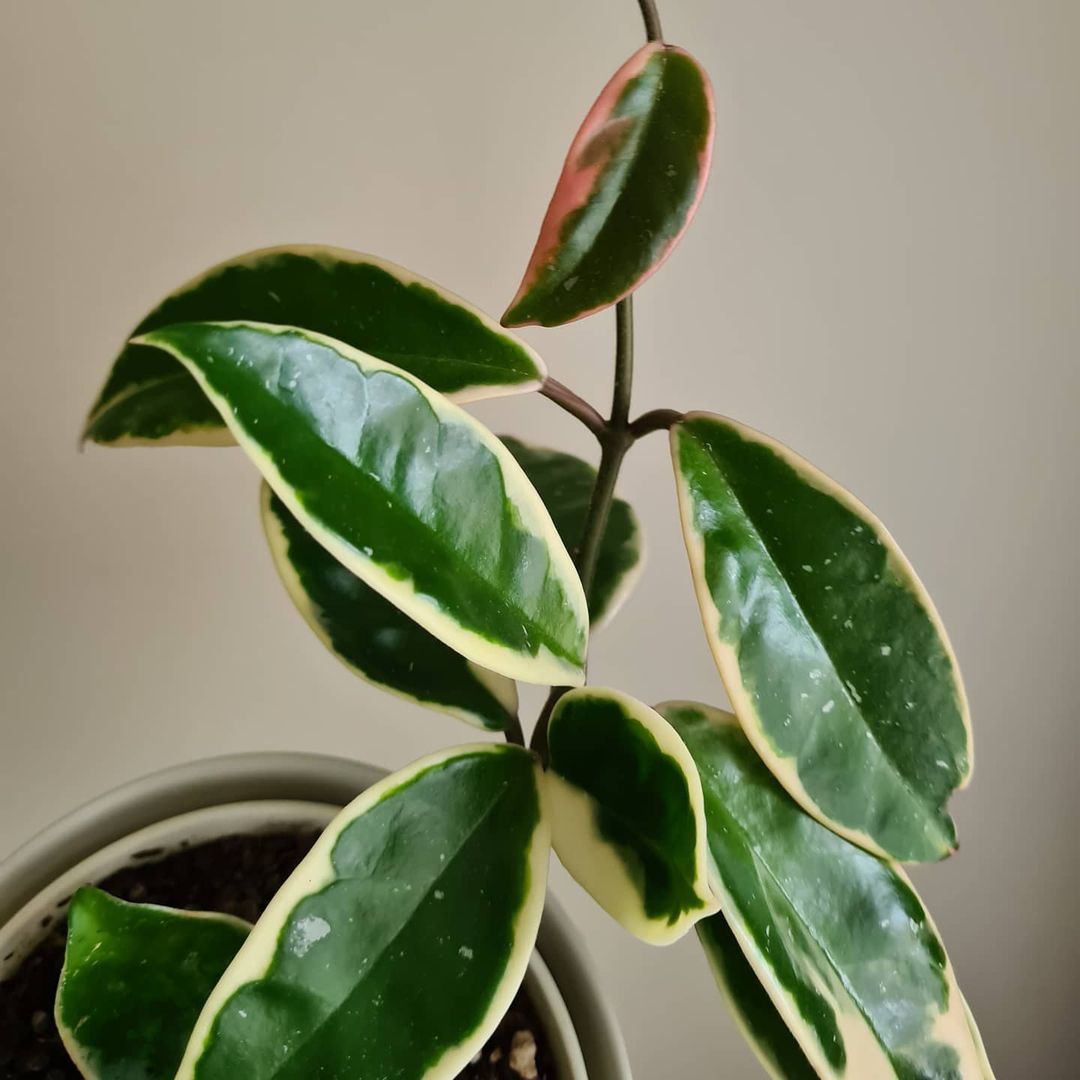
Hoya Crimson Queen is a tropical plant that thrives in warm and humid environments. It can be grown both indoors and outdoors, making it an ideal choice for any home. Hoyas are also known as waxy plants because of the waxy substance that covers their leaves. This substance helps protect the plant from dehydration and pests.
The plant can have a variety of leaf colors, from pink, to creamy white. At full maturity, very bright pink and even fuchsia leaves are sometimes observed to be succulent.
The plant’s native range is East Asia, India, China, Thailand, the Philippines, New Guinea, Polynesia and Australia.
Crimson Queen Hoya belongs to the Apocynaceae family. It is a perennial plant that has epiphytic offshoots, curly structures. The climbing vines will look very pretty on the walls of your room, or on the walls of buildings. The crimson queen gives off flowers that exude a pleasant fragrance.
Soil for crimson queen hoia
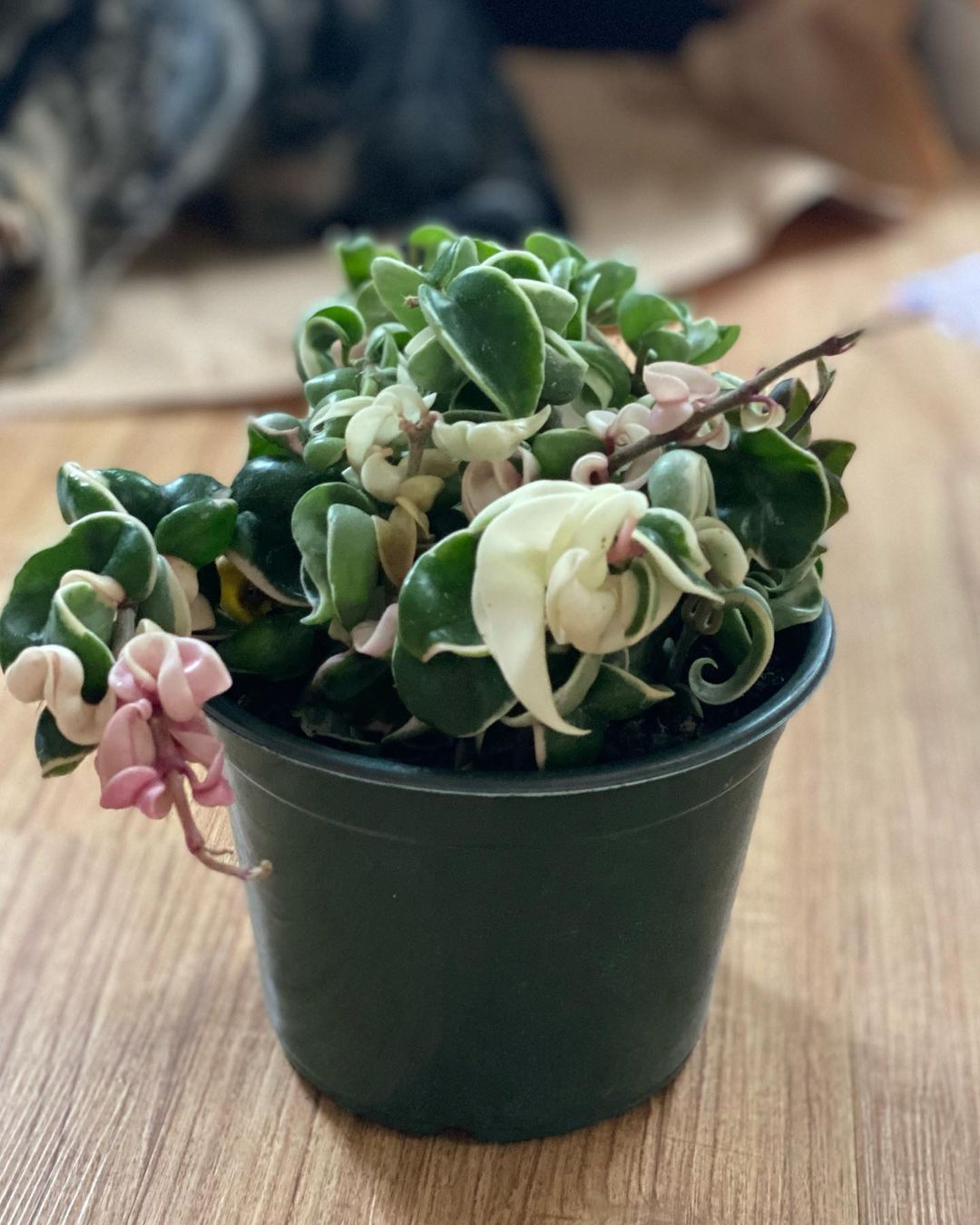
The soil should be well-drained so that the root system is moderately fed with water, but also that there is no burying. Hoya ‘Crimson Queen’ will do well in soil where parts of sand, fibrous soil, coconut husks, orchid bark, pumice and clay balls should be mixed. You can buy a ready-made mixture at a horticultural store if that is more convenient for you.
The main rule is that the soil should be airy and coarse in fraction, because then it will be easier and easier for the chloé to grow and bloom. In addition, such soil will reliably pass water, distributing it evenly throughout the root system.
Lighting for the crimson queen hoia
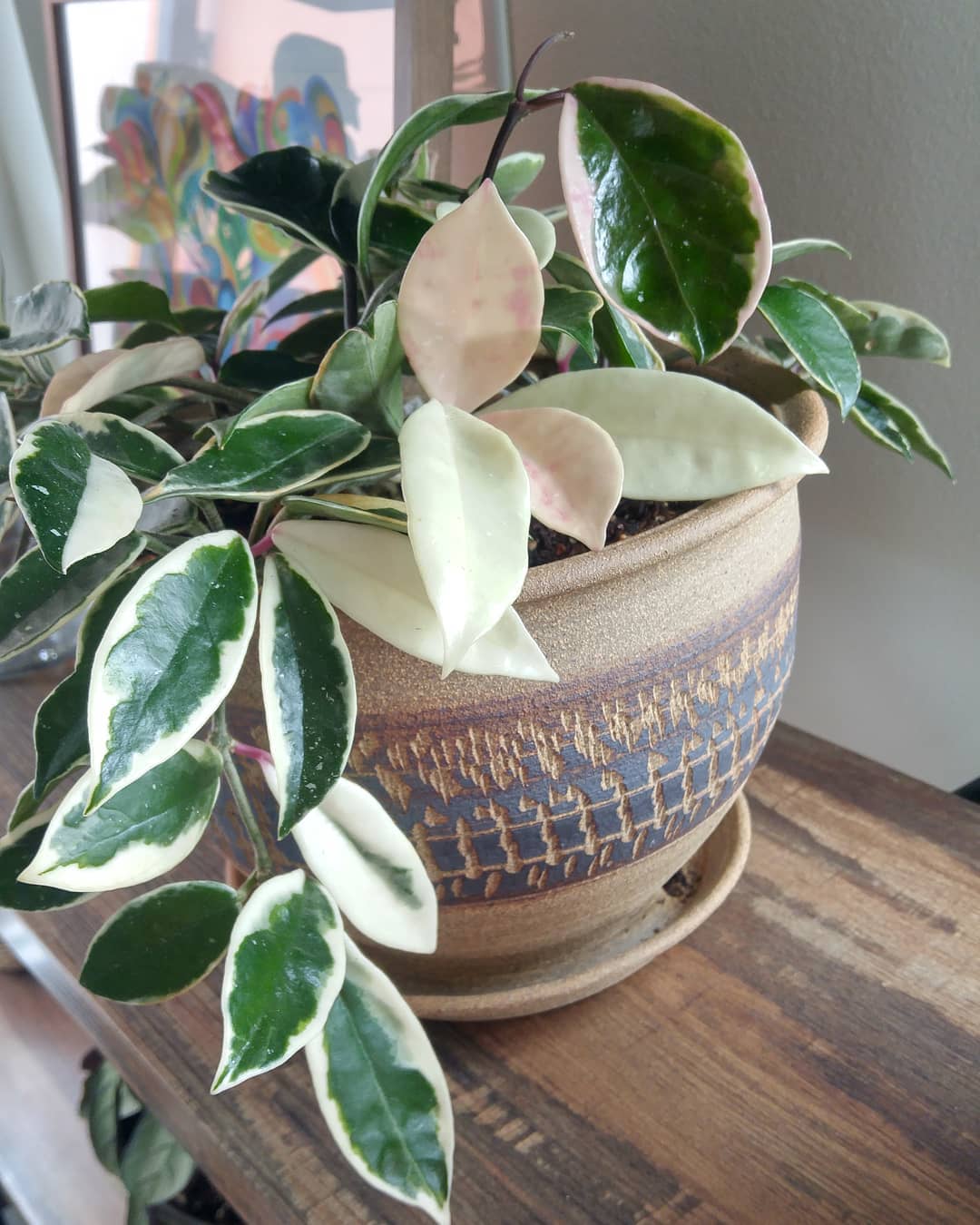
This point is very important because the plant likes lots of bright, indirect sunlight. If you can provide that, your plant will thrive! They are not difficult to grow, but they do require some patience. Sunlight can be direct, but definitely diffused. You can use a special bulb for growing plants. Eo will help make it easier to choose a place in the apartment where to put the plants. And also a good way out for regions with rainy climates, where there is already little sunlight.
The more favorable the light, the more colorful the leaves of the plant become. A full supply of light, ensures that the hoya grows quickly and favorably. If you grow the hoia outside, it should be in the penumbra so that the sun does not burn its leaves.
Watering the crimson queen hoia
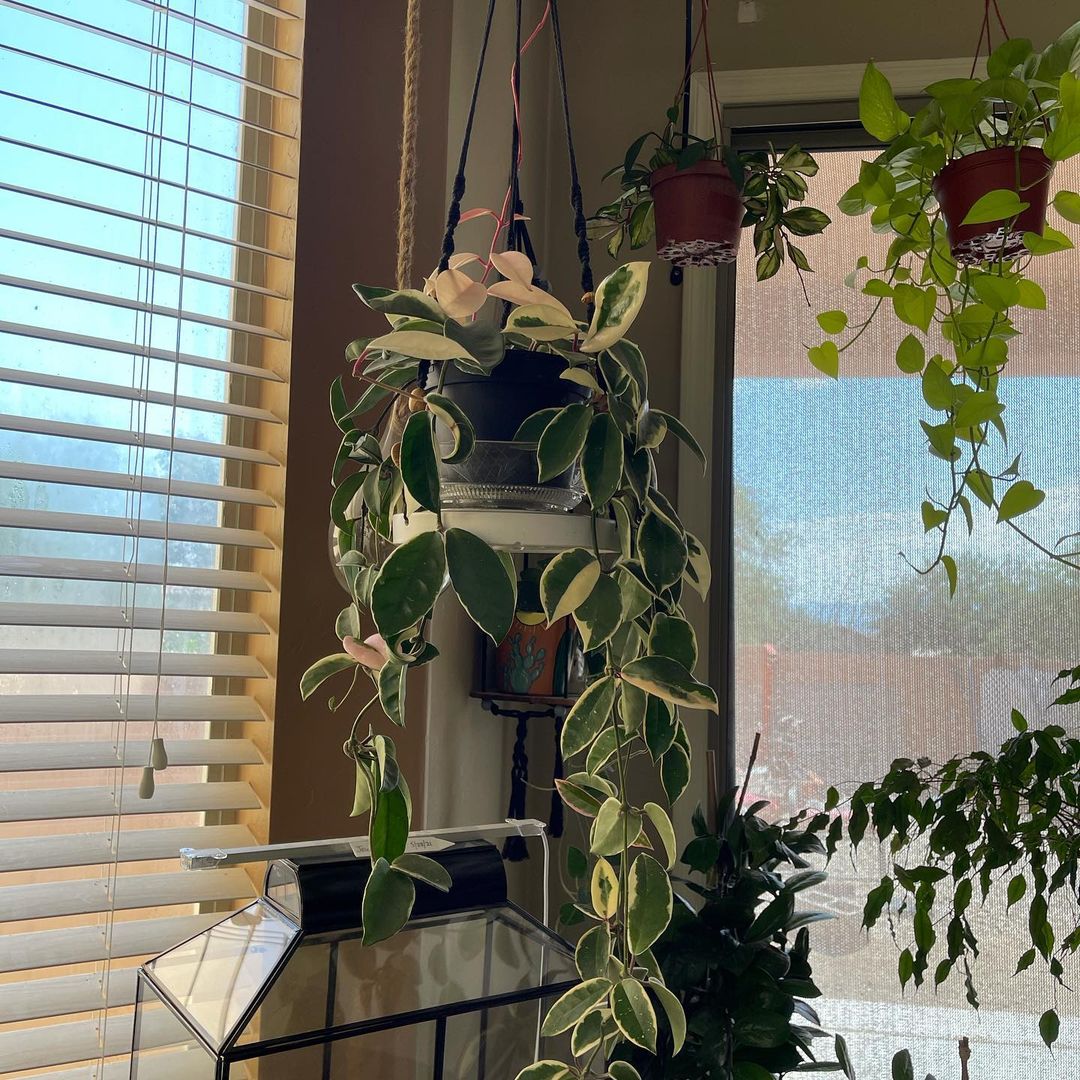
The plant is very drought-resistant, so it will not require you to water too much. It will only need 1 to 3 times a week, depending on the temperature around it. If it’s summer outside and the apartment is very hot, or your hoia is flowering outside, you need to water it 3 times a week. It is important for an outdoor hoia to mark the rainy season as well, so that you don’t flood it at all.
In the fall and winter, watering should be reduced to once or twice a week or two weeks.
It is important to inspect the soil before watering. If it is wet, you cannot water the plant again. This can lead to root rot straight away. So keep a close eye on the soil. If the soil is 1 to 2 inches dry, it is time to water the hoya. Water the plant abundantly so that excess water begins to drain out of the drainage holes. This will keep it healthy and help prevent the roots from rotting.
Optimal temperature for crimson queen hoia
Hoya crimson queen does not like too drastic changes in temperature, which can negatively affect its health. The optimal range for her blooming growth is from 16 to 35 degrees Celsius, or 61 to 95 degrees Fahringey.

Hoya has a very poor tolerance for frost, and will not be able to tolerate temperatures that are too high for long. Therefore, if the temperature in your region tends to sudden changes, as well as differs too high or low values, it is better to grow the plant in the apartment.
Humidity for the crimson queen hoia
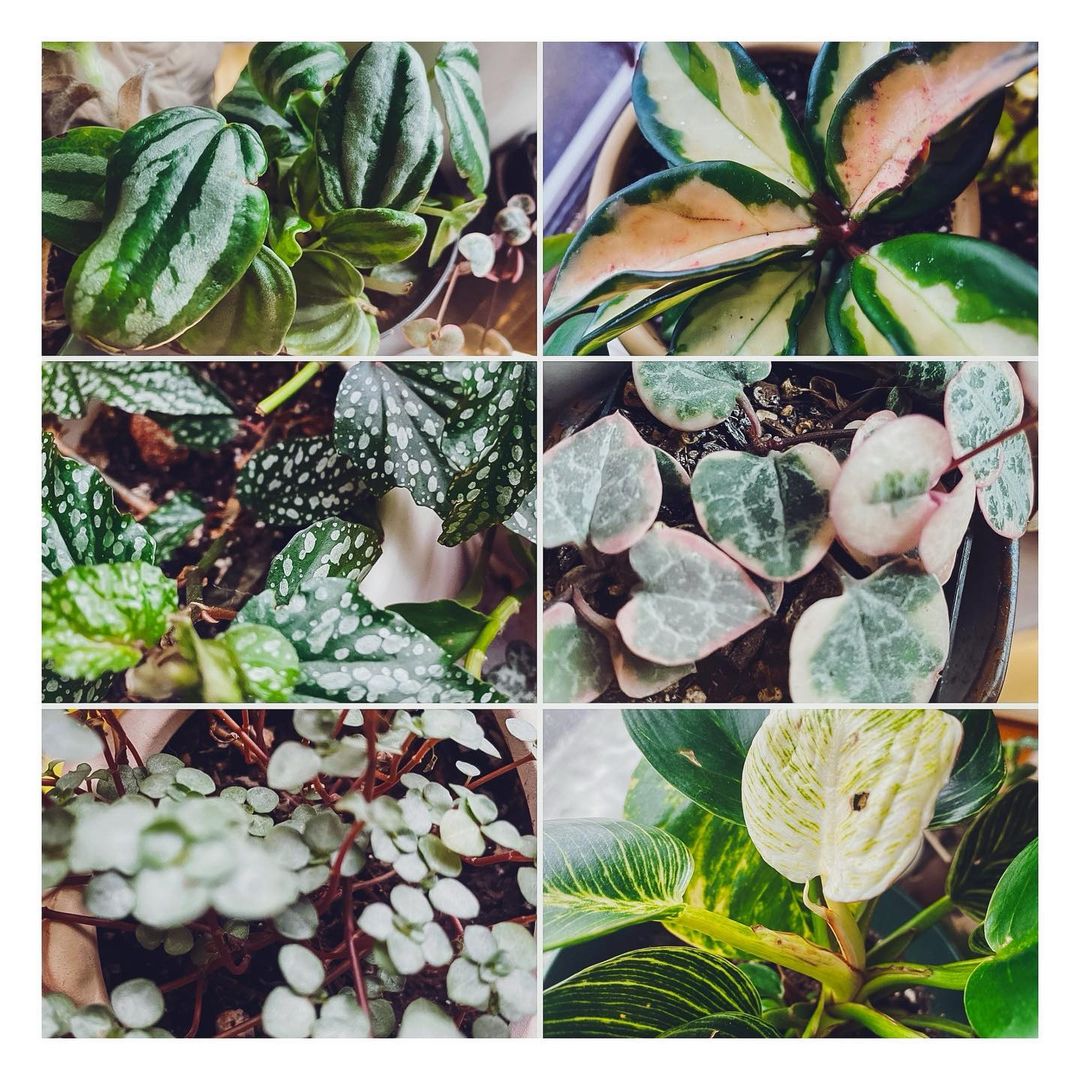
Crimson Queen prefers a humid climate, as it is more natural for her. The air in the room where the plant is growing shouldn’t be too dry, otherwise the leaves will start to wilt and fall off. We can use a humidifier to keep the humidity level correct and help to get the plants in the right conditions, anywhere from 70 to 80% humidity.
To increase the humidity in the house you can use the following methods:
- Place a tray of pebbles under the hoia pot and pour water into it;
- The humidifier we talked about above. You can buy a plant-specific one at a gardening store;
- You can put two pots of plants next to each other because this will increase the natural humidity between them.
Remember, that you can’t spray the leaves of the hoia with water because this will cause harmful bacteria, fungus and pests to appear on them.
Fertilizer for raspberry queen hoia should
Fertilize every two weeks during the growing season. Fertilizer with high potassium and phosphorus content is better. Hoya likes organic fertilizers, so if possible, it is better to use them. Synthetic fertilizers are good, but you have to work with them very carefully. Because there were not rare cases of leaf burns, after using such. Therefore, carefully read the instructions for their use.
General questions about the crimson queen hoia
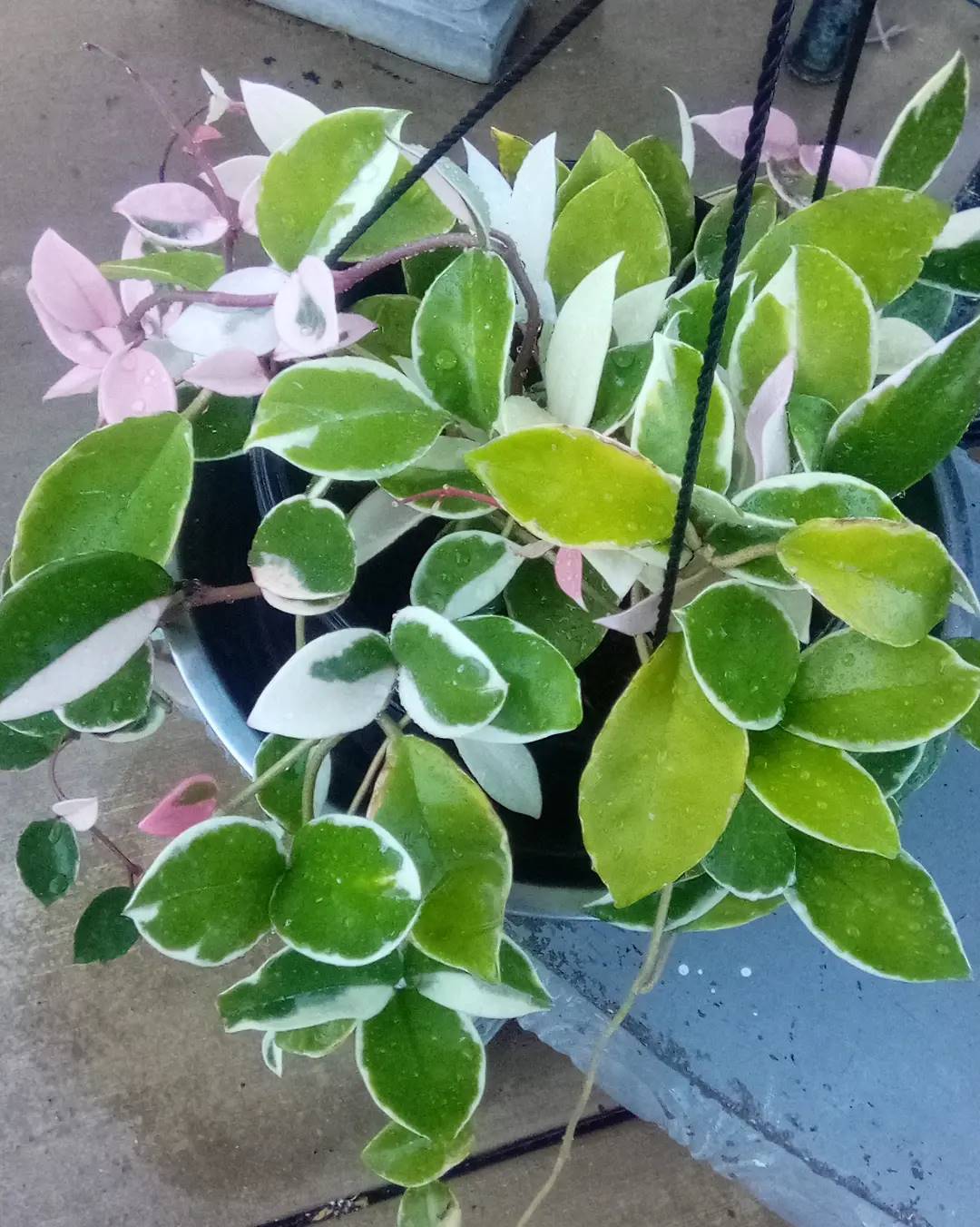
- Hoya is not considered a poisonous plant, but it does give off milky white sap, which is poisonous. But if your animal eats the leaf, nothing will happen, just as it does to humans;
- Hoya is prone to root rot due to improper watering or improper soil, as well as stem rot;
- It is important to clean the soil of fallen leaves to avoid fungus;
- Hoya is susceptible to pests such as mealybugs, spider mites and scales;
- Severe heat, transporting the plant, or low temperatures stress the hoia. And when stressed, the plant is much more susceptible to bacterial attacks and the development of various diseases.
