
Caring for Hoya Curtisii, often called the Tiny Heart Hoya, is a rewarding experience for any plant enthusiast. This delicate, trailing plant with its heart-shaped leaves is a favorite among gardeners for its unique appearance and relatively easy care. In this guide, we’ll dive deep into how to care for Hoya Curtisii, ensuring your plant thrives. As an enthusiastic gardener, I’ve had my fair share of successes (and challenges) with this plant, and I’m excited to share my tips with you.


Understanding Hoya Curtisii
What Makes Hoya Curtisii Special?
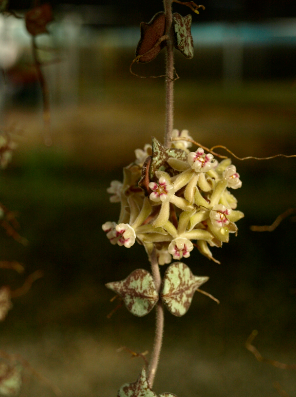
Hoya Curtisii is a compact, vining plant native to Southeast Asia. Its small, heart-shaped leaves have a distinctive silvery variegation that makes them stand out. This plant is a slow grower but eventually forms a lush cascade of foliage, making it perfect for hanging baskets or trailing over the edges of shelves.
Ideal Environment for Hoya Curtisii
Hoya Curtisii thrives in a warm, humid environment, mimicking its tropical origins. I’ve found that maintaining a consistent temperature between 60-80°F (16-27°C) works best. It’s essential to keep it away from drafts or sudden temperature changes, as this can stress the plant.
Light Requirements for Hoya Curtisii
Finding the Perfect Spot
Hoya Curtisii loves bright, indirect light. In my experience, placing it near a north or east-facing window provides just the right amount of light without scorching the leaves. Direct sunlight can cause the leaves to bleach or burn, so it’s crucial to avoid that.
Artificial Lighting Options
If natural light is limited, consider using grow lights. I’ve successfully grown my Hoya Curtisii under LED grow lights during the winter months, ensuring it receives adequate light even when daylight is scarce.
Watering Your Hoya Curtisii
How Often Should You Water?
Watering Hoya Curtisii can be a bit tricky. The key is to let the soil dry out slightly between waterings. Overwatering is a common mistake, often leading to root rot. I typically water mine every 7-10 days, adjusting based on the season and humidity levels.
Best Watering Techniques
Watering from the bottom is a method I often recommend. By placing the pot in a tray of water and allowing the plant to absorb moisture from the bottom, you encourage deeper root growth and avoid waterlogging the soil surface.
Soil and Potting Mix
Choosing the Right Soil
Hoya Curtisii prefers a well-draining, airy soil mix. A combination of orchid bark, perlite, and a peat-based potting mix works wonders. This mix provides the necessary drainage while retaining enough moisture for the roots.
Repotting Advice
Repotting Hoya Curtisii is usually only necessary every two to three years. When repotting, choose a pot that’s only slightly larger than the current one. Too large a pot can lead to water retention issues, which Hoya Curtisii dislikes.
Fertilizing Hoya Curtisii
What Kind of Fertilizer to Use?
Using a balanced, water-soluble fertilizer during the growing season can help your Hoya Curtisii flourish. I prefer a 20-20-20 mix, diluted to half strength. Fertilize every four to six weeks from spring through early fall, and stop fertilizing during the winter months.
My Fertilization Routine
From personal experience, I’ve found that less is more with Hoya Curtisii. Over-fertilizing can lead to nutrient burn, so sticking to a consistent, modest fertilization schedule is best.
Pruning and Maintenance
How to Prune Hoya Curtisii
Pruning is an essential part of Hoya Curtisii care. Regular pruning encourages bushier growth and prevents the plant from becoming too leggy. I typically prune mine in the spring, trimming back any excessively long vines or damaged leaves.
Managing Pests and Diseases
Hoya Curtisii is relatively pest-resistant, but it’s still prone to common houseplant pests like spider mites and mealybugs. I’ve had good results using insecticidal soap or neem oil at the first sign of infestation. Keeping the plant clean and avoiding overwatering helps prevent most issues.
Propagation Tips
Propagating Hoya Curtisii by Cuttings
One of the joys of growing Hoya Curtisii is sharing it with others through propagation. I’ve had great success propagating this plant through stem cuttings. Simply cut a healthy vine just below a node, remove the lower leaves, and place the cutting in water or a moist potting mix. Roots usually develop within a few weeks.
My Propagation Success Story
I once propagated a particularly leggy Hoya Curtisii by cutting and rooting the vines in water. Within a few months, I had several new plants that were just as vibrant as the original. It’s a rewarding process that I highly recommend.
Common Challenges with Hoya Curtisii
Yellowing Leaves
If you notice yellowing leaves, it could be a sign of overwatering or insufficient light. I’ve encountered this issue a few times and found that adjusting the watering schedule or moving the plant to a brighter spot quickly resolves it.
Slow Growth
Hoya Curtisii is naturally a slow grower, but if you notice it’s barely growing at all, it might need more light or a boost of nutrients. Patience is key with this plant, but a little extra care can encourage more robust growth.
Final Thoughts
Caring for Hoya Curtisii can be a deeply satisfying experience, especially when you see it thriving under your care. This plant may have some specific needs, but with the right environment and a bit of attention, it can become a stunning addition to your plant collection. As a gardener, I’ve enjoyed watching my Hoya Curtisii grow, and I hope these tips help you nurture your own.
Remember, every plant is unique, and part of the joy of gardening is learning and adapting to each plant’s needs. Happy gardening!
