
Lawn care is an essential part of keeping your yard healthy and beautiful. But did you know that the chemicals in lawn care products can affect groundwater quality? Groundwater is a critical source of drinking water for many people, and it is essential to understand how lawn care products can contaminate it. In this article, we will explore the impact of lawn care products on groundwater quality, alternatives to traditional lawn care products, best practices for lawn care, and more.
Overview of Lawn Care Products
Lawn care products are designed to help keep your lawn healthy and green. They typically include fertilizers, pesticides, herbicides, and other chemicals. While these products can be effective, they can also have harmful effects on the environment, including groundwater contamination.
Types of Lawn Care Products
There are many different types of lawn care products, each with its specific purpose. Here are some common lawn care products:
- Fertilizers: These products are used to provide nutrients to your lawn, such as nitrogen, phosphorus, and potassium.
- Pesticides: These products are used to control pests like insects and rodents that can damage your lawn.
- Herbicides: These products are used to kill weeds.
- Fungicides: These products are used to prevent or treat fungal diseases in your lawn.
Common Ingredients and Their Effects
Many lawn care products contain potentially harmful ingredients. Here are some common ingredients and their effects:
- Nitrogen: Nitrogen is an essential nutrient for your lawn, but excess nitrogen can cause problems if it enters groundwater. When there is too much nitrogen in water, it can lead to algal blooms and other water quality issues. These algal blooms can reduce oxygen levels in the water, which can harm aquatic life.
- Phosphorus: Phosphorus is another essential nutrient for your lawn, but like nitrogen, it can contribute to water quality problems. When phosphorus enters water sources, it can contribute to harmful algal blooms, just like excess nitrogen.
- Pesticides: Pesticides are designed to kill pests, but they can also be toxic to wildlife and humans. Pesticides can enter groundwater through leaching or runoff, contaminating the water sources. Even low levels of pesticides can have negative impacts on aquatic life.
- Herbicides: Herbicides are used to control weeds, but they can also be toxic to wildlife and humans. Herbicides can affect non-target plants and can also contaminate water sources, including groundwater. This can cause harm to aquatic organisms, including fish and other wildlife.
- Fungicides: Fungicides are used to control fungal diseases in lawns, but they can also be harmful to aquatic organisms and can contaminate water sources. Fungicides can enter groundwater through leaching or runoff, contributing to the pollution of water sources.
Regulatory Bodies and Their Oversight
Regulatory bodies play a crucial role in overseeing the use of lawn care products and protecting groundwater quality. Here are some of the key regulatory bodies and their responsibilities:
United States Environmental Protection Agency (EPA)
The EPA is responsible for regulating lawn care products under the Federal Insecticide, Fungicide, and Rodenticide Act (FIFRA) and the Federal Food, Drug, and Cosmetic Act (FFDCA). The EPA reviews and approves all pesticide products sold in the United States and sets limits on how much of each pesticide can be used. The EPA also conducts risk assessments to determine the potential impact of pesticides on human health and the environment.
National Pesticide Information Center (NPIC)
The NPIC is a partnership between the EPA and Oregon State University. It provides information on pesticides and their effects on human health and the environment. The NPIC also provides guidance on the safe use and disposal of pesticides.
State Departments of Agriculture
State Departments of Agriculture are responsible for regulating the sale and use of lawn care products within their states. They are also responsible for enforcing federal pesticide regulations and conducting inspections to ensure compliance.
Other Regulatory Bodies
Other regulatory bodies that may be involved in overseeing the use of lawn care products include:
- Department of Health and Human Services
- Food and Drug Administration
- Occupational Safety and Health Administration
- Department of Transportation
Impact on Groundwater Quality
Lawn care products can have significant impacts on groundwater quality. Groundwater is an important source of drinking water for many communities, and it is vulnerable to contamination from various sources, including lawn care products. Here are some ways that lawn care products can affect groundwater:
Leaching
When lawn care products are applied to your lawn, they can seep into the soil and contaminate groundwater. This is known as leaching. Leaching occurs when water carrying lawn care products moves downward through the soil, carrying the products with it. Once the products reach the groundwater, they can remain there for years, potentially contaminating the water supply.
Runoff
During rain events, lawn care products can wash off your lawn and into nearby water sources, including groundwater. This is known as runoff. Runoff occurs when rainwater carries lawn care products over the surface of your lawn and into nearby water sources. Runoff can occur even when lawn care products are applied according to the manufacturer’s instructions.
Atmospheric Deposition
Some lawn care products can evaporate and travel through the air, eventually depositing in groundwater. This is known as atmospheric deposition. Atmospheric deposition can occur when volatile organic compounds (VOCs) evaporate from lawn care products and enter the air. The VOCs can then travel long distances before eventually depositing in groundwater. This can lead to contamination of groundwater even in areas where lawn care products are not used heavily.
Alternatives to Traditional Lawn Care Products
Fortunately, there are alternatives to traditional lawn care products that can help reduce the impact on groundwater quality. Here are some options:
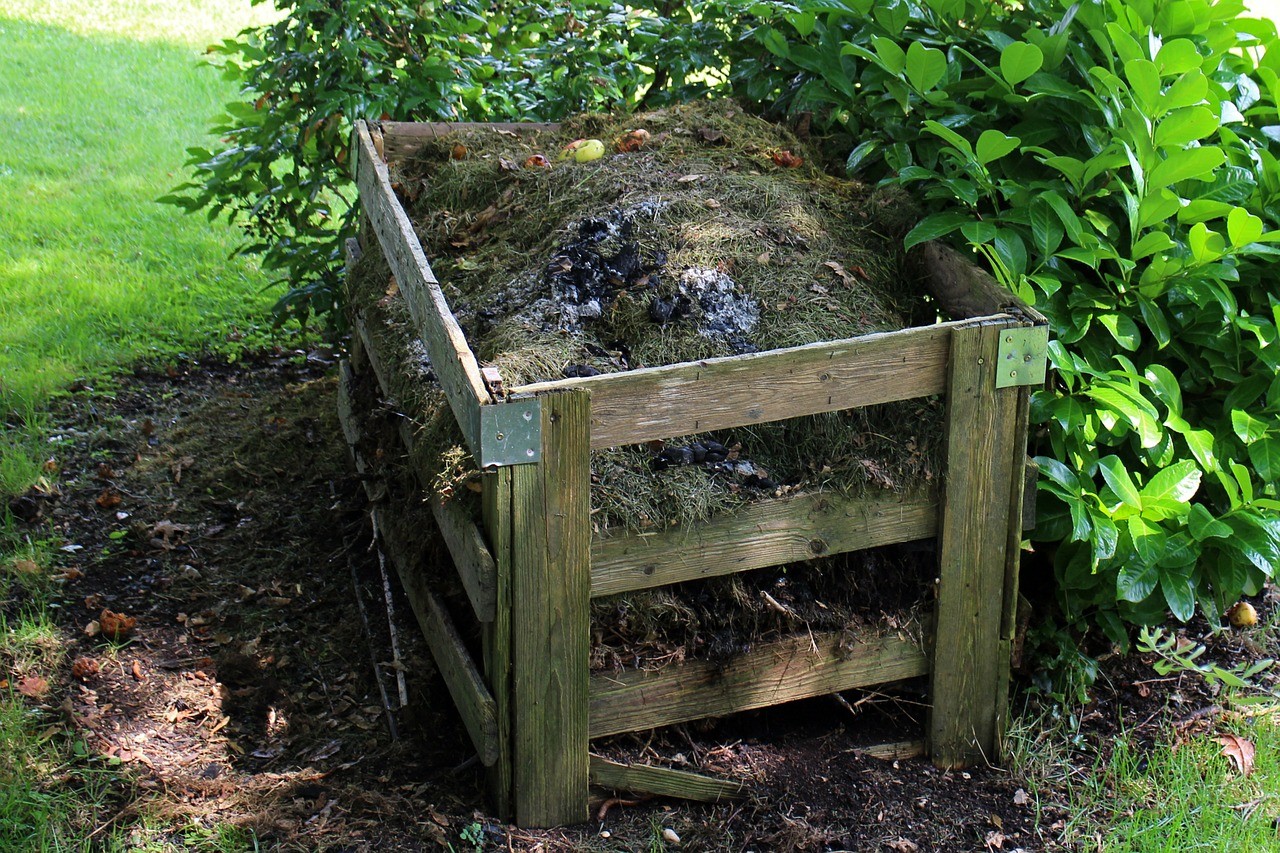
- Organic fertilizers: Organic fertilizers are made from natural materials, such as compost or manure, and can be just as effective as traditional fertilizers. Unlike traditional fertilizers, organic fertilizers do not contain synthetic chemicals that can leach into groundwater. Additionally, organic fertilizers can improve soil health, which can help reduce the need for other lawn care products.
- Integrated Pest Management (IPM): IPM is a holistic approach to pest control that emphasizes prevention, monitoring, and using the least toxic methods first. By using IPM, we can reduce our reliance on pesticides, which can contaminate groundwater. IPM practices include things like planting pest-resistant grasses, using beneficial insects to control pests, and removing pest habitats.
- Cultural practices: Good lawn care practices, such as proper mowing, watering, and soil management, can help reduce the need for lawn care products. By maintaining a healthy lawn, we can reduce the likelihood of pest infestations and other lawn problems that may require chemical treatments. For example, mowing your lawn to the correct height can help prevent weed growth, which can reduce the need for herbicides.
Conclusion
Lawn care products can have a significant impact on groundwater quality, which is why it’s essential to understand their effects and take steps to reduce their use. By using alternative products and best practices for lawn care, we can help protect our drinking water and the environment. It’s up to all of us to make informed decisions about lawn care and do our part to preserve the planet for future generations.
