
Coconuts are more than just tropical icons; they’re versatile fruits that can be a valuable addition to your garden. Whether you’re interested in growing your own coconut trees or simply curious about the different types available, understanding the varieties can help you make an informed choice. In this article, we’ll explore the most popular types of coconuts, their unique characteristics, and how they can fit into your gardening plans.
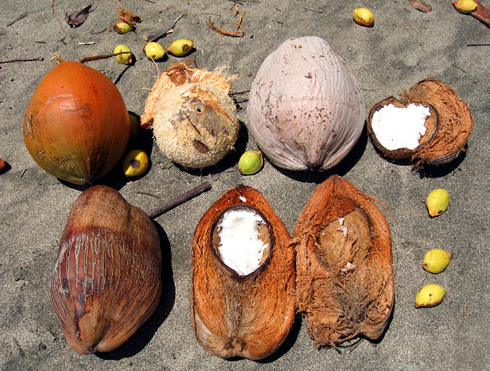
Understanding the Basics of Coconut Types
The Two Main Categories: Tall vs. Dwarf Coconuts
Coconuts are generally categorized into two main types: tall and dwarf. Each category has its own distinct features that affect how and where they can be grown.
Tall Coconuts
Tall coconuts are the most common type you’ll encounter. They can grow up to 80 feet tall and have a lifespan of up to 80 years, producing coconuts throughout their life. These trees are known for their hardiness and can thrive in a variety of soil types.
- Examples of Tall Coconut Varieties:
- West Coast Tall: Known for its robust nature, it produces medium-sized nuts with a high yield.
- East Coast Tall: Popular in India, this variety is known for its large, sweet nuts.
- Panama Tall: This variety is salt-tolerant, making it ideal for coastal regions.
Dwarf Coconuts
Dwarf coconuts, as the name suggests, are much smaller in stature, usually growing between 16 to 40 feet. These trees mature faster, often starting to produce nuts within 3 to 5 years, but they generally have a shorter lifespan compared to tall varieties.
- Examples of Dwarf Coconut Varieties:
- Malayan Dwarf: Available in different colors like yellow, green, and orange, it’s favored for its ornamental value and high yield.
- King Coconut: Native to Sri Lanka, it’s prized for its sweet, water-filled nuts.
- Macapuno Dwarf: Known for its jelly-like flesh, it’s a specialty variety that’s highly valued in the Philippines.
Unique Coconut Varieties for Different Purposes
Coconuts for Water vs. Coconuts for Meat
When choosing a coconut type, it’s important to consider what you want to harvest: coconut water or coconut meat. Some varieties are better suited for one over the other.
Best Varieties for Coconut Water
If you’re after refreshing coconut water, you’ll want to opt for varieties like the Malayan Dwarf or King Coconut. These types are known for producing sweeter, more abundant water.
- Tip: “When growing coconuts for water, I always ensure they’re harvested young, as this is when the water content is highest and the sweetest.”
Best Varieties for Coconut Meat
For those more interested in coconut meat, tall varieties like the West Coast Tall or the East Coast Tall are ideal. These trees produce thicker meat that’s perfect for cooking or making coconut oil.
- Advice from Experience: “If you’re planning to use the coconut meat in recipes, let the coconuts mature fully on the tree. This ensures the meat is thick and rich in flavor.”
Growing Coconut Trees: Tips and Tricks
Choosing the Right Coconut Type for Your Garden
When selecting a coconut type for your garden, consider your climate and the space available. Tall varieties need more room and are better suited for larger gardens, while dwarf varieties can be planted in smaller spaces or even large containers.
- Author’s Note: “In my garden, I prefer the Malayan Dwarf due to its manageable size and the sweet coconut water it provides. It’s a great choice for gardeners who want a productive tree without taking up too much space.”
Soil and Watering Requirements
Coconuts thrive in sandy, well-drained soil. They need a lot of water, especially when young, but be cautious of overwatering, which can lead to root rot.
- Pro Tip: “Mulching around the base of the tree helps retain moisture and keeps the roots cool. I’ve found this especially useful during hot, dry summers.”
Fertilizing and Maintenance
Coconut trees are heavy feeders. They require regular fertilization, particularly with potassium-rich fertilizers. Keeping the area around the tree free from weeds and other plants ensures the coconut tree gets all the nutrients it needs.
- Personal Experience: “Every three months, I apply a slow-release fertilizer around the drip line of the tree. This has significantly improved the yield and overall health of my coconut trees.”
Common Challenges in Growing Coconut Trees
Pest Control
Coconuts are susceptible to pests like the coconut rhinoceros beetle and red palm weevil. Regular inspections and appropriate pest control measures are essential to maintaining a healthy tree.
- Author’s Insight: “I’ve had issues with the red palm weevil in the past. Introducing natural predators and using neem oil sprays have been effective in keeping the pest population under control.”
Disease Prevention
Coconut trees can also suffer from diseases like lethal yellowing. Ensuring your tree is in a well-drained location and not waterlogged can help prevent such issues.
- Expert Tip: “If you notice yellowing leaves or a decline in coconut production, act quickly. Pruning affected parts and applying fungicides can sometimes save the tree.”
Conclusion: Choosing the Right Coconut Type for Your Garden
Growing coconuts can be a rewarding experience, whether you’re looking to enjoy fresh coconut water, make your own coconut oil, or simply add a tropical flair to your garden. By understanding the different types of coconuts and their specific needs, you can choose the right variety that suits your garden and climate.
- Final Thoughts: “For gardeners who want a reliable and productive coconut tree, I recommend starting with a Malayan Dwarf. It’s hardy, versatile, and produces delicious coconuts. However, if space isn’t an issue and you want a tree with a longer lifespan, a tall variety like the West Coast Tall could be your best bet.”
Whichever type you choose, with the right care and attention, your coconut tree will thrive, bringing a taste of the tropics right to your backyard.
