
Philodendron Bipennifolium Variegated is a stunning tropical plant that’s been captivating plant lovers with its unique foliage and relatively easy-care routine. Also known as the Horsehead Philodendron due to the shape of its leaves, this variegated variety adds a splash of color to any indoor garden. If you’re looking to grow and maintain this gorgeous plant, you’re in the right place. As an enthusiastic gardener, I’ll share my personal tips and experiences with this unique houseplant.
Understanding Philodendron Bipennifolium Variegated
What Makes It Special?
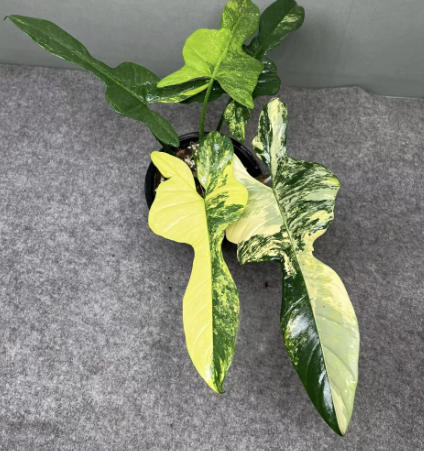
The Philodendron Bipennifolium Variegated stands out for its large, deeply lobed leaves that resemble a horse’s head. The variegation in this plant is what truly makes it special. The leaves often display a mix of green, white, and yellow patterns, making each leaf a unique work of art. This plant’s variegation is not just about aesthetics; it’s also a sign of a healthy and well-cared-for plant.
Ideal Growing Conditions
Light Requirements
To keep your Philodendron Bipennifolium Variegated thriving, provide it with bright, indirect light. Direct sunlight can scorch the delicate variegated leaves, leading to brown spots and diminished color. In my experience, placing the plant near a north or east-facing window works wonders. If your space lacks natural light, you can supplement it with a grow light to maintain its vibrant foliage.
Temperature and Humidity
This plant enjoys a warm environment with temperatures between 65-80°F (18-27°C). It’s important to keep it away from cold drafts or sudden temperature changes, as these can stress the plant. High humidity is also key. Aim for a humidity level of around 60-70%. You can achieve this by misting the plant regularly, placing it near a humidifier, or grouping it with other plants to create a microclimate.
Caring for Your Philodendron Bipennifolium Variegated
Watering Tips
One of the most common mistakes new plant owners make is overwatering. The Philodendron Bipennifolium Variegated prefers to dry out slightly between waterings. In my garden, I typically water this plant once the top inch of soil feels dry to the touch. Overwatering can lead to root rot, which is a common issue with this plant.
Pro Tip: Use well-draining soil and a pot with drainage holes to ensure excess water doesn’t linger at the bottom, which can cause root problems.
Fertilizing for Growth
To keep your plant growing strong and maintaining its vibrant variegation, regular fertilization is essential. I recommend using a balanced liquid fertilizer diluted to half strength every four to six weeks during the growing season (spring and summer). In the colder months, reduce the frequency of feeding, as the plant’s growth naturally slows down.
Pruning and Maintenance
Pruning is an important part of maintaining the shape and health of your Philodendron Bipennifolium Variegated. Trim any dead or yellowing leaves to encourage new growth. Pruning also helps manage the size of the plant, keeping it from becoming too leggy. In my experience, a little regular maintenance goes a long way in keeping this plant looking its best.
Propagating Philodendron Bipennifolium Variegated
Simple Propagation Steps
If you want to share the beauty of this plant with friends or simply expand your collection, propagation is the way to go. The most effective method is stem cutting.
- Choose a healthy stem: Select a stem with at least one leaf and a node (the point where the leaf meets the stem).
- Cut the stem: Using a clean, sharp knife or scissors, cut just below the node.
- Prepare for rooting: Place the cutting in water or directly into moist soil. If using water, change it regularly to prevent stagnation.
- Wait for roots to form: In about two to four weeks, you should see roots developing. Once they are about an inch long, you can transplant the cutting into soil.
Author’s Note: I’ve had great success rooting Philodendron Bipennifolium Variegated cuttings in water, but it’s important to be patient. Propagation takes time, but the reward is worth it!
Common Issues and Solutions
Leaf Discoloration
If you notice the leaves of your Philodendron Bipennifolium Variegated turning yellow or brown, it’s often a sign of either overwatering or underwatering. Ensure that you’re following the watering guidelines mentioned earlier. Yellowing leaves can also indicate a lack of nutrients, so consider adjusting your fertilization routine.
Pest Problems
While generally resistant to pests, this plant can occasionally attract common houseplant pests like spider mites, aphids, or mealybugs. If you notice any of these pests, treat the plant with neem oil or insecticidal soap. Regularly inspecting your plant can help catch infestations early.
Growth Stagnation
If your plant isn’t growing as it should, it may be due to low light or poor soil conditions. Ensure that your plant is getting enough light and consider repotting it with fresh, nutrient-rich soil to encourage new growth.
Final Thoughts: My Love for Philodendron Bipennifolium Variegated
Philodendron Bipennifolium Variegated has quickly become one of my favorite houseplants. Its unique foliage and easy-care nature make it a joy to grow and a centerpiece in my indoor garden. By following the care tips I’ve shared, you can enjoy the beauty of this remarkable plant for years to come.
Quote: “Gardening is the art that uses flowers and plants as paint, and the soil and sky as canvas.” – Elizabeth Murray
This quote resonates with me, especially when I look at my Philodendron Bipennifolium Variegated. Each leaf is like a brushstroke, adding color and life to my home. Happy gardening!
