
Natural and synthetic materials can be used as mulch. Both methods are good, but the latter are more expensive than the former. Therefore, many people turn to natural mulch, which can be made with their own hands. But sometimes mushrooms start to grow in such mulch. Read the blog about what kind of mushrooms breed in mulch and how to get them out.
Agaricus bernardii mushroom

This fungus is widespread in areas of soil salinity, including mulch. The favorite breeding place of the fungus is mulch, where it is very active. The fungus usually blooms in large groups, so you need to be prepared for a large accumulation of them.
The mushroom itself has a cap with a diameter of 7-15 cm. The structure of the mushroom is fleshy, convex and flat. The color can be white or gray, depending on maturity. The mushroom is edible, but because it grows in a dirty area, it is not recommended to eat it. It has a rather unpleasant odor, so it is repulsive.
Bolbitius titubans mushroom

This mushroom is also found in the mulch, but it has a very different structure. The cap is convex and small – up to 25 cm wide. It can be yellow or brown with orange tints around the edge of the mouth, which makes it easy to distinguish from similar types of mushrooms.
The mushroom has another name, as field yellowcap, due to its external features. The mushroom belongs to the shortest-lived mushroom species, so the area with them is constantly growing new germs. The habitat area is wide enough. But most often the mushroom can be found in many regions of America, Britain and Ireland.The mushroom is recognized as inedible, but not toxic either.
Stinkhorn mushroom
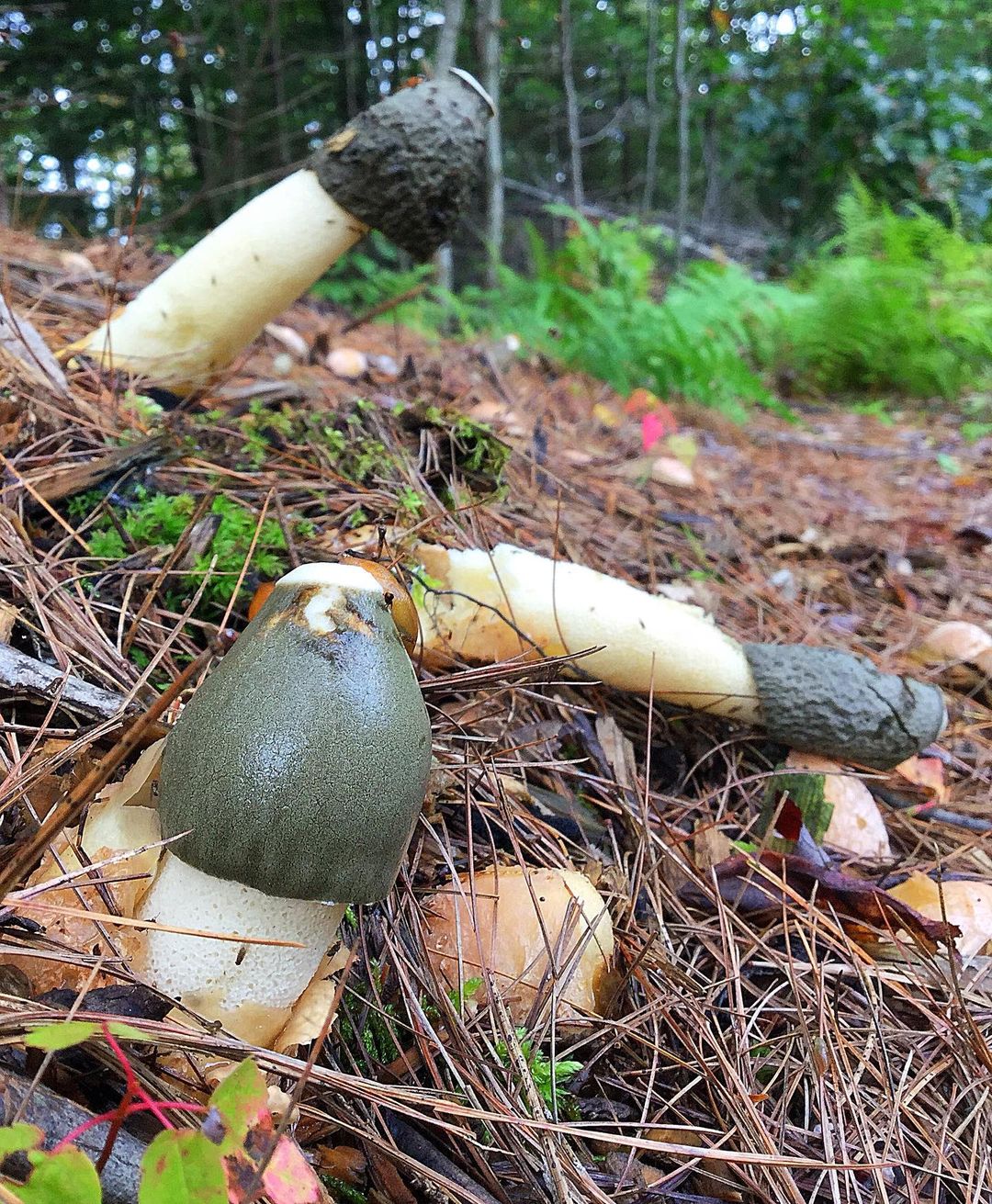
An unbelievably disgusting-looking mushroom whose fruiting body is shaped like an egg. One end is pointed like a pencil and covered with a slimy secretion (this makes them easy to distinguish). The other end is the head. It resembles a small egg in appearance. Because of this, the mushroom also received another name: devil’s egg or witches’ egg.
It is also called a stinking morel, a scrambled egg, and an upstart. The mushroom varies in height from 10 to 30 cm. It is one of the fastest growing mushrooms on the planet, where it even exceeds the speed of the bamboo. The mushroom is edible and considered tasty in taste.
Chlorophyllum rachodes mushroom
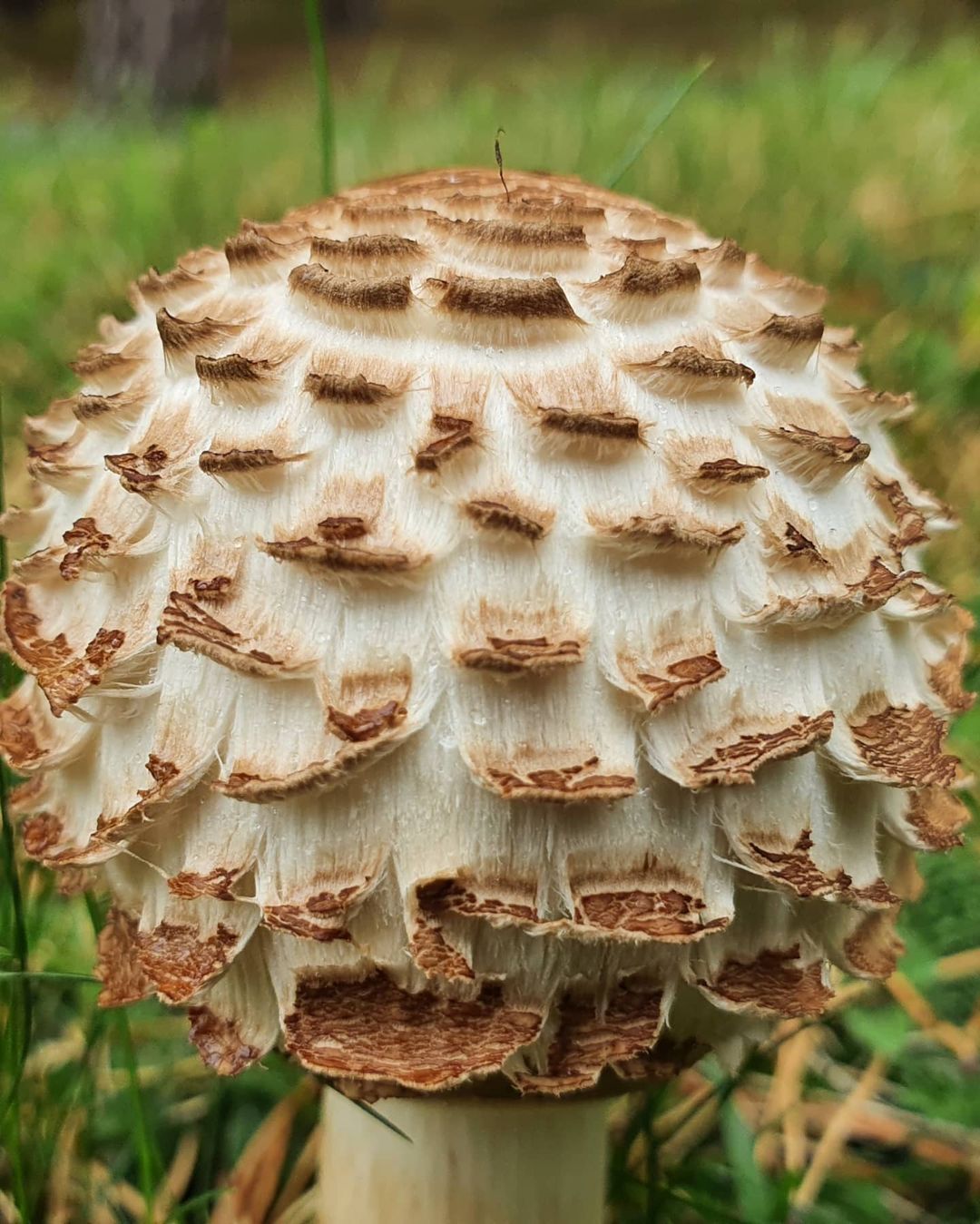
This mushroom is also called the mossy umbrella and grows in mulch. The cap of this mushroom can reach 20 cm in diameter, making it one of the largest species among edible mushrooms. It has a rich green color at maturity, which appeals to many gardeners and cooks. The color of the mushroom may be beige or gray-brown at first. As it matures, it turns green. The aroma of the mushroom is very pronounced and pleasant, but the taste is pleasant, but weakly pronounced.
Puffballs mushroom

One of the most common mushrooms growing in mulch. They are called puffballs because they look like round balls with a smooth surface, making them very similar to tennis balls. The size of this mushroom varies from small (25 mm) to large (up to 30 cm). This mushroom is considered edible, but it tastes rather tasteless, so it is not in demand among cooks.
Ink caps mushroom

The mushroom can grow very large, reaching 20 cm in height. They are also called magic mushrooms or witch hats. The cap of the mushroom is usually conical, but can be slightly convex and wavy around the edges. It is similar in color to chestnuts – dark brown with gray-brown spots.
Sometimes the color of the mushroom turns black, due to which it is called Ink cap in different regions of the country. The mushroom grows most often in North America and Europe. The mushroom itself is considered inedible and poisonous.
Amanita ocreata mushroom

These mushrooms are also called fly agarics. They grow in mulch and have a bright color, which has attracted the attention of many mushroom pickers. Amanita include more than 600 species of fungi belonging to the family Agaricaceae or Amanitaceae (in Latin).
Morels mushroom

These mushrooms are called morels because they are shaped like brains. The mushroom itself can grow up to 25 cm in height and has a cap with irregularly shaped lobes.
Morels are among the fleshy types of mushrooms that easily absorb other flavors when mixed with them. For a long time, morels were considered inedible to humans, but were later recognized as edible in the third category. That is, they can be eaten after boiling in salted water after 10-15 minutes of boiling (the broth must be drained), or after complete drying.
Boletinellus merulioides mushroom

The cap of the mushroom is kidney-shaped and has a yellowish color. It can reach 15 cm in diameter, but its height does not exceed 12 cm. The surface of the younger part of mushrooms is covered with small scales that gradually disappear as they age.
Furry parasol mushroom
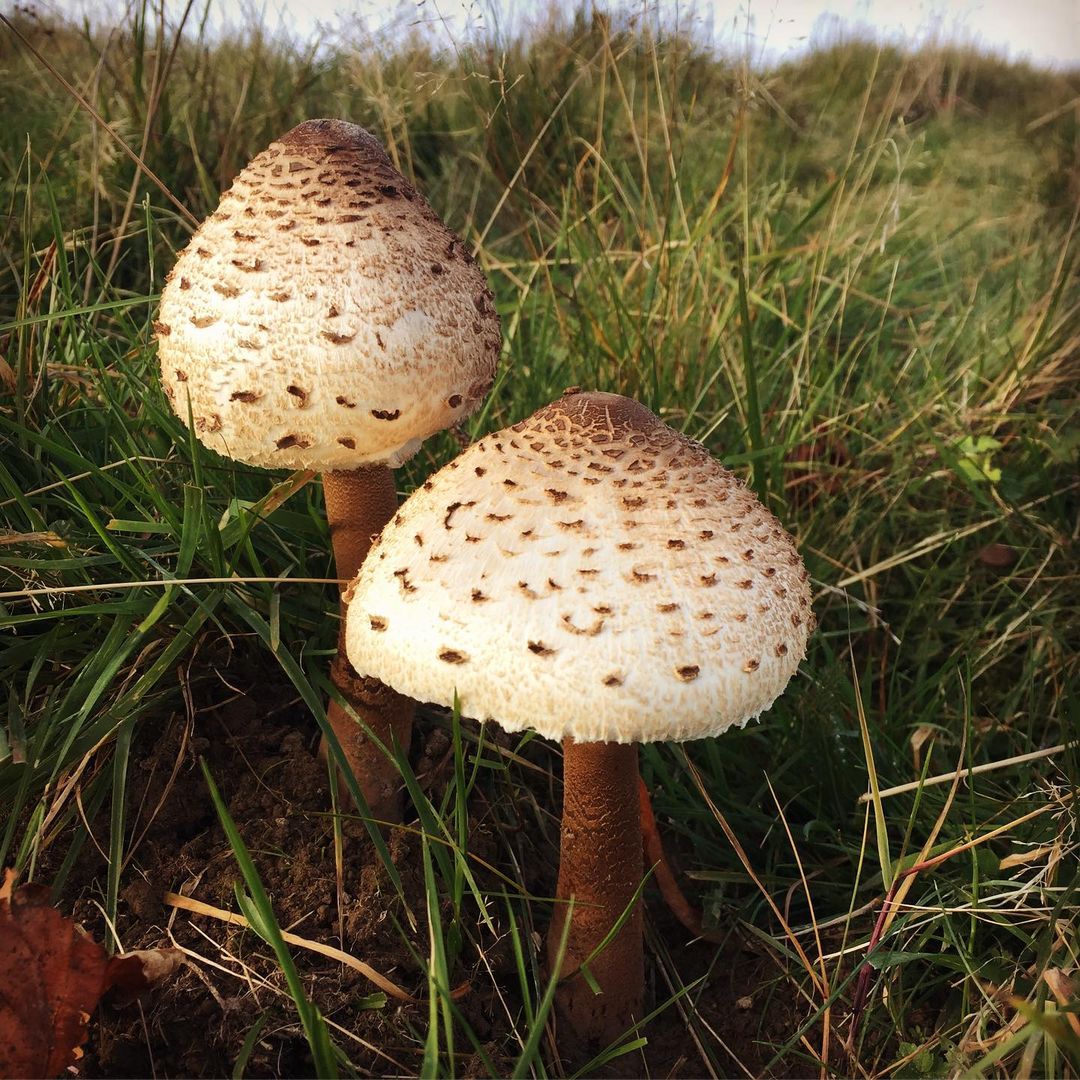
A large mushroom (up to 30 cm in height), red-brown with a bright yellow stalk and white flesh. The cap is convex, but becomes cup-shaped when mature. The mushroom is edible, but only the cap. Scales should be removed before cooking.
Why mushrooms grow in mulch?
If the mulch was laid correctly, it will not be infested with fungi. And if mushrooms appeared, it means that there is too much mulch and it began to retain moisture, which mushrooms love so much.

How to make mushrooms not grow in the mulch?
To get rid of fungi in the mulch, you need to add a fungicide solution to the water. Treat the mulch with this solution until the mushrooms are completely gone. It is also possible to add lime to the water. If you do not know the species of mushrooms that appeared on the mulch, it is better to contact the special authorities in order to properly remove the parasite. In such cases, chemistry is used, mixing in certain percentages.

