
If you have accumulated a large amount of old potting soil, you should not throw it away, because there are many options where it can be applied.
Soil reuse

This can be an economical and environmentally friendly way to further use potting soil. Old soil can be used in the garden in flowerbeds, vegetable gardens, and lawns. It can also be used for repotting houseplants or container plants by mixing it with new soil. Not only is this good for the environment, but it saves you the time and money of buying new soil.
But before reusing it for potted plants, make sure that no diseased plants have ever grown in it. If so, the soil should be thrown out. If healthy plants were growing in the soil, then it is important to sterilize the soil. Dump the old soil into a tight bag and leave it in the sun. Set the bag down for 30 minutes and then flip it over to the other side and time it again for 30 minutes.
Large pots or containers for garden sprouts
Old soil can also be used in wide, deep containers to grow garden seedlings such as spinach and lettuce. In this case, it is important to mix the old soil with new soil and compost. This will create a mix of nutrients that will help the plants thrive. Be sure to sprinkle the top layer with water before planting the seeds. The old soil is best placed on the bottom and a layer of new soil on top of it. If you are adding compost, it is important to mix both the old and new layer of soil with the compost before placing it in the container. This method will save on soil, since large containers always require a large volume of soil.
Old soil for some kinds of flowers

Plants such as geraniums, begonias, and impatiens can also benefit from old potting soil. Spread the potting mix on the bottom of the planting container to create extra drainage for plants that need moist but well-drained soil. This is especially important when growing groundcover plants.
Raised beds
Old soil is very useful as a base layer in beds. In particular, this method works best in raised beds, which makes the task of later growing vegetables or herbs much easier.
Compost
Old soil can be used in compost by mixing it with other organic materials, such as food scraps, yard waste, and manure. This mixture should be kept moist and turned regularly to ensure proper aeration and decomposition. To use old soil in compost, you can first mix it with equal parts of brown materials (such as dried leaves, straw, or shredded paper) and green materials (such as grass clippings, food scraps, or fresh weeds) in a compost bin or pile. You should also add a source of nitrogen, such as blood meal or manure, to provide the microorganisms that break down the organic matter with the necessary nutrients.
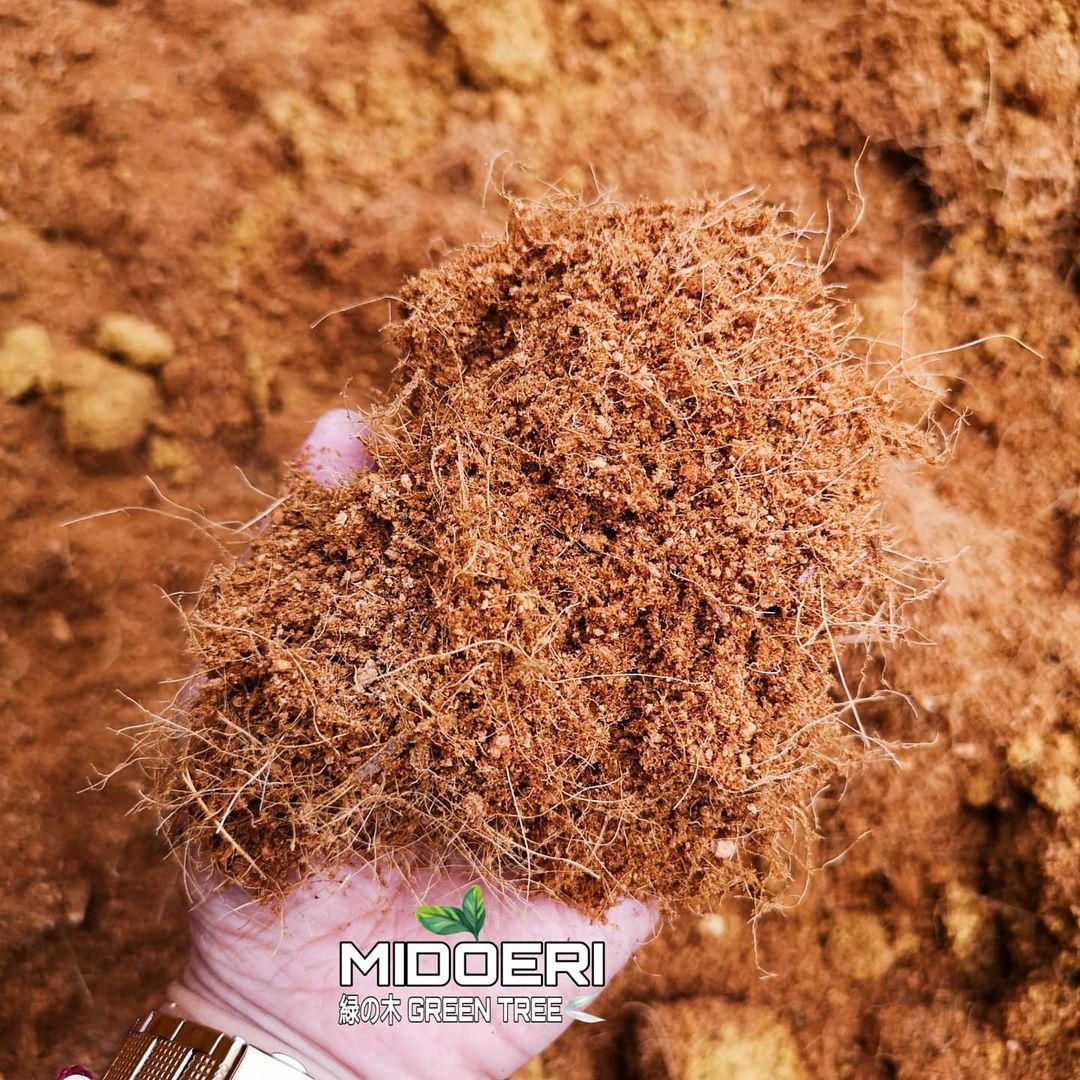
After the mixture is assembled, it should be turned regularly (once or twice a week) to aerate the pile and keep the microorganisms that break down the organic matter alive. Once the compost is ready, usually after several weeks to a few months, it should be dark and crumbly, with a rich, earthy smell.
It is important to note that old soil alone would not be sufficient as a compost, especially if it is heavily compacted or have pesticides, so you should mix it with other organic materials to ensure the proper balance of nutrients and bacteria that aid the decomposition process.
Add soil to outdoor flower beds
Old soil can be used in outdoor flower beds to provide a nutrient-rich environment for plants. Adding it on top of existing soil or digging a trench and incorporating old soil directly into the ground are two effective ways to use it. The nutrients, organic matter and beneficial bacteria in the soil mixture will add life to the garden and help ensure the health of future flowers.
How to dispose of old potting soil?
There are several ways to dispose of old potting soil, depending on the condition of the soil and the resources available in your area. Some options include:
- Disposing at a landfill : If the soil is contaminated, you will have to check with your local landfill or trash collection service, as not all landfills accept potting soil, and it would be best to contact them to know the regulations.
- Specialized Disposal: Some municipalities or waste management companies offer specialized disposal services for certain types of waste, such as hazardous materials or large items.
- Beneficial use: Some old potting soil can be used for beneficial use such as in public garden, community projects, parks etc.
It’s important to consider the condition of the soil before disposing, as some types of soil can contain pests or diseases that could spread to other plants. It’s also important to check if there are any specific regulations for soil disposal in your area.
To the compost collection point
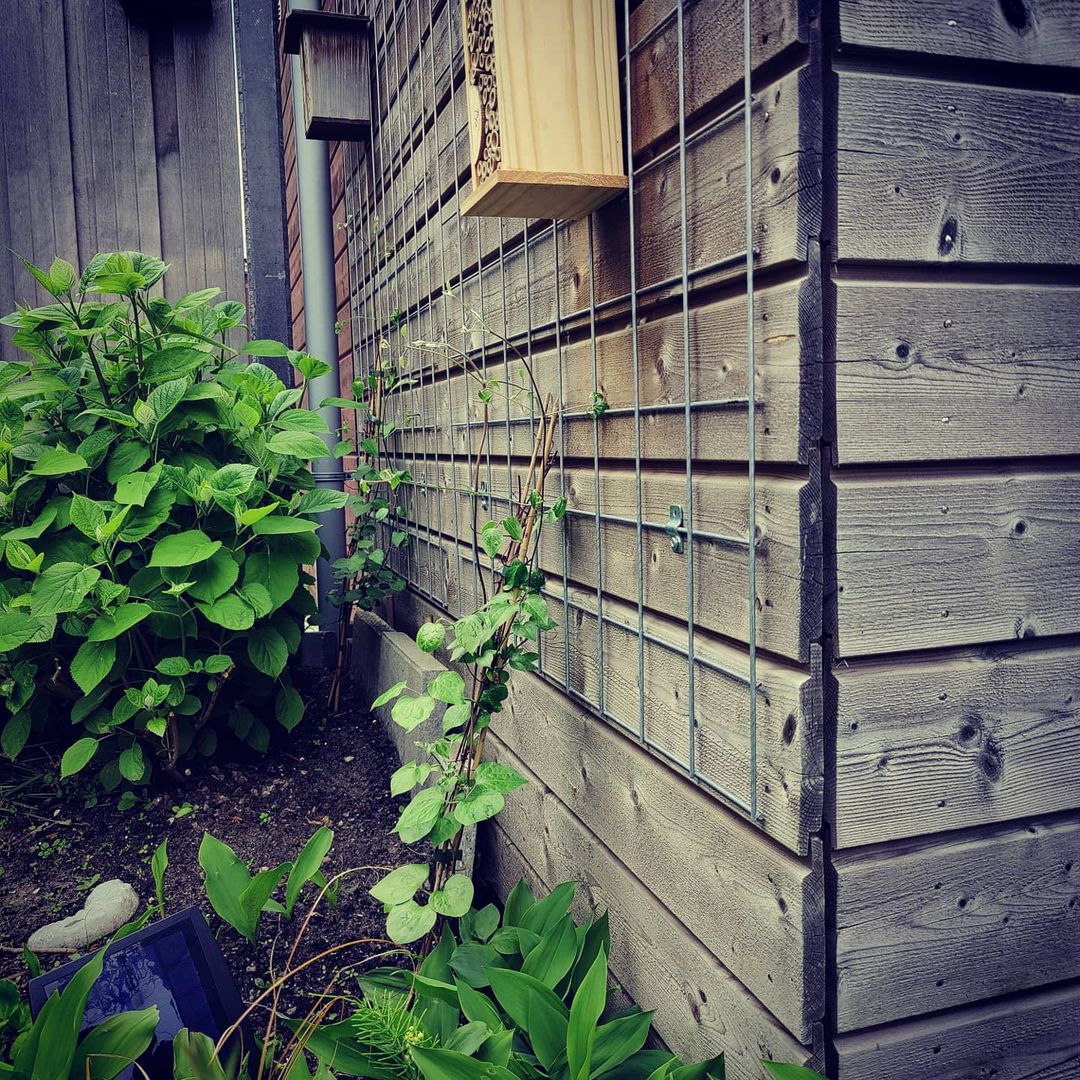
In some cities and towns, you can dispose of old potting soil by turning it in at a local composting facility. Composting services are usually provided by municipal organizations or private companies, and they can collect and recycle organic waste such as old potting soil. Contact your local municipality or waste management company for more information.
Pour old soil into local parks or flowerbeds
Potting soil can act as a useful compost in city parks, flowerbeds and other public areas. It helps retain moisture and add nutrients to the soil while providing aeration and drainage. Donate it to local community gardens or charities that do green initiatives. If there is no such organization in your area, simply spread the soil in your local park and tamp it down well.
Old soil can be donated to the farm
Many farmers are looking for organic soil amendments to improve the health of their land. Contact local farms and gardens in your area and ask if they need soil for composting or planting. They may even be willing to come and pick it up from you!
What is the danger of old soil?

Old soil, also known as “spent soil,” can be difficult to reuse in gardening or farming because it may be depleted of important nutrients, or may contain pests or diseases that could harm new plants. Additionally, old soil may contain chemical residues or pollutants that make it unsafe for growing food. Therefore, it’s typically not recommended to use old soil for growing plants intended for human consumption, without proper testing and treatment.
How do you rejuvenate old potting soil?
There are a few different methods for rejuvenating old potting soil, depending on the specific issues it may have. Some common methods include:
- Adding organic matter: Mixing in well-rotted compost, aged manure, or other organic matter can help to improve the soil structure and add important nutrients.
- Adding fertilizer: If the soil is depleted of certain essential nutrients, you can add a balanced fertilizer to help replenish them.
- Aerating the soil: If the soil is compacted, you can use a garden fork or aeration tool to loosen it up and improve drainage.
- Sterilizing the soil: If the soil is contaminated with pests or diseases, you can sterilize it by baking it in the oven at 180°F for 30 minutes or by treating it with steam.
- Testing the soil: Before using the rejuvenated soil, it is important to test the pH level and the nutrient levels, to ensure that the soil is safe for plants and also ideal for the plants you have in mind
It is important to note that not all the methods may be necessary for the soil to be rejuvenated, it depends on what kind of soil, what kind of plant you want to grow and what are the problems that the soil have.
Is 2 year old potting soil still good?

It depends on a variety of factors, such as how the potting soil was stored and whether or not it was exposed to excessive moisture or other elements that could cause it to break down. In general, potting soil can last for several years if it is stored in a dry, shaded area and not exposed to prolonged periods of excessive moisture. However, it may be less effective at retaining water and nutrients over time. It’s also possible for the soil to develop mold or pests, that could affect the plants.
I would recommend checking the moisture level and the smell of the soil before using it, if it has a musty smell or it’s too dry or too wet that could be an indication that the soil is not in good condition. It could be worth doing a new soil mix and save the older soil for other uses like filling holes or low areas in your garden.
Can I reuse soil in hanging basket?
Yes, you can reuse soil in a hanging basket. However, keep in mind that if the soil is older than one year, it may be depleted of important nutrients or contaminated with pests or disease-causing organisms. Therefore, it’s best to use new potting soil for hanging baskets.
How long is potting soil good?
Potting soil can typically last for several years if it is stored in a dry, shaded area and not exposed to prolonged periods of excessive moisture. However, it may be less effective at retaining water and nutrients over time. It’s also possible for the soil to develop mold or pests, that could affect the plants.
Why you shouldn’t use potting soil in the ground?
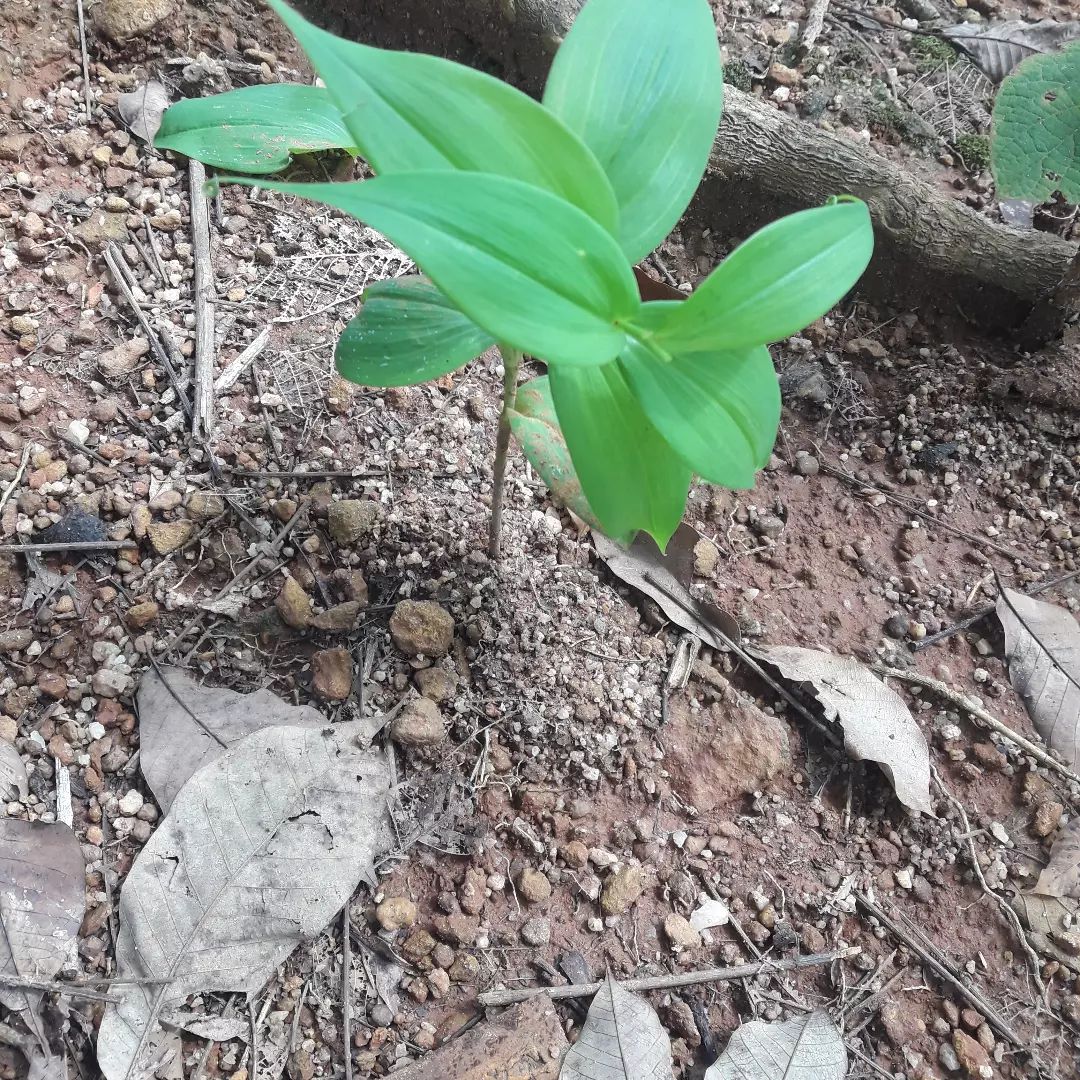
Potting soil is usually not suitable for use in the ground because it lacks certain elements that are essential to plants grown in outdoor soils, such as beneficial microorganisms and larger particles of organic matter. Additionally, potting soil may contain chemical residues or pollutants that could be harmful to plants when used in the ground.
Is potting soil good for trees?
No, potting soil is not usually recommended for trees. Trees need a much looser and more aerated soil to promote root growth and healthy development. Potting soil often doesn’t provide enough nutrients or the right type of structure to support the needs of a tree.
How long is potting soil good for once opened?
Once opened, potting soil can last for several months if it is stored in a dry and shaded area.
How often should potting soil be replaced?
It depends on the kind of plants that are being grown and how well-maintained the potting soil is. If you notice that your plants are struggling, it might be time to replace the soil with a fresh batch or supplement it with additional nutrients.
