
Pumpkin plants are a favorite in many gardens, known for their sprawling vines and the promise of a bountiful harvest in the fall. However, the journey from planting to pumpkin carving starts with the flowers. Understanding when pumpkin plants flower is crucial for ensuring a successful harvest. In this article, I’ll share my experiences and tips on pumpkin flowering, helping you time your garden perfectly.
The Life Cycle of a Pumpkin Plant
Before diving into when pumpkin plants flower, it’s essential to understand their life cycle. Pumpkin plants go through several stages, from seed to mature plant, and flowering is a key part of this process.
Germination and Early Growth
Pumpkin seeds typically germinate within 7-10 days after planting, depending on soil temperature. Once germinated, the plant focuses on establishing strong roots and producing its first true leaves.
Vine Growth and Development
As the plant grows, it begins to send out vines. This stage is crucial as it lays the foundation for future flowering. The vines spread out, searching for space and sunlight, which are vital for the next phase: flowering.
When Do Pumpkin Plants Start to Flower?
Pumpkin plants generally start to flower between 6 to 8 weeks after planting. However, this timeline can vary based on several factors, including the pumpkin variety, growing conditions, and weather.
Factors Affecting Flowering Time
Variety of Pumpkin
Different pumpkin varieties have different growth rates. For example, smaller varieties like ‘Jack Be Little’ may flower earlier than larger ones like ‘Atlantic Giant.’
Growing Conditions
Optimal conditions, such as well-drained soil, full sun, and proper watering, can encourage earlier flowering. In contrast, poor soil quality or inconsistent watering can delay the process.
Weather
Warm temperatures speed up growth, while cooler climates can slow down the entire life cycle, including flowering.
The Role of Male and Female Flowers
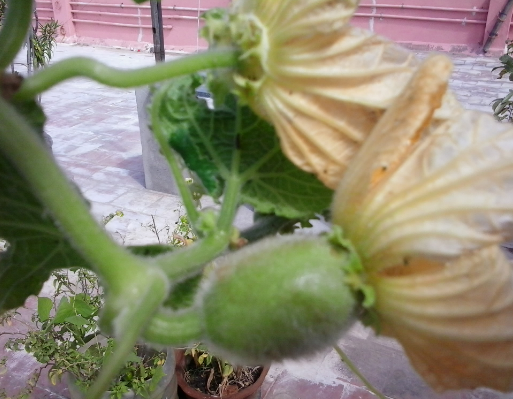
Pumpkin plants produce both male and female flowers. The male flowers usually appear first, often within a week of the flowering phase. Female flowers, which are responsible for fruit production, appear a few days later. Both types of flowers are essential for pumpkin production, as male flowers provide the pollen needed to fertilize female flowers.
Signs That Your Pumpkin Plant is Ready to Flower
As your pumpkin plants approach the flowering stage, you’ll notice several signs indicating that flowers are on the way.
Increased Vine Growth
Before flowering, the plant’s vines will grow rapidly, extending further from the main stem. This growth is a good indicator that the plant is getting ready to produce flowers.
Formation of Flower Buds
Look closely at the vine tips; you’ll start to see small buds forming. These buds will soon develop into the characteristic large, yellow-orange pumpkin flowers.
How to Support Healthy Flowering
Supporting your pumpkin plants during the flowering stage is crucial for a successful harvest. Here are some tips based on my gardening experience.
Ensure Adequate Pollination
Pollination is essential for fruit development. If you’re growing pumpkins in an area with few pollinators, consider hand-pollinating the flowers. This process involves transferring pollen from the male flower to the female flower using a small brush.
Provide Nutrients
Pumpkins are heavy feeders, especially during flowering and fruiting. A balanced fertilizer high in phosphorus can support flower development and improve fruit set.
Water Consistently
Consistent watering is vital during the flowering stage. Aim to keep the soil evenly moist, but avoid overwatering, as this can lead to root rot.
My Experience with Pumpkin Flowering
In my own garden, I’ve found that timing is everything when it comes to pumpkin flowering. One year, I planted my pumpkins a bit later than usual, and the cooler fall temperatures delayed flowering. However, by ensuring proper pollination and providing the right nutrients, I still managed to get a decent harvest.
On the flip side, planting too early can also be a challenge. If the weather is too hot when the plants begin to flower, you might notice that the flowers wilt before they can be pollinated. This happened to me a few summers ago, and it taught me the importance of timing and adapting to the local climate.
Common Issues with Pumpkin Flowering
Sometimes, despite your best efforts, your pumpkin plants may face challenges during flowering. Here are a few common issues and how to address them.
Flower Drop
Flower drop is when flowers fall off the plant without producing fruit. This issue can be caused by extreme temperatures, poor pollination, or nutrient deficiencies.
Solution:
Ensure that your plants are well-watered, and consider providing a balanced fertilizer. If pollinators are scarce, hand-pollination can help.
Lack of Female Flowers
If your plant produces many male flowers but no female flowers, it can be frustrating.
Solution:
Be patient, as female flowers usually appear shortly after the male flowers. Ensuring optimal growing conditions can also help encourage female flower production.
Knowing when pumpkin plants flower is just the beginning. With the right care, timing, and a bit of patience, you’ll be rewarded with a bountiful harvest of pumpkins come fall. Whether you’re growing them for pies, carving, or decoration, understanding the flowering stage is crucial for a successful pumpkin patch.
As an enthusiastic gardener, I’ve learned that every year brings new challenges and lessons in pumpkin growing. But with each season, the joy of seeing those first flowers bloom and knowing that pumpkins are on the way makes it all worth it.
Happy gardening, and may your pumpkin patch thrive!
