
Banana peels are more than just kitchen waste—they’re a powerhouse of nutrients for your compost pile. As an enthusiastic gardener, I’ve experimented with various organic materials in my compost, and banana peels have proven to be a valuable addition. In this article, I’ll explore the benefits of using banana peels in compost, how to incorporate them effectively, and why they’re a game changer for your garden.
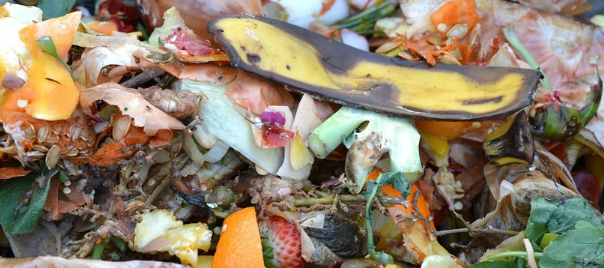
Benefits of Banana Peels in Compost
Rich in Nutrients
Banana peels are packed with essential nutrients that your plants will love. They’re particularly high in potassium, an important mineral that helps plants develop strong roots, resist disease, and produce more flowers and fruits. Additionally, they contain small amounts of calcium, magnesium, sulfur, and phosphates, all of which contribute to healthy plant growth.
Fast Decomposition
Compared to other organic materials, banana peels break down relatively quickly in compost. This means they start releasing their nutrients faster, making them available to plants sooner. This rapid decomposition also helps maintain the heat within the compost pile, speeding up the overall composting process.
Reduces Waste
Using banana peels in compost is a simple way to reduce kitchen waste. Instead of throwing them away, you’re recycling them into something beneficial for your garden. This not only helps the environment but also saves you money on fertilizers and soil conditioners.
How to Use Banana Peels in Compost
Adding Peels Directly to the Compost
One of the simplest ways to use banana peels in compost is to toss them directly into the compost pile. You can add them whole, but for faster decomposition, consider cutting them into smaller pieces. Smaller pieces have a larger surface area, which allows microbes to break them down more quickly.
Drying and Grinding for Later Use
If you have more banana peels than you can immediately use, consider drying them. Lay the peels out in the sun or use a dehydrator until they’re completely dry. Once dried, you can grind them into a powder. This powder can be stored and later sprinkled into your compost or directly around plants as a slow-release fertilizer.
Burying Peels in the Soil
Another method is to bury banana peels directly in the soil. Dig a hole or a trench near the plants you want to feed, place the peels in the hole, and cover them with soil. As they decompose, the nutrients will be released directly into the root zone, where they’re most needed.
Common Questions About Using Banana Peels in Compost
Do Banana Peels Attract Pests?
A common concern is whether banana peels attract pests. In my experience, when peels are properly buried or mixed into the compost, they don’t attract unwanted critters. However, leaving them exposed on top of the soil or compost pile can attract insects like fruit flies. Always ensure that peels are well-covered to avoid this issue.
Can You Use Too Many Banana Peels?
While banana peels are beneficial, moderation is key. Using too many at once can unbalance your compost. The ideal compost pile has a good mix of greens (nitrogen-rich materials like fruit peels) and browns (carbon-rich materials like leaves and straw). Make sure you maintain this balance for optimal composting.
Are There Any Plants That Don’t Like Banana Peels?
Most plants will benefit from the nutrients in banana peels, but be cautious with plants that prefer acidic soils, like blueberries and azaleas. Banana peels can slightly raise the pH of the soil over time, so use them sparingly around acid-loving plants.
My Experience with Banana Peels in Compost
As someone who’s passionate about gardening, I’ve tried various composting methods over the years. Incorporating banana peels has consistently yielded positive results. I’ve noticed that plants, particularly tomatoes and roses, respond exceptionally well to the added potassium from the peels. My compost pile also seems to decompose more evenly and quickly when banana peels are part of the mix.
A tip I often share with fellow gardeners is to collect banana peels in a small container throughout the week and add them to the compost all at once. This way, you’re not constantly running out to the compost pile, and you can ensure they’re well-integrated with other compost materials.
Final Thoughts
Banana peels are an excellent addition to your compost pile. They’re nutrient-rich, decompose quickly, and help reduce waste. Whether you’re an experienced gardener or just starting, incorporating banana peels into your composting routine can significantly benefit your garden. Give it a try, and you’ll likely see healthier, more vibrant plants as a result.
So, the next time you enjoy a banana, remember that its peel has more to offer than you might think—just toss it into your compost and let nature do the rest!
