
Gardening is an enjoyable hobby that many of us engage in to create a beautiful and vibrant outdoor space. While most garden enthusiasts understand the importance of nurturing their plants, many overlook the role of plant clips in promoting healthy growth. In this article, we will explain what plant clips are, why they are crucial, and how to use them properly to maximize your garden’s potential.
What are Plant Clips?
Plant clips are small, plastic or metal clips that are used to secure the stem of a plant to a support structure, such as a stake or trellis. They are designed to provide support to the plant, preventing it from bending or breaking due to the weight of its fruit or flowers.
Why are Plant Clips Important?
Plants that are left unsupported often become leggy, which can cause them to become unstable and fall over. This not only detracts from the appearance of your garden but can also damage the plant itself. In addition, unsupported plants are more susceptible to disease and pest infestations.
Plant clips provide support to the plant, preventing it from falling over and becoming damaged. They also promote healthy growth by allowing the plant to grow taller and stronger. This, in turn, results in more flowers and fruit, adding to the beauty and bounty of your garden.
Different Types of Plant Clips
Stake Clips
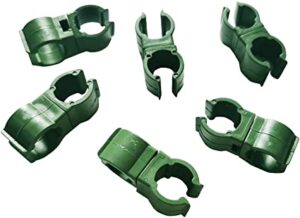
Stake clips are the most common type of plant clip. They are simple and straightforward to use, making them ideal for beginners. Stake clips are designed to secure a plant’s stem to a stake or a cane, providing support and stability.
Loop Clips

Loop clips are a type of plant clip that provides support to the stem by encircling it. Unlike stake clips, loop clips allow the stem to grow and expand without constricting it. This type of clip is perfect for delicate and fragile stems that need extra support.
Saddle Clips
Saddle clips are another type of plant clip that provides support to the stem. They work by encircling the stem and securing it to a stake. This type of clip is best suited for larger and heavier plants that require additional support.
Vine Clips
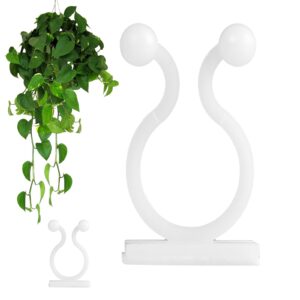
Vine clips are designed for climbing and trailing plants. They come in various shapes and sizes, allowing you to secure the plant to a support structure in a way that is suitable for its specific growth habit.
Latch Clips
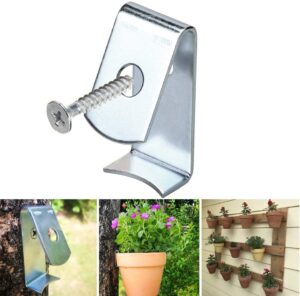
Latch clips are a type of clip that secures the stem to a support structure with a simple locking mechanism. They are easy to use and provide a secure grip, making them ideal for larger and heavier plants.
Spiral Clips
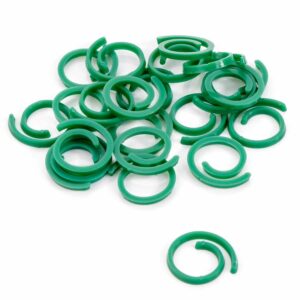
Spiral clips are a type of clip that provides support to the stem by spiraling around it. They are a great alternative to traditional stake clips, as they allow the stem to grow freely without constricting its growth.
Hinged Clips

Hinged clips are a type of clip that provide support to the stem by securing it to a stake or support structure. They are designed with a hinged mechanism, allowing you to adjust the level of support as the plant grows.
Adjustable Clips

Adjustable clips are a type of clip that can be adjusted to provide the right level of support to the stem. They are ideal for plants that are growing at different rates, as you can adjust the clip to provide the right level of support to each stem.
Biodegradable Plant Clips

Biodegradable plant clips are a type of clip made from natural, biodegradable materials such as corn starch or bamboo. They are designed to be used in the garden to hold plants in place, but unlike plastic clips, they break down and decompose over time. This makes them a much more environmentally friendly option for gardeners.
Multi-Clips
Multi-clips are a type of clip that is designed to support multiple stems. They are ideal for plants that have several stems growing from the same point, as they allow you to secure all the stems to a single support structure.
How to Use Plant Clips Properly
Using plant clips properly is crucial for promoting healthy growth and preventing damage to your plants. Here are some tips for using plant clips effectively:
- Step 1: Identify the right plant clip for your needs Before you start using plant clips, you need to make sure that you have the right type of clip for your plants. There are several different types of plant clips available, including plastic clips, metal clips, and fabric clips. The type of clip you need will depend on the size and type of your plants, as well as the location where they are growing.
- Step 2: Choose the right size of clip Once you have identified the right type of clip, you need to choose the right size. Plant clips come in different sizes to accommodate different plant stems and branches. It is important to choose the correct size so that the clip can securely hold the plant without causing damage to the stem.
- Step 3: Clean the area around the stem Before you apply the clip, you should clean the area around the stem of your plant. This will help to ensure that the clip adheres properly and does not cause damage to the stem.
- Step 4: Place the clip around the stem Once you have cleaned the area around the stem, you can place the clip around the stem. Make sure that the clip is positioned correctly and that it is secure. If you are using a fabric clip, make sure that the fabric is not too tight, as this could cause damage to the stem.
- Step 5: Adjust the clip as needed After you have placed the clip around the stem, you may need to adjust it. This is particularly important if you are using a metal clip, as these clips can be difficult to adjust once they have been applied. Make sure that the clip is positioned in a way that provides support to the plant without causing damage to the stem.
- Step 6: Check the clip regularly It is important to check the clip regularly to make sure that it is still providing support to the plant. If the clip becomes loose or starts to cause damage to the stem, you should adjust it or replace it with a new clip.
- Step 7: Remove the clip when it is no longer needed Finally, you should remove the clip when it is no longer needed. This could be because the plant has grown stronger and no longer needs support, or because the plant has been moved to a location where it will receive sufficient support from other means. Removing the clip when it is no longer needed will help to prevent damage to the stem and will help to ensure that the plant continues to grow healthily.
Conclusion
Plant clips are a simple and effective tool for promoting healthy growth in your garden. By providing support to the plant and preventing it from falling over or becoming damaged, they can help you to achieve the beautiful and bountiful garden you have always wanted. By following the tips outlined in this article, you can use plant clips effectively to maximize the potential of your garden.
FAQs
1. How many plant clips do I need for my garden?
The number of plant clips you will need will depend on the size of your garden and the number of plants you have. A general rule of thumb is to use 2-3 clips per plant, but you may need more or fewer depending on the size and type of plant you are supporting.
2. Can plant clips be used on both indoor and outdoor plants?
Yes, plant clips can be used on both indoor and outdoor plants. However, be sure to choose a clip that is suitable for the type of plant you are supporting and the environment in which it is growing.
3. Do I need to remove the plant clips after my plants have grown?
It is generally recommended to remove the plant clips once the plant has reached its desired height and has established a strong, upright stem. However, some clips can be left in place to provide ongoing support to the plant.
4. How long do plant clips last?
The lifespan of plant clips can vary depending on the material and quality of the clip. Some plant clips are made from durable, long-lasting materials and can last for several years, while others may need to be replaced more frequently.
5. Can I use plant clips on plants with delicate stems?
Yes, plant clips can be used on plants with delicate stems. However, be sure to choose a clip that is gentle and will not cause damage to the stem. There are plant clips specifically designed for delicate plants that provide support without causing harm.
