
Hey there, tree enthusiasts! If you’re anything like me, you’ve spent countless hours marveling at the elegance of trees—those towering giants that give us shade, beauty, and yes, the oxygen we breathe. But like any living thing, trees need a bit of TLC to stay healthy and handsome. Enter: tree trimming, the age-old practice that has landscapers and gardeners buzzing (and snipping) year-round.
Ah, but here comes the million-dollar question: When is the perfect time to trim those leafy giants in your yard? We’ve all heard grandma saying, “Trim the trees before the first bud of spring,” or perhaps, Uncle Joe swearing by his “winter prune-a-thon” strategy. Myths and conflicting advice are as rampant as ivy on an oak.
That’s why we’re here today, to dig deep (not literally, we’re talking about trimming, not uprooting) into one specific query: Can you trim trees in the summer? By the end of this comprehensive guide, you’ll know whether to break out the shears this season or wait for another month where layers are more in fashion.
Concerns About Summer Tree Trimming
Ah, summer—the season of barbecues, beach trips, and… tree trimming anxiety? Yep, you read that right. While most of us are soaking up the sun, some are getting heated about whether they should snip away at their foliage. The idea of summer tree trimming brings its own set of reservations and debates.
The Stress Factor
First up, let’s talk about tree stress. You know how you get irritable when it’s too hot? Trees can experience a similar form of stress when pruned under scorching conditions. The theory goes like this: Trimming opens up wounds on the tree, and doing this in the summer heat might cause more harm than good. The tree has to divert its energy to heal these cuts, rather than simply enjoying its photosynthesis-filled summer days.
When Pests Come to Play
Then there’s the Bug and Germ Party. No, that’s not a festival you want a ticket to. When you trim a tree, you expose its inner layers, making it a potential paradise for pests and diseases. Critics argue that during the summer, when creepy-crawlies are out in full force, you’re essentially rolling out a welcome mat for them.
The Winter School of Thought
And of course, we can’t forget the ardent supporters of the “Winter-Only Trimming Club.” The belief here is that trees are in a dormant state during winter, making it the safest period to trim without causing undue stress or inviting diseases. It’s like giving someone a haircut while they’re asleep, or so the logic goes.
| Season | Pros | Cons | Common Belief |
|---|---|---|---|
| Summer | Easier to identify branches | Increased stress, more pests | Risky; could harm the tree |
| Winter | Dormant state, less stress | Cold could delay healing | Safest time for trimming |
| Spring | Pre-growth cleanup | Risk of cutting new buds | Good for some, bad for others |
| Fall | Few pests | Tree preparing for dormancy | Not recommended by most experts |
Traditional Best Times for Tree Trimming
Alright, let’s rewind the tape and head back to the classic hits of tree care. Tradition, folklore, and even science have often pointed to two main periods as the golden eras for tree trimming: Early Spring and Late Fall or Early Winter. Let’s dissect why these two seasons often win the “Best Times to Trim Trees” award year after year.
Early Spring: The “Pre-Bloom Bloomers”
Springtime is like the Monday morning of nature—everything is waking up, stretching, and preparing for a productive week… or in this case, a growing season. Trimming your trees in early spring, before that new growth kicks in, is akin to taking a refreshing shower to jump-start your day.
- Pros:
- No leaves in the way, making it easier to see what you’re doing.
- You nip potential issues in the bud (literally) before they become big problems.
- Cons:
- Cutting too late can jeopardize new growth.
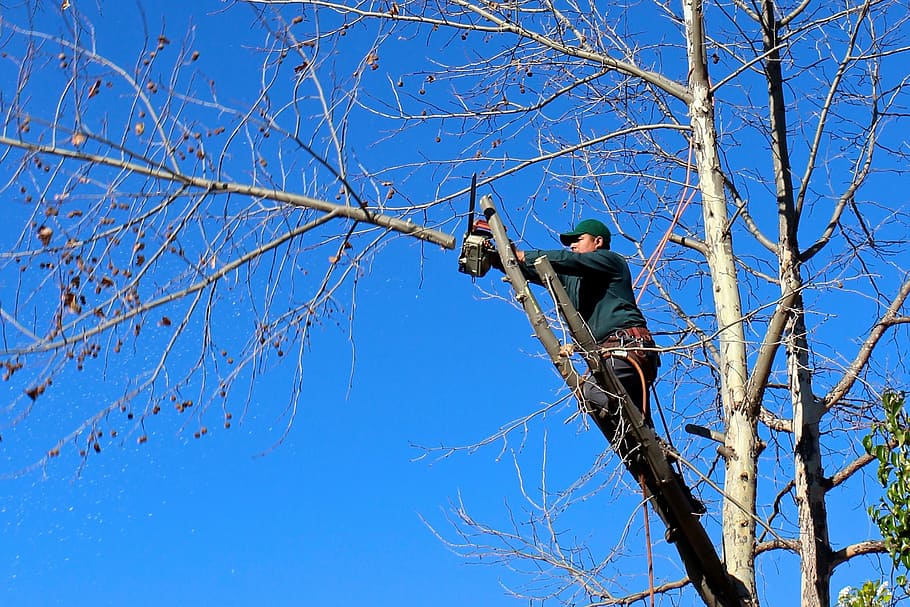
Late Fall or Early Winter: The “Let’s Hibernate” Phase
As winter approaches and temperatures drop, trees go into their dormancy phase. Think of this as their “Do Not Disturb” sign. Trimming during late fall or early winter minimizes stress because trees are already in energy-saving mode.
- Pros:
- Minimal sap flow means cleaner cuts and less sticky mess.
- Dormancy means faster healing, as the tree doesn’t have to multitask between growth and recovery.
- Cons:
- Cold temperatures might slow down the healing process, but it’s generally a safer bet.
| Season | Why It’s Considered Ideal | Caveats |
|---|---|---|
| Early Spring | Pre-growth period, easier visibility | Risk of hindering new growth |
| Late Fall/Winter | Dormant state, less stress on tree | Cold could slightly delay healing |
Benefits of Summer Tree Trimming
As temperatures rise and the scent of sunscreen fills the air, you may find yourself asking, “Is this the right time to give my trees a summer makeover?” Good news: Summer isn’t just for pool parties and sunburns; it can also be a great time for some strategic tree trimming. Let’s explore why:
1. Spotting the Bad Apples (or Branches)
The lush foliage of summer makes it super easy to identify dead or diseased branches. Unlike in the winter when everything is bare and dreary, summer brings out the life in your trees, making the unhealthy parts glaringly obvious. It’s like shining a spotlight on a stage—only the bad actors can’t hide.
2. Storm Damage Control
Summer storms can be as dramatic as a season finale of your favorite TV show. The downside? Sometimes they leave behind a mess of broken or damaged branches. Trimming immediately after a storm can prevent further damage and allow the tree to heal more quickly.
3. Light as a Feather
Believe it or not, summer foliage is often lighter than spring foliage, making the branches easier to manage. It’s like trying to cut through butter that’s been on the countertop versus right out of the fridge. Your shears will thank you.
4. Summer-Loving Species
Some trees actually benefit from a summer trim. Certain species have “closed” periods of wound healing that align perfectly with the summer months. Research your specific tree types to see if they belong to the summer-loving category.
Risks of Summer Tree Trimming
Now, I’d never ask you to jump off the diving board without first checking the water’s depth. Summer tree trimming does come with its own set of snorkeling gear…err, I mean, caveats.
1. The Pests are Back in Town
As mentioned earlier, the summer season is like a VIP lounge for pests and diseases. The cuts you make on the tree might as well be a neon sign that says, “Open for Infestation!”
2. Don’t Sweat It? The Trees Might
Just as you don’t like working too hard on a hot day, trees aren’t fans of expending extra energy to heal wounds in the summer heat. This can lead to unnecessary stress on your leafy pals.
3. Not a One-Size-Fits-All Deal
While some trees might love a good summer trim, others may retaliate by becoming weak or even diseased. It’s crucial to know what species you’re dealing with before you go Edward Scissorhands on them.
| Consideration | Pros | Cons |
|---|---|---|
| Identification of Problem Areas | Easier in summer | – |
| Weather-Related Damage | Immediate correction possible | – |
| Foliage Weight | Lighter in summer | – |
| Risk of Pests | – | Higher in summer |
| Tree Stress | – | Potential increase |
| Species Specifics | Some prefer summer | Some may not respond well |
Best Practices for Summer Tree Trimming
So, you’ve decided to throw caution to the (summer) wind and give those trees a snip-snip! Whether you’re a seasoned pro or someone who just found out what an “arborist” is (hint: it’s a tree expert, not a pirate), there are ways to trim your trees safely and effectively during the warm months. Let’s delve into the best practices for summer tree trimming that’ll make even your shrubs green with envy.
1. Know Thy Tree
Certain trees are just made for the summer limelight. For example, walnut, oak, and birch trees typically fare well with summer pruning. However, trees like maples and dogwoods, which are prone to “bleeding” sap, are better left for other seasons.
2. The Right Tools for the Job
Imagine trying to slice a watermelon with a butter knife. Don’t be that person. Instead, equip yourself with the proper tools to get the job done:
- Hand Pruners: For smaller branches less than 3/4-inch in diameter
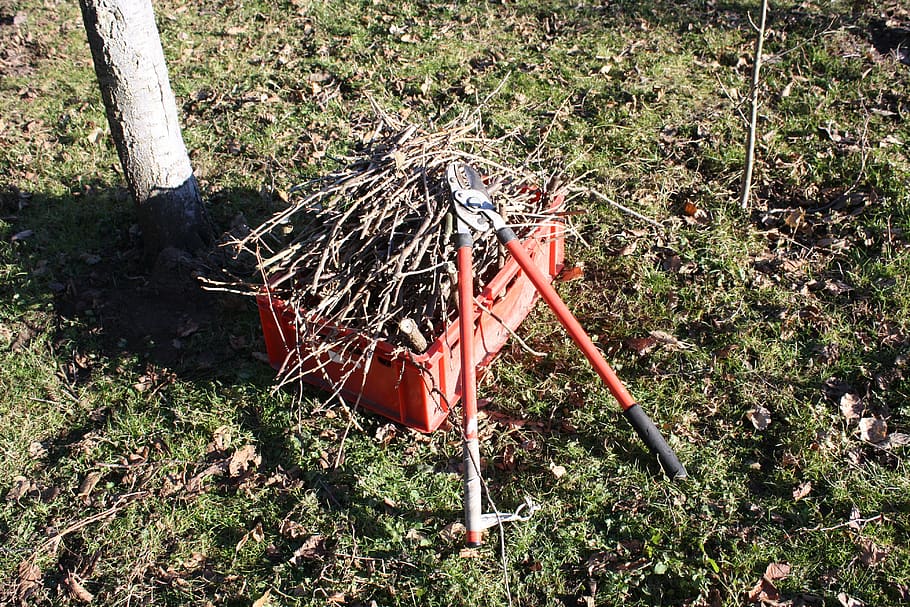
- Loppers: For branches 3/4-inch to 1.5-inch in diameter
- Pruning Saw: For larger branches over 1.5-inch in diameter
And remember, always keep your tools clean and sharp to minimize damage to the tree.
3. Summer-Safe Techniques
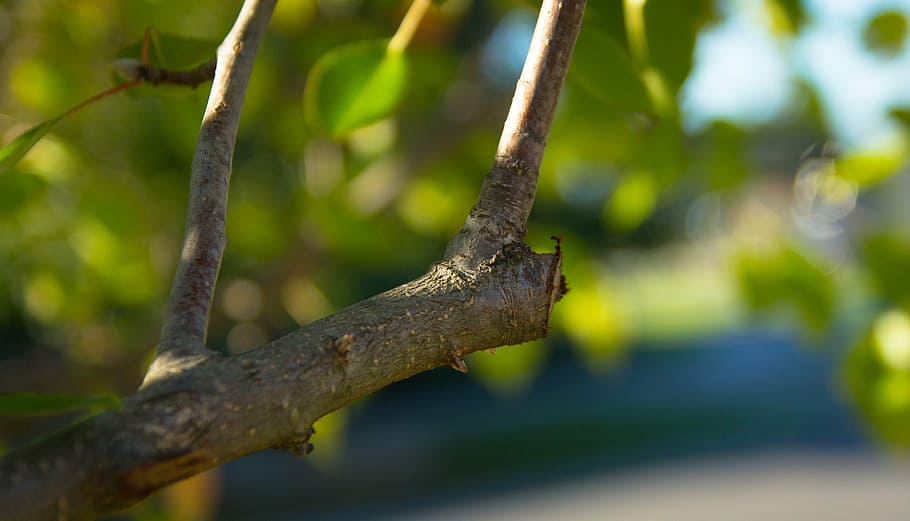
- Directional Cutting: Aim to cut just outside the branch collar to promote healthy healing.
- Canopy Thinning: This technique can help to reduce the tree’s vulnerability to summer storms by reducing wind resistance.
- Never Top a Tree: Cutting the top off a tree can lead to weak structure and increased vulnerability to pests and diseases.
4. Safety First, Always
The summer sun can make you more cavalier than you should be. Remember to:
- Use protective gear such as gloves and safety goggles.
- Avoid pruning near power lines.
- Stay hydrated and take frequent breaks to avoid heat exhaustion.
5. When in Doubt, Consult an Expert
The final piece of advice? Don’t be too proud to ask for help. Consult with arborists or tree service professionals for their expertise, especially if you’re unsure about what to do. They can provide species-specific advice and may even identify issues you weren’t aware of.
Questions and Answers
Alright, let’s jump into the questions that are probably buzzing around in your mind like bees in a flower garden. I’ve got your answers right here, so grab your notepad or just mentally screenshot these nuggets of wisdom!
Q: Is it harmful to trim trees in the summer?
Answer: It’s not a clear-cut yes or no; it depends on the type of tree and how you go about the trimming process. Like making a summer cocktail, the right ingredients (tree species, tools, and techniques) are key to a successful outcome.
Q: What kinds of trees can be safely trimmed in the summer?
Answer: Some deciduous trees like oaks and walnuts are summer-friendly, and many fruit trees such as apple and cherry also appreciate a little summer cut. Basically, do your homework, and if your tree’s report card says “Plays well in summer,” you’re good to go.
Q: How can I minimize the risks associated with summer tree trimming?
Answer: Imagine you’re a tree surgeon for a day. Use sharp tools to make clean cuts and sanitize them between each snip to avoid spreading disease. Also, avoid cutting too close to the trunk, as this can lead to larger wounds and increased stress on the tree.
Q: Should I hire a professional for summer tree trimming?
Answer: If your tree is as big as your summer vacation plans or if you’re just unsure about what you’re doing, hiring a professional is highly recommended. An arborist can guide you through the process like a seasoned tour guide, minus the tacky hat.
Q: How much should I trim?
Answer: Generally speaking, you should aim not to remove more than 25% of a tree’s foliage in a single year. Overdoing it is like getting an extreme summer haircut—you might regret it when you can’t achieve the “perfect messy bun.”
Whether you choose to brave the summer sun or decide to chill out and wait for the cooler months, remember, you’re the master of your own foliage destiny.
