Centipede grass is often hailed as the “lazy man’s grass” because of its low-maintenance nature, and Pennington Centipede Grass Seed is a top choice for those looking to cultivate a beautiful, easy-to-care-for lawn. In this article, we’ll dive into everything you need to know about Pennington Centipede Grass Seed, from its benefits and planting tips to my personal experiences and advice as an enthusiastic gardener.

Why Choose Pennington Centipede Grass Seed?
Benefits of Centipede Grass
Centipede grass is a warm-season grass known for its ability to thrive in poor soils and its resistance to pests and diseases. Here are some key benefits:
- Low Maintenance: Once established, centipede grass requires minimal mowing and fertilization.
- Drought Tolerance: This grass type is highly drought-tolerant, making it ideal for regions with hot, dry summers.
- Pest Resistance: Centipede grass is naturally resistant to many common lawn pests, reducing the need for chemical treatments.
- Slow Growth: Its slow-growing nature means less frequent mowing, which is perfect for those who prefer a low-maintenance lawn.
Why Pennington?
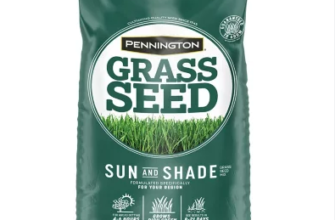
Pennington is a trusted name in lawn care, and their centipede grass seed is no exception. The seed is carefully selected and tested to ensure high germination rates and healthy growth. Plus, Pennington offers a variety of centipede grass seed mixes, including options with added mulch or fertilizer to give your lawn a head start.
How to Plant Pennington Centipede Grass Seed
Preparing the Soil
Before planting, it’s crucial to prepare your soil to ensure the best possible results. Here’s what I recommend:
- Soil Testing: Start by testing your soil’s pH. Centipede grass thrives in slightly acidic soils with a pH between 5.0 and 6.0. If your soil is too alkaline, you may need to amend it with sulfur.
- Clearing Debris: Remove any existing grass, weeds, or debris from the area where you plan to plant the seed. A clean slate will give your new grass the best chance to establish.
- Loosening the Soil: Use a tiller or garden fork to loosen the top 2-3 inches of soil. This will help the seed make good contact with the soil and improve germination.
Sowing the Seed
Planting Pennington Centipede Grass Seed is straightforward, but there are a few tips to ensure success:
- Timing: The best time to plant centipede grass seed is in late spring to early summer when soil temperatures are consistently warm.
- Seeding Rate: Spread the seed at a rate of about 1/4 to 1/2 pound per 1,000 square feet. You can use a broadcast spreader for even distribution.
- Covering the Seed: Lightly rake the soil to cover the seed with a thin layer of soil. Be careful not to bury the seed too deeply; centipede grass seed needs light to germinate.
- Watering: Keep the soil consistently moist until the grass is established. This may require daily watering in the early stages.
My Experience with Pennington Centipede Grass Seed
As someone who loves the look of a lush lawn but doesn’t have the time for high-maintenance grass types, I found Pennington Centipede Grass Seed to be a game-changer. I followed the steps above, and within a few weeks, I saw the first signs of growth.
One piece of advice I’d offer is to be patient. Centipede grass is slow to establish compared to other grass types, but the results are worth the wait. I also recommend overseeding every few years to keep your lawn thick and healthy.
Caring for Your Centipede Grass Lawn
Watering and Fertilizing
Once established, centipede grass is incredibly drought-tolerant, but it still benefits from occasional deep watering, especially during prolonged dry spells.
- Watering: Water your lawn deeply but infrequently. This encourages the roots to grow deep, making the grass more resilient to drought.
- Fertilizing: Centipede grass doesn’t require much fertilizer. In fact, over-fertilizing can do more harm than good. I recommend applying a slow-release fertilizer with low nitrogen content once a year in late spring.
Mowing Tips
- Height: Mow your centipede grass to a height of about 1.5 to 2 inches. Avoid cutting it too short, as this can stress the grass and make it more susceptible to weeds.
- Frequency: Thanks to its slow growth rate, centipede grass doesn’t need frequent mowing. I usually mow mine every two weeks during the growing season.
Common Issues and How to Solve Them
Yellowing Grass
One issue some people face with centipede grass is yellowing, which is often due to iron deficiency. If you notice your grass turning yellow, applying an iron supplement can help restore its vibrant green color.
Thatch Buildup
Centipede grass can develop a layer of thatch over time, which can inhibit water and nutrient absorption. To combat this, I recommend dethatching your lawn every few years. You can use a rake or a power dethatcher for this task.
Final Thoughts
Pennington Centipede Grass Seed is an excellent choice for anyone looking to create a beautiful, low-maintenance lawn. With the right preparation and care, you can enjoy a lush, green yard with minimal effort. As someone who’s passionate about gardening but short on time, I’ve found centipede grass to be the perfect solution. If you’re ready to transform your lawn, give Pennington Centipede Grass Seed a try—you won’t be disappointed!