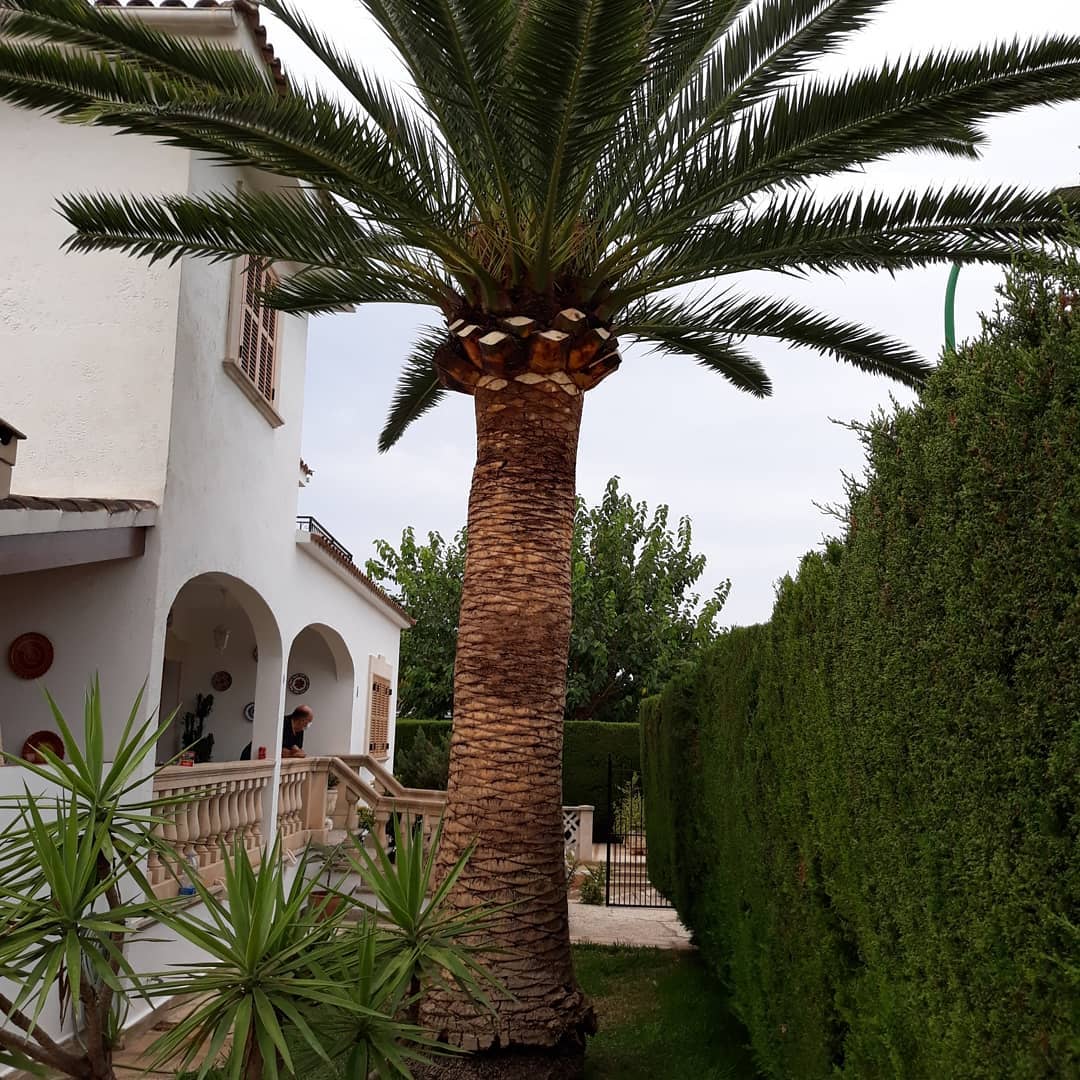
When it comes to planting trees, you need to have the right soil in order for them to thrive. Different types of trees require different types of soil. If you’re not sure what type of soil your tree needs, or you’re looking for a new type of soil to plant in, then read on! In this blog post, we will discuss the different types of soil that are best for rubber trees, dragonwood trees, palm trees, and other types of plants.
Soil for a rubber tree
A good mix of soil for rubber tree
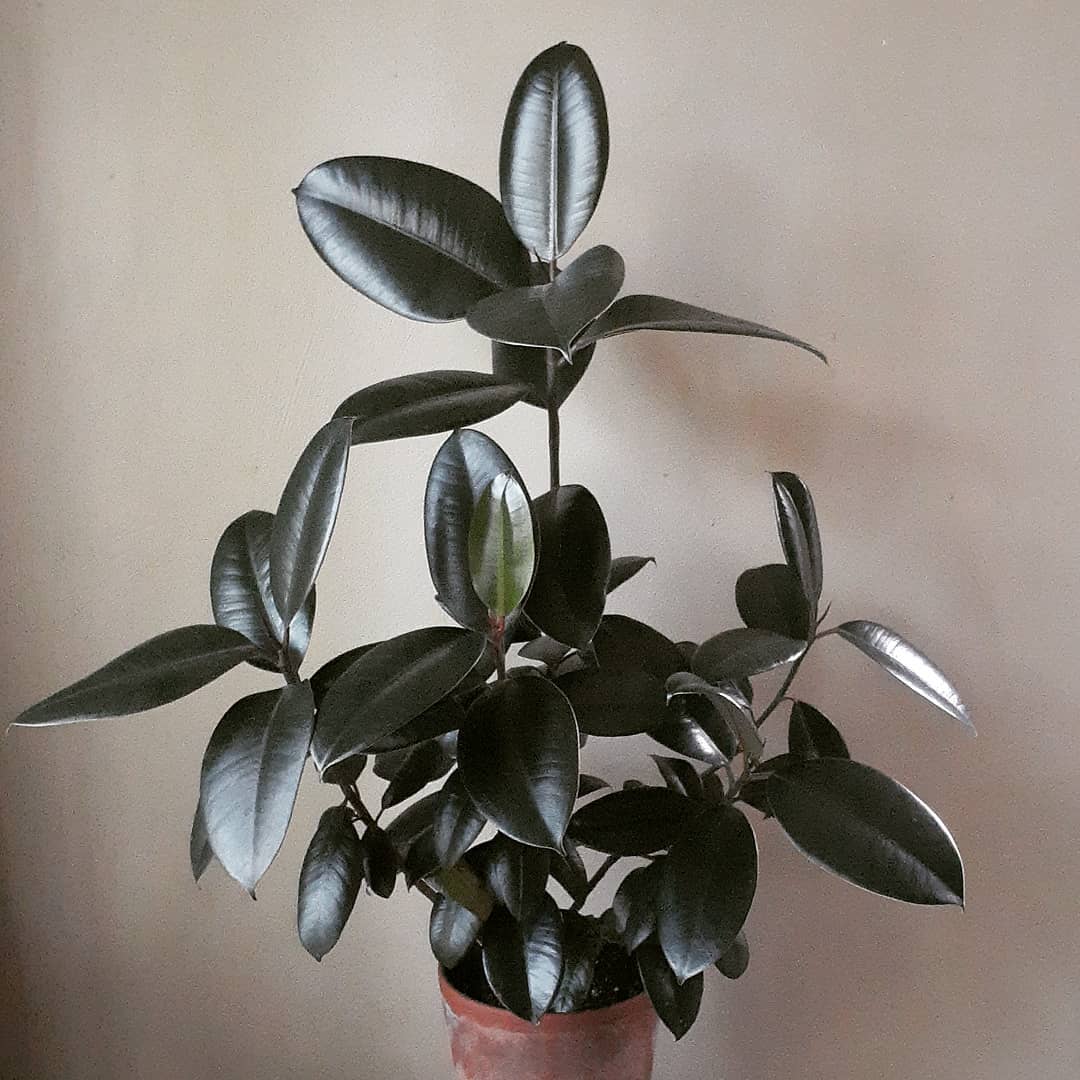
In general, the soil should be well drained and have a pH of five and a half to seven. It is better to mix one part of the peat and soil together, and add another part of pine bark, coarse sand and perlite.
You can read about how to properly care for the rubber tree and different ways to propagate it by clicking on the links.
Problems from improperly selected soil
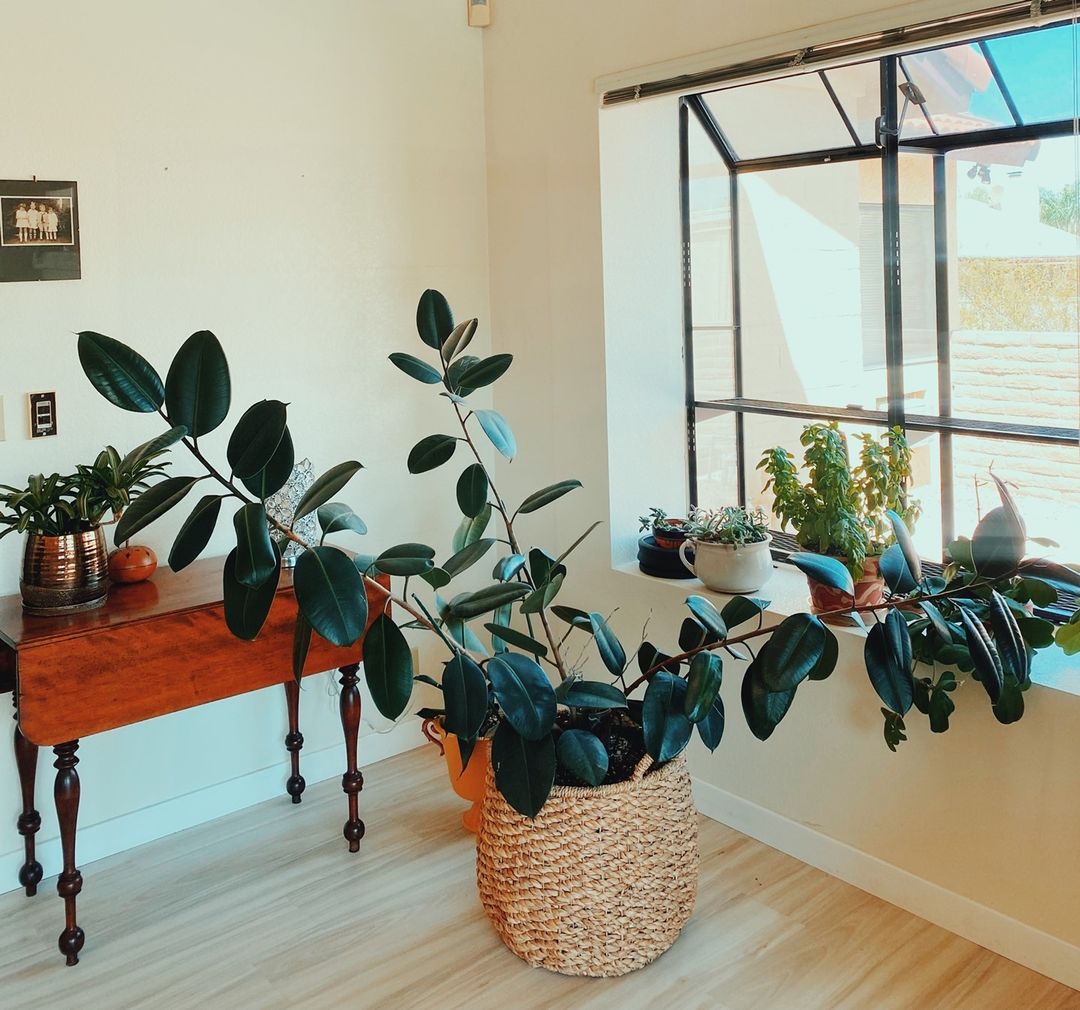
Soil for rubber plants is similar to soil for other houseplants. The difference is that the soil must be appropriate for the size of your plant’s roots. It should have good drainage so that water doesn’t stay at the bottom and rot in the roots.
If you choose the wrong soil, the following problems can occur:
- The leaves of the rubber plant will turn yellow or brown, which may not be pronounced right away, but the problem will worsen over time;
- Yellow or brown spots of varying diameters may also appear on the leaves;
- Leaves may fall off and the plant itself may seem to droop;
- Root rot may occur.
Problems with low soil moisture
If you added too much sand when mixing the soil, the soil will dry out faster between waterings. You will notice this almost immediately as the plant becomes stressed. If the leaves have a crispy texture and should be waxy in appearance and the leaves curl inward, then the soil is not moist enough. Here you need to determine a more frequent watering schedule for yourself, or change the soil completely for the plant.
The importance of well-drained soil
The roots of the rubber plant are prone to rot if the soil is poorly drained. For this reason, it is important to monitor watering and make sure the container has a drainage hole to allow water to flow freely through the soil. This will also help prevent bacterial and fungal diseases.
It is also very important to consider this fact when mixing the soil. The ideal is peat moss, tree bark, perlite and coarse sand. You can buy a special ready-made mix at a gardening store.
Soil for the dragon tree
What kind of plant is the dragon tree?
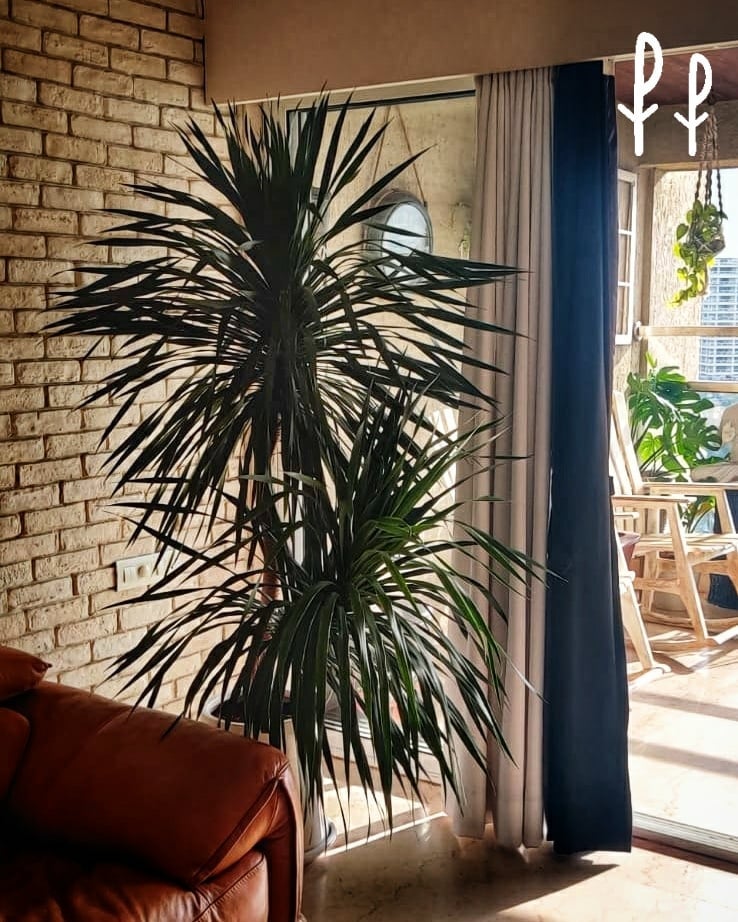
The dragon tree is a tropical plant native to Madagascar. It can grow up to 20 feet tall, likes warm climates well, so it is allowed to grow both indoors in a pot and outdoors in the open air. The botanical name of the plant is Dracena marginata. Under this name it is better known in horticultural stores.
Ideal soil
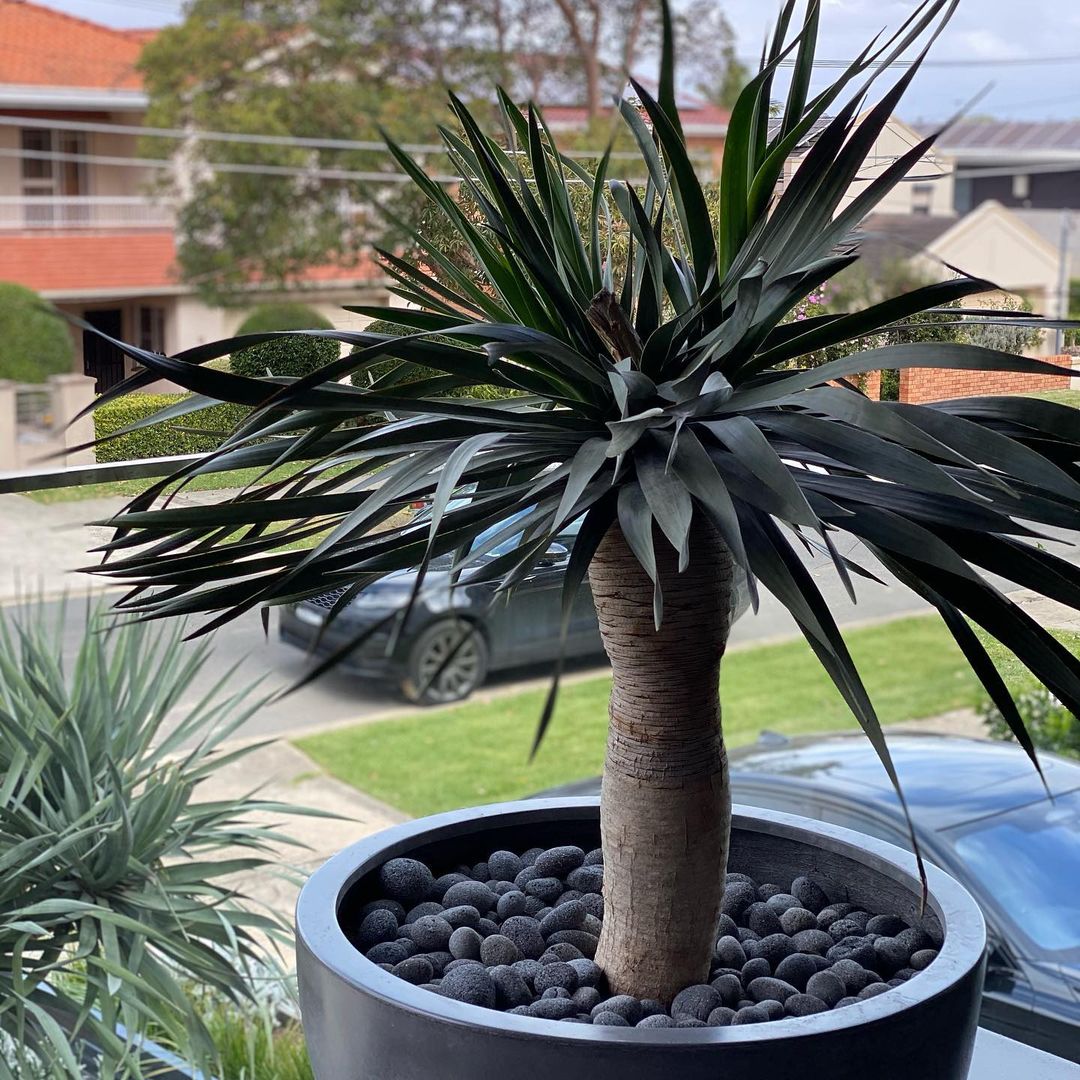
The dragon tree prefers well-drained soil, which should consist of two parts peat moss or potting mix and one part sand. Loamy soil mixed with peat moss can also be used. It is best to use a low-quality type of soil that will provide plenty of water drainage. The roots of the plant are prone to rot if the soil has poor drainage properties.
Not only is good soil important, but so is the pot or container in which the dragon tree is grown. It is important that the pot is able to accommodate the entire root system of the plant, otherwise the plant can become diseased.
Problems from improperly selected soil for the dragon tree plant
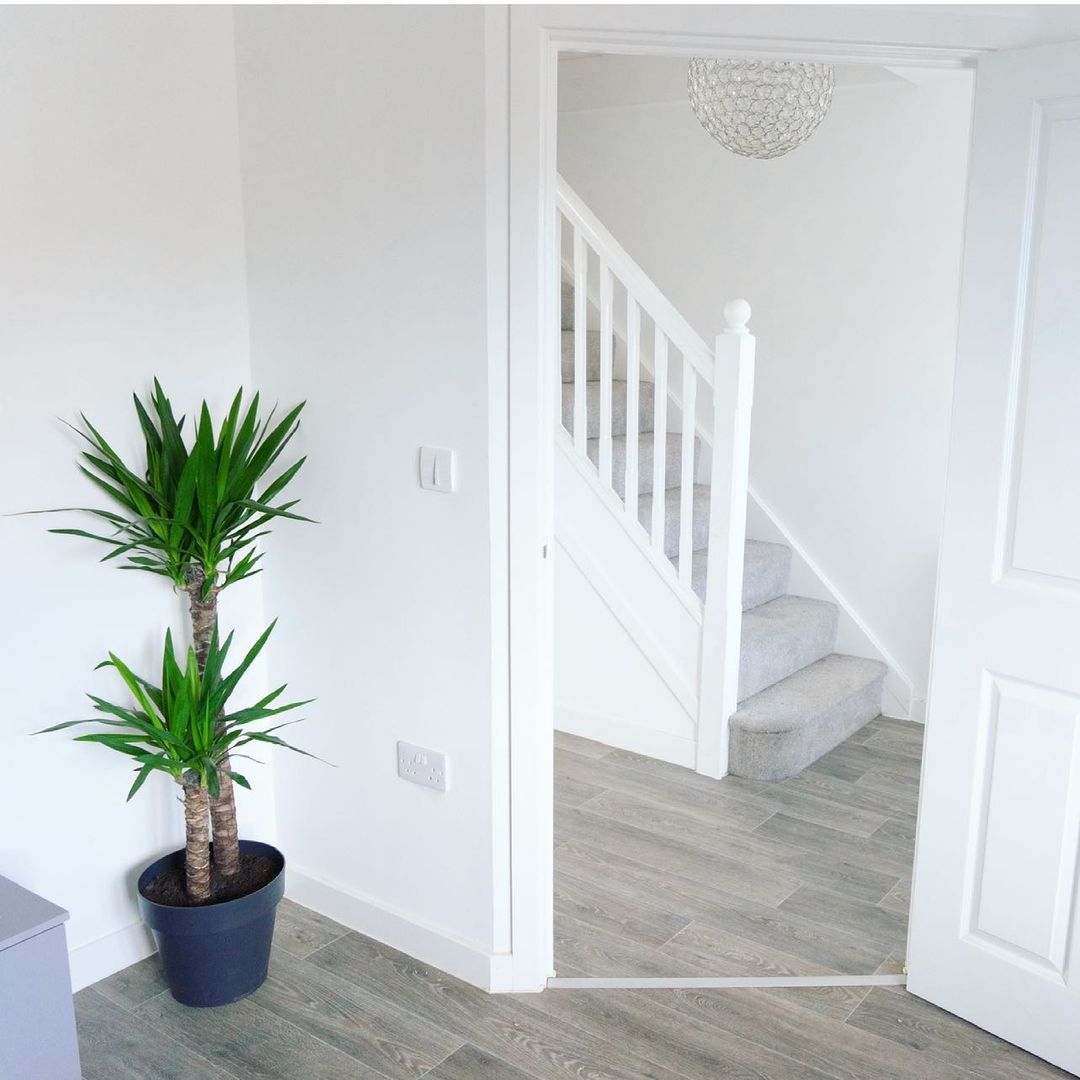
The dragonfly is one of the most popular houseplants. It looks great, has a decorative appearance and is quite easy to care for, but despite this, it is not suitable for everyone. The reason: This exotic beauty can grow up to two meters tall and wide in a short time – so it always needs nutritious and well-chosen soil.
If the soil is not mixed correctly, the plant can have the following problems:
- If the plant gives yellow leaves, it is not getting enough nutrient moisture. It could be that the soil is too dry, or it could be watering. Here you need to rule out one or the other. Start by watering more often and if the problem persists, it’s the soil.
- If the soil is poorly drained, then water will be forced into it. This will lead to brown tips on the leaves of the plant.
Soil for palm trees
Ideal soil for palm trees
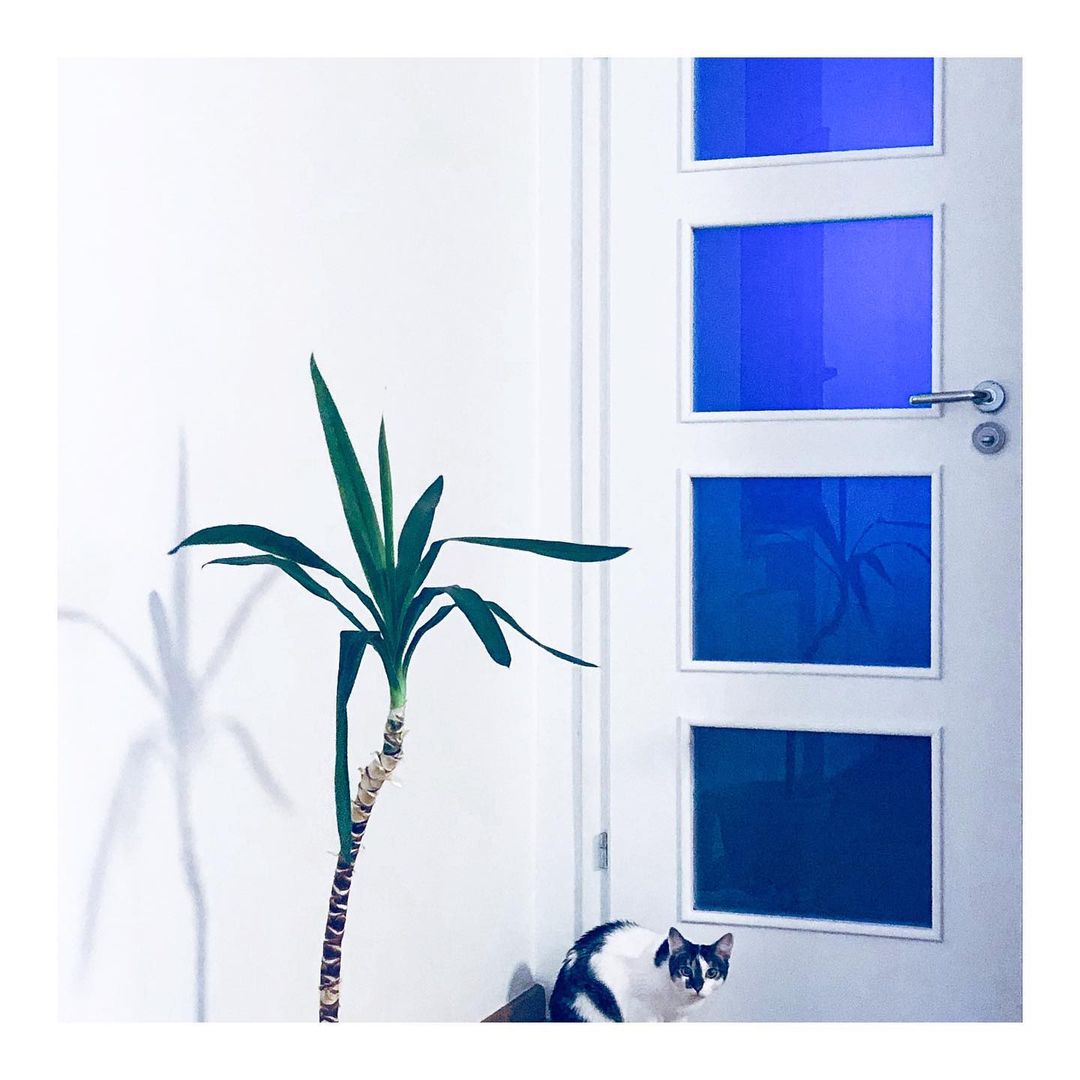
For palm trees, it is best to choose a sandy loam, which is different because it is well suited for planting a palm tree outside. To plant a palm tree indoors, you will need a large pot. When mixing the soil, you need to add to it perlite, peat moss, which are considered very light types of soil and provide it with good drainage. It will not be superfluous to add some sand, bark, wood chips and dolomite to the soil.
If you plant a palm tree in open soil, it should not contain more than 20% of the soil.
The importance of a quality drainage system
When planting a tree, it is important to ensure good drainage. A drainage system with perforated pipes will help keep the soil moist and aerated while allowing excess water to drain away quickly. This method applies to palm trees that you plant in the open ground on the property.
Photo from @leadinggear
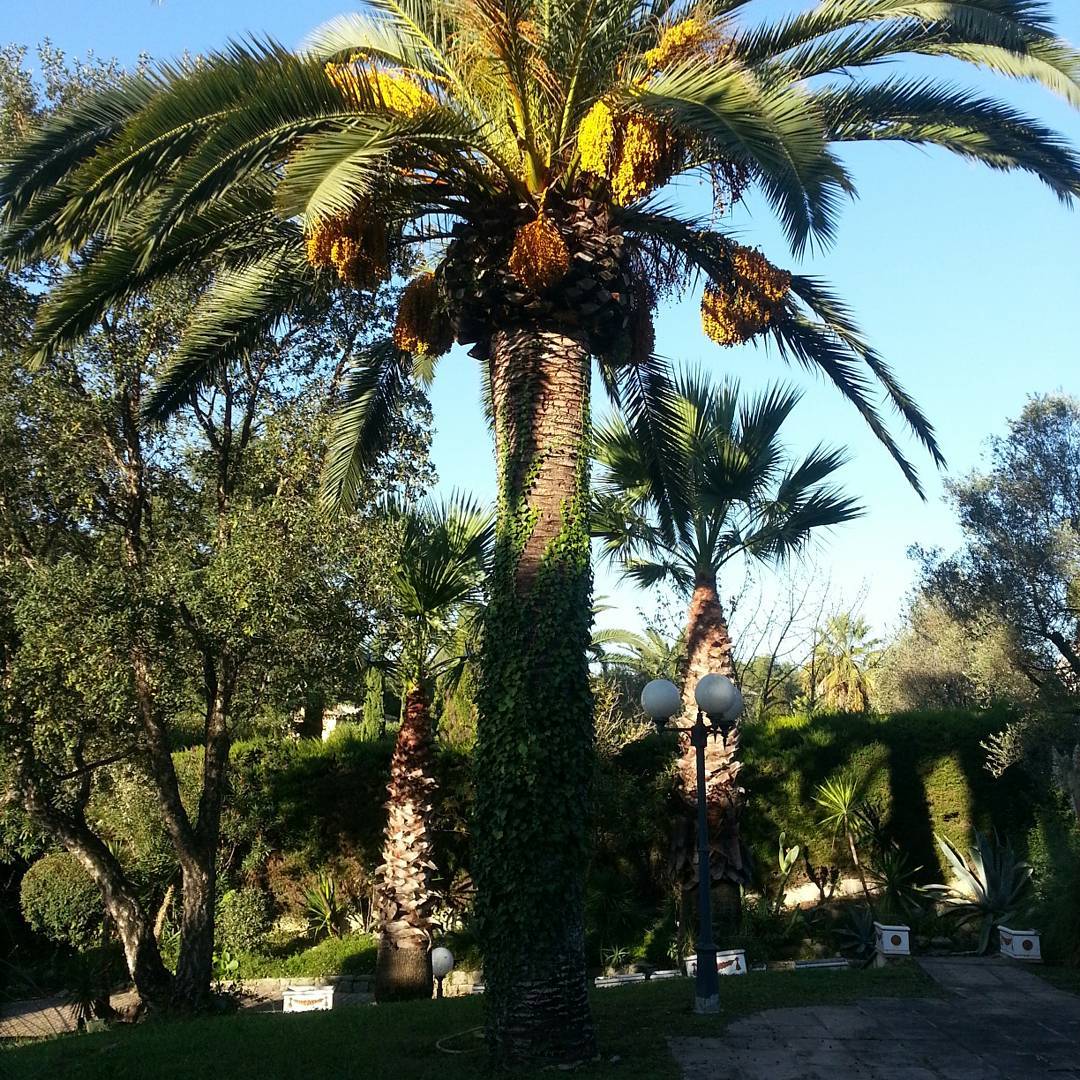
If it is not possible to install a drainage system, you can check your soil. Dig a hole about 13 inches wide and 13 inches deep, pour water into it, let it drain, and repeat two more times. If the water runs off quickly, the soil is very dry. If this is the case, it is important to add organic materials so that the soil holds water longer.
Soil acidity for palm trees
The soil should be slightly acidic, so peat can be added to the substrate. Its pH is between five and a half and seven and a half. If your soil is too alkaline, it is better to find out which plants are best suited to it before planting palms there. It is better to use acidity test strips before planting.