
If your dieffenbachia leaves are turning brown, you may be wondering what is causing this and how you can fix it. Dieffenbachias are beautiful plants that can add a touch of elegance to any room, but when their leaves start to turn brown, it can be quite concerning. In this blog post, we will discuss the causes of brown leaves on dieffenbachias and provide some solutions to help get your plants looking healthy again!
What kind of plant is dieffenbachia?
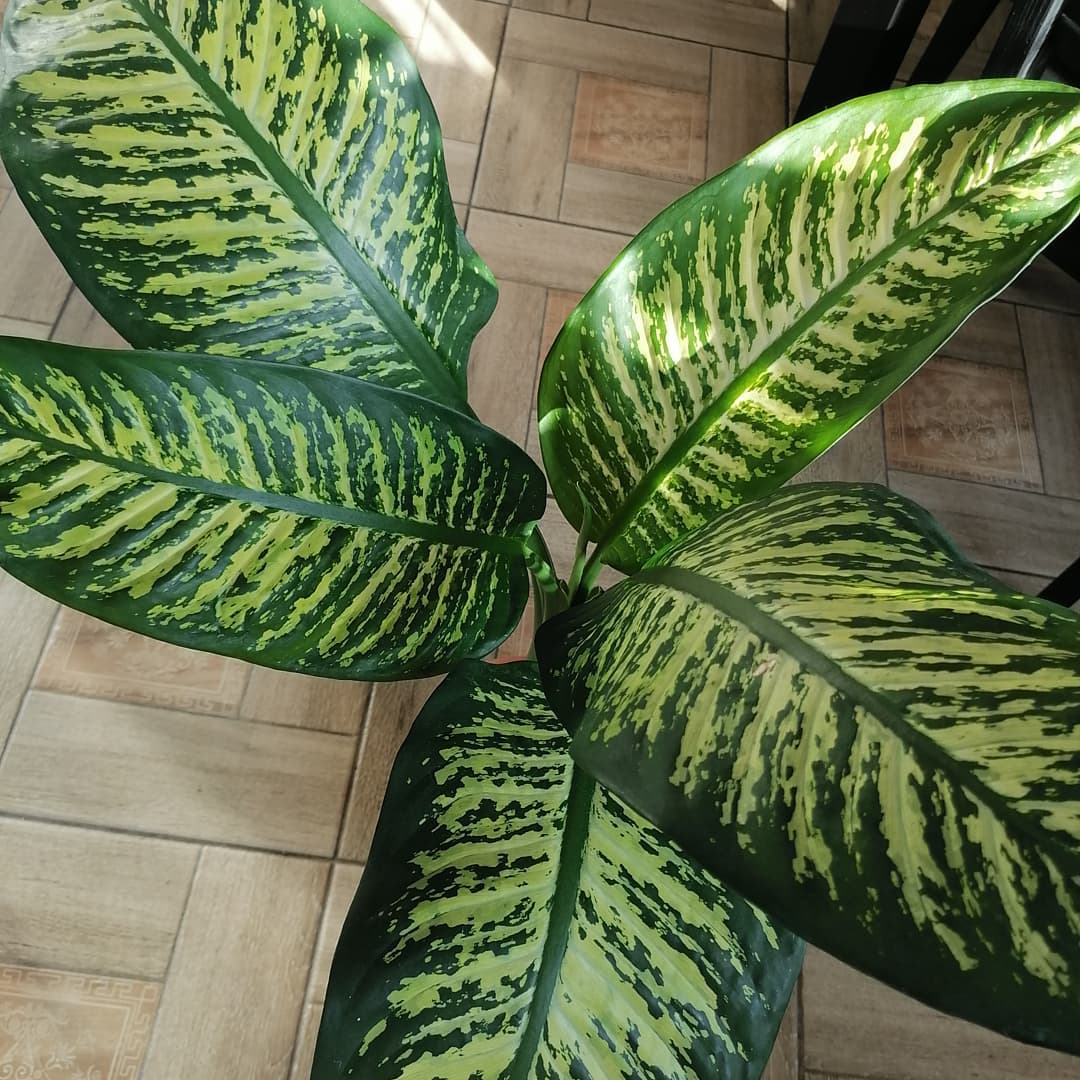
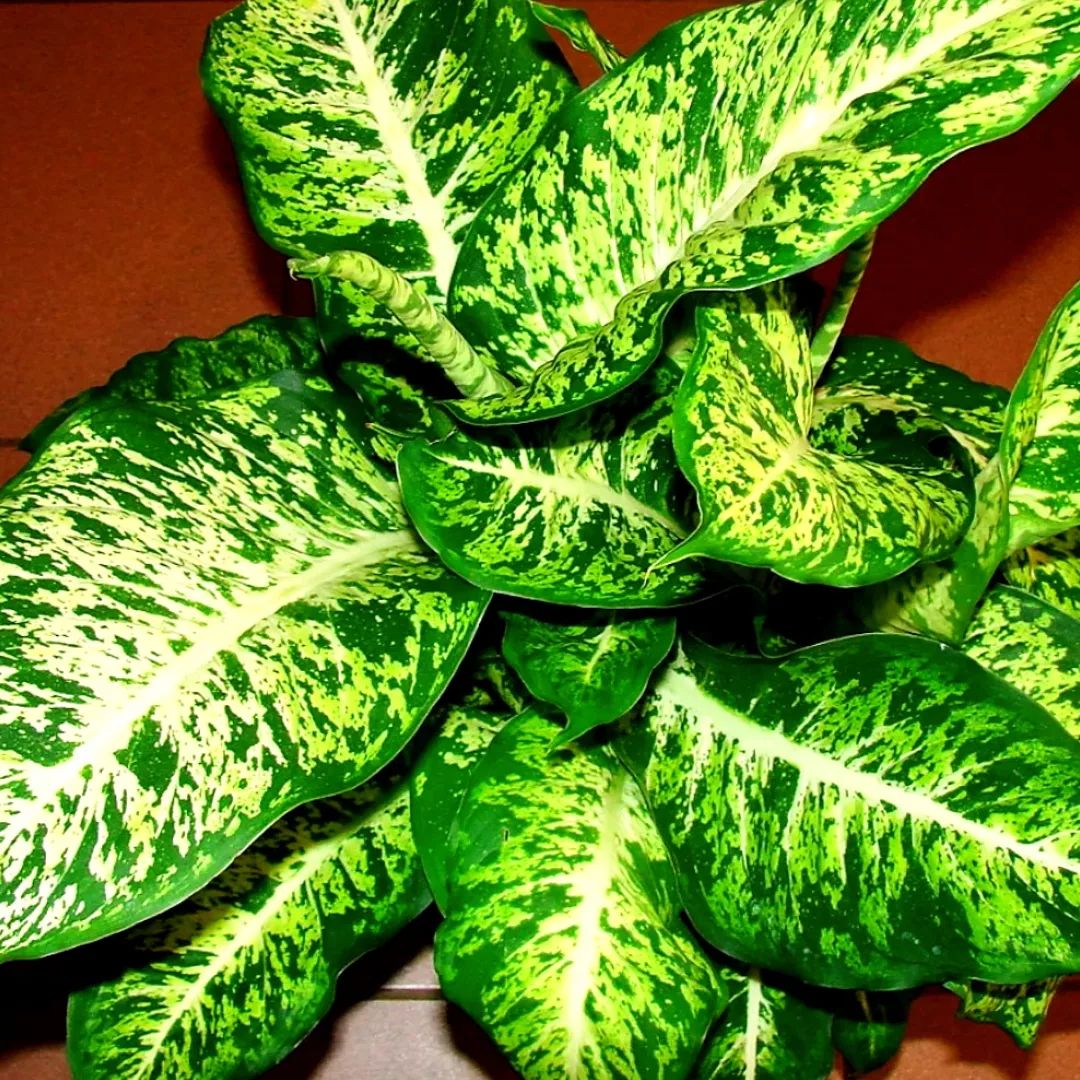
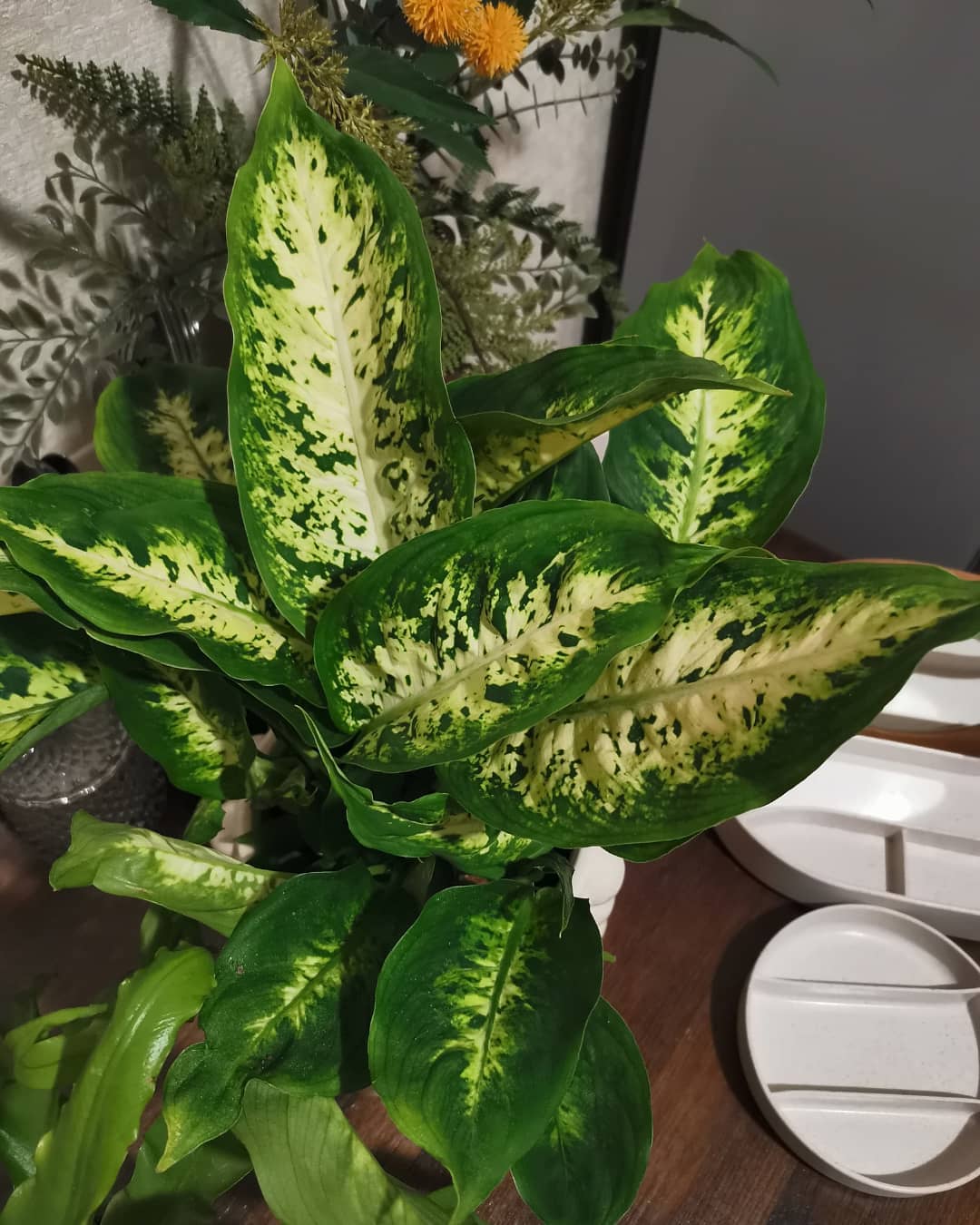
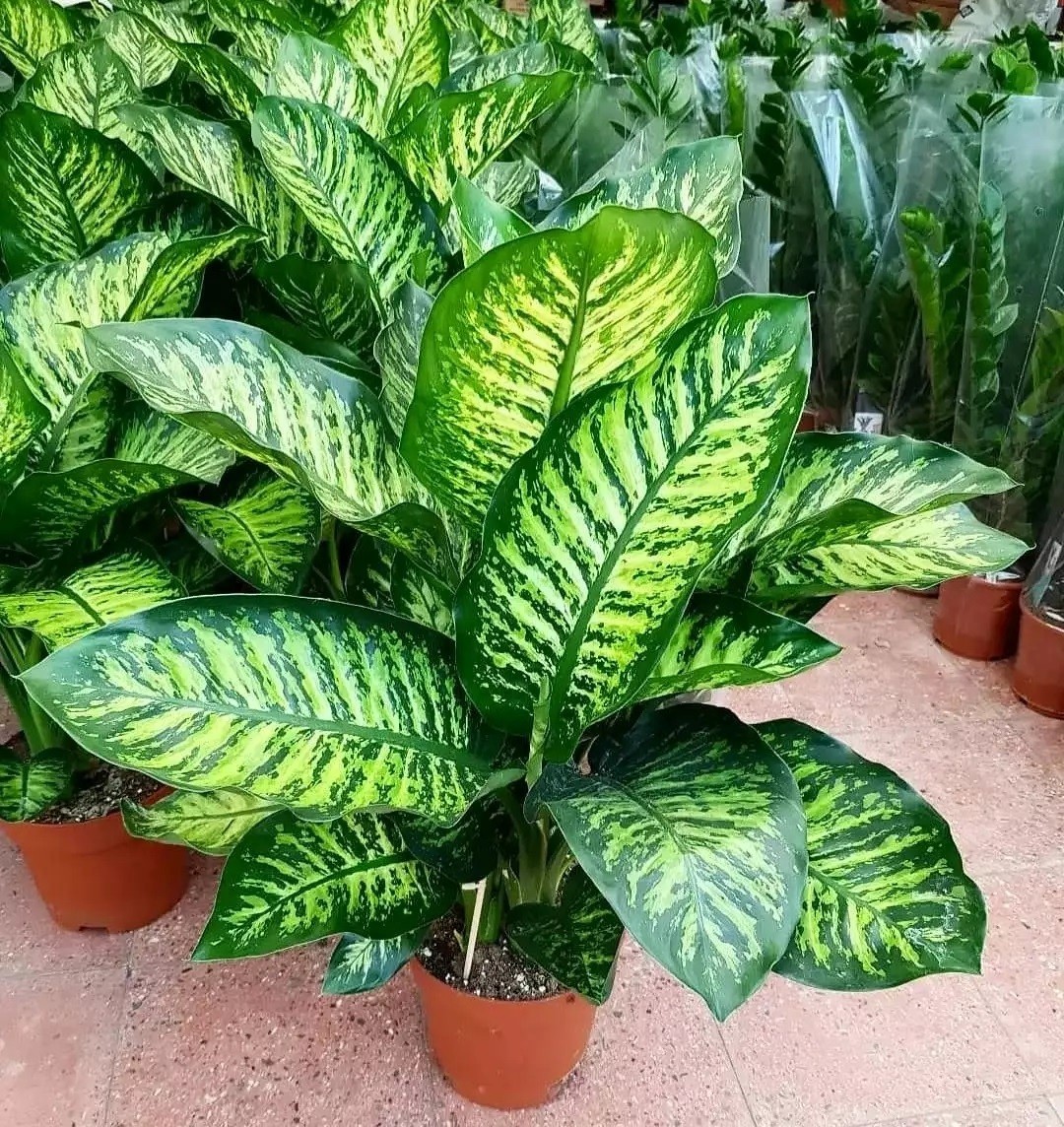
Diffenbachia, also known as the blunt reed, is a tropical plant native to the Americas. It is a popular houseplant because it is relatively easy to care for and can tolerate low light conditions. Diffenbahia can grow up to six feet tall and has large, glossy leaves painted a mottled rich green color with white speckles.
The leaves of the plant are oval in shape with a sharp, narrow tip that can sometimes hang loosely from the leaf. To the touch, the leaves are smooth, with a slight waxy patina. They are very pleasant and delicate. The color of the leaves is usually green, but different shades of green such as lettuce, bottle green, sea green, and others are observed. The center of the leaf is covered with a white or milky color, which looks very nice and garish with the green.
The main reasons why diffenbahia leaves turn brown
Excessive watering
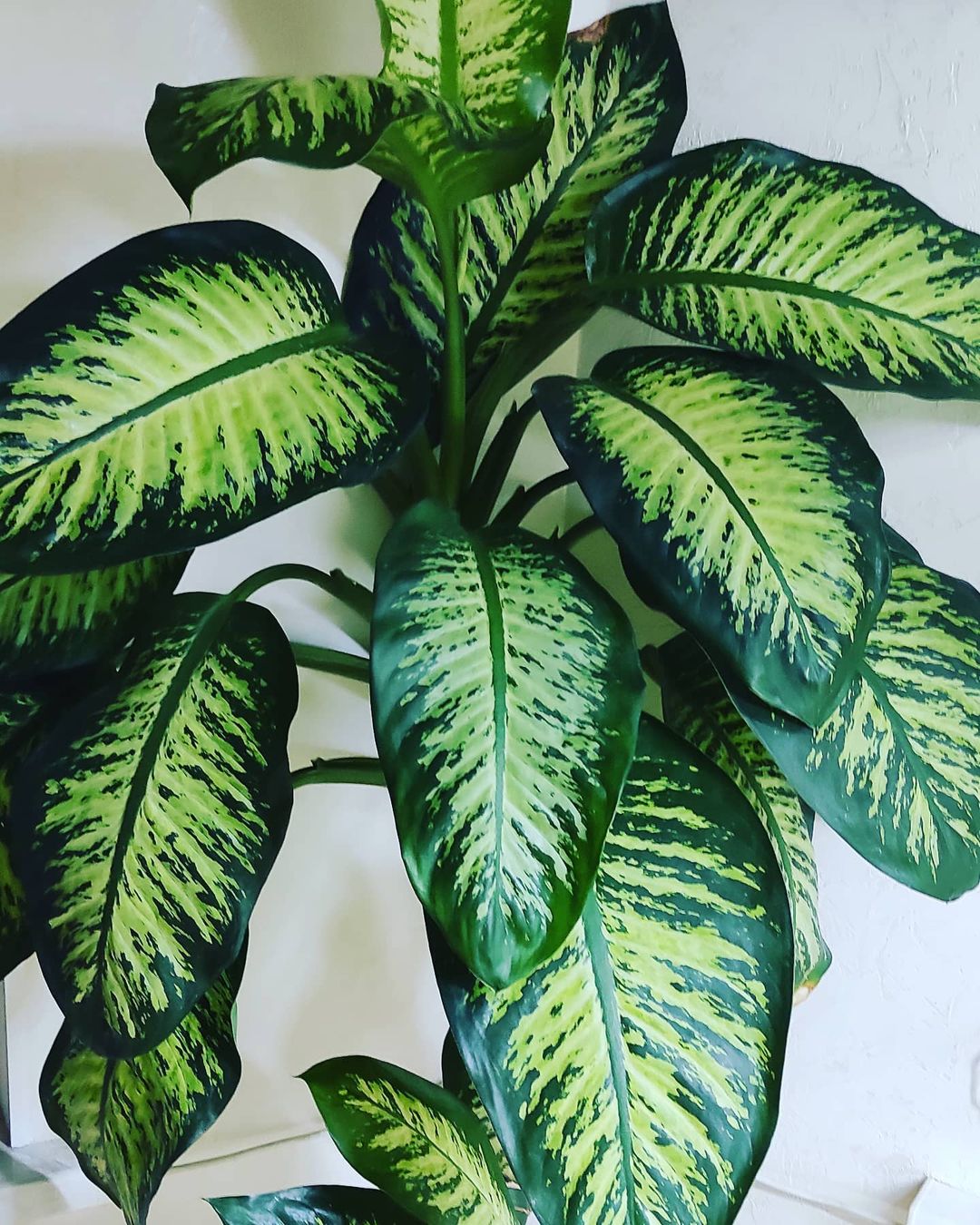
If you water your diffenbahia too often, this can cause brown leaves. Diffenbachia like moist soil, but do not like waterlogging. Be sure to check the soil before watering and only water when the top inch or so of soil is dry.
If you constantly overwater, the roots of the plant will begin to rot, which immediately affects the appearance of the leaves. If this process is not stopped, the root rot will spread, then the roots will need to be cut back to save the plant. In case of overwatering, you need to let the plant rest for 7-10 days. During this time the water will drain from the roots and they will not rot.
Lack of water
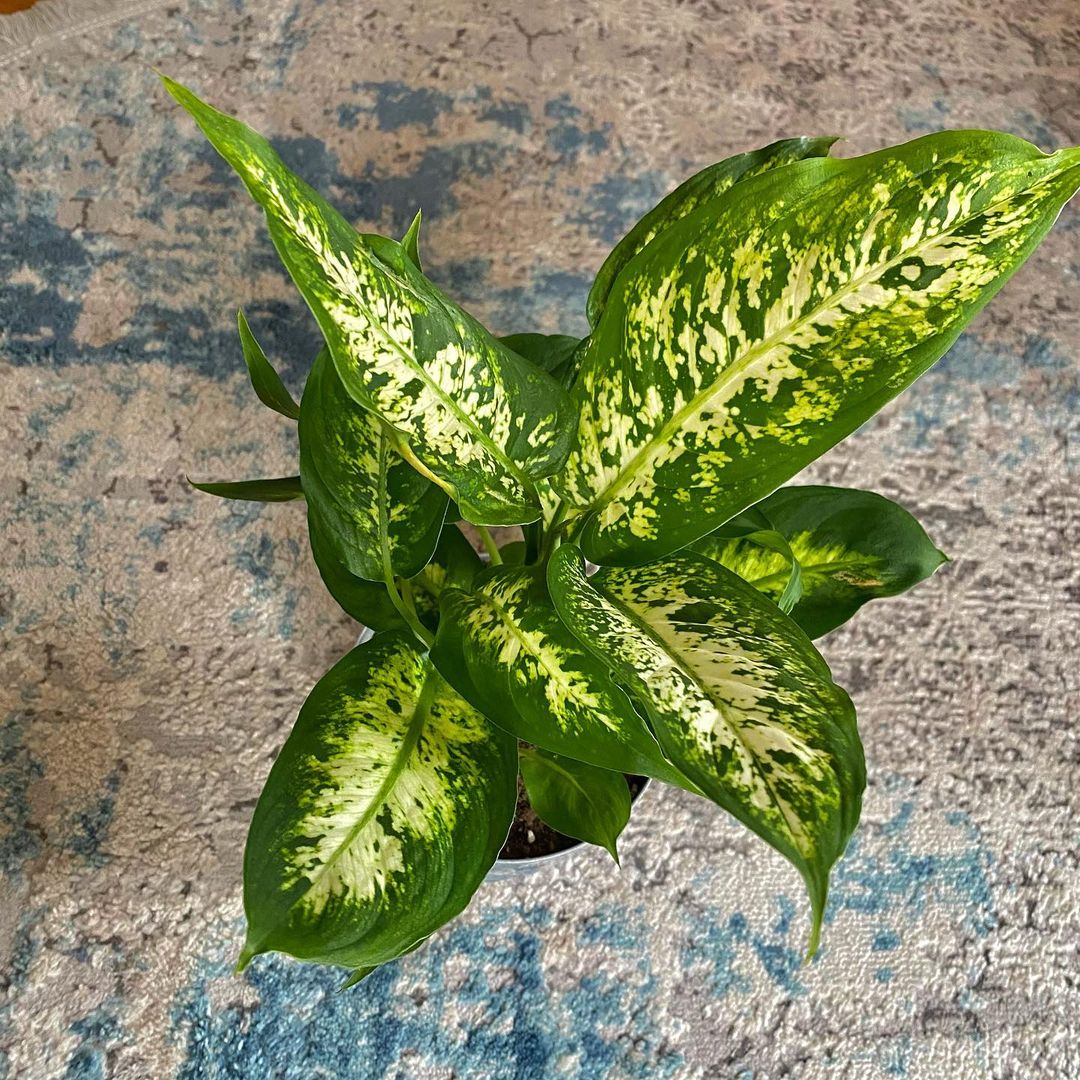
Inadequate watering is often the main reason why diffenbahia leaves turn brown and die off. The leaves first begin to turn yellow, then turn brown, and eventually turn black. If you see your diffenbahia leaves turning brown, water it immediately and increase the frequency of watering until the leaves return to their normal color. But that’s if you’re sure the plant needs water.
For that, just pay attention to its soil. If the soil is more than half a finger dry, the plant is in dire need of water. After all, when watering diffenbahia, it is important to watch only the top layer of soil so that when it dries out, you can water the plant again.
Lots of sunshine
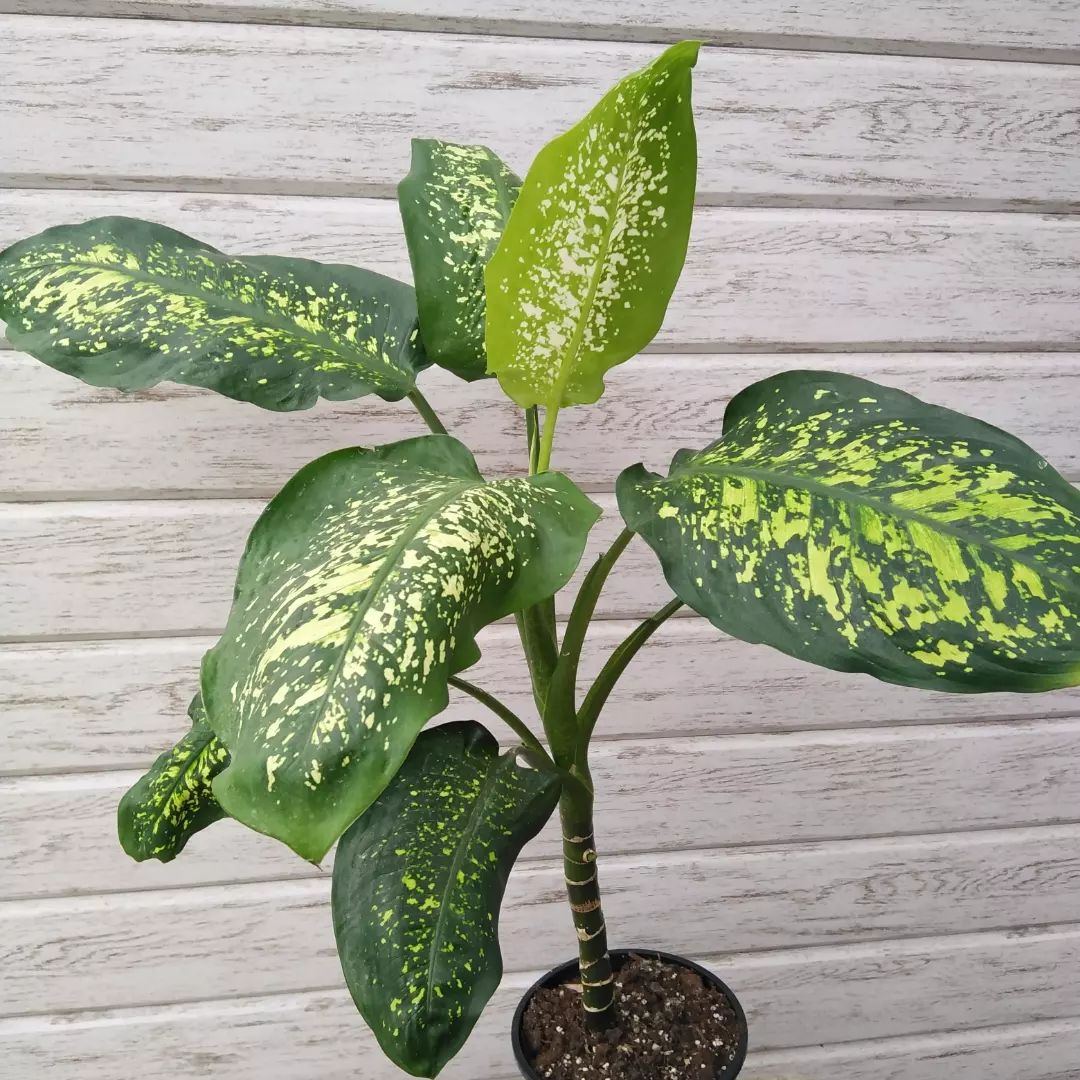
Dieffenbachia is a type of plant that does not like too much sun. Under natural conditions, the plant grows in the jungle in a shady area. Too bright or direct sunlight can not only damage your plant, but also kill it.
The bright sun causes the leaves to get a burn that spreads quickly throughout the leaf. The leaves first turn a matte yellow and then turn brown. Make sure that Dieffenbachia stands on a window sill that faces the hottest and best lighted side. This will help to give the plant enough light, but at the same time can’t damage it.
Low temperature
Diffenbahia is a tropical plant that grows in places with high humidity and temperatures around 25 degrees. If the temperature drops too much, the leaves first turn yellow, then turn brown and fall off. The plant does not tolerate frost and prolonged cold spells.
If you want to keep Dieffenbachia outdoors, make sure the plant is in a sheltered location where it will not be exposed to strong winds or rain. It is best to bring the plant indoors when temperatures begin to drop at night. Remember that the optimum temperature for growing the plant is 18-24 degrees Celsius and 65-75 Fahrenheit.
The first and obvious sign that the plant is cold is when its leaves start to brown first and then quickly wilt. During the summer, keep your Dieffenbachia away from air conditioning and fans so it doesn’t get blown away.
Lack of nutrition
Like any other living thing, plants need food to grow and develop. A lack of nutrients in the soil can cause your diffenbahia’s leaves to turn yellow and brown. The plant needs a lot of nitrogen, so make sure you use a fertilizer that is high in nitrogen.
It’s important to pick a special soil that’s just right for the plant before planting it. This is usually peat moss, or a mixture of peat moss and overflow, where a 1 to 1 portion goes. You can give the plant 20-20-20 fertilizer every 4-6 weeks to keep the nutrient level inside the soil. During the dormancy period, you don’t need to fertilize as often, but only at intervals of 8-10 weeks.
Timely transplanting
This is one of the best ways to keep your Dieffenbachia healthy and free of problems. Be sure to transplant the plant into fresh soil every one to two years. If you notice your Dieffenbachia leaves turning brown, there may be several reasons for this:
- It is due to old and worn soil, so it is time to renew the soil and transplant the plant into a fresh soil mixture;
- The roots of Dieffenbachia have become too crowded in their pot, so the plant urgently needs to be transplanted. When the roots are too crowded the whole plant suffers. This is immediately reflected in the appearance of the Dieffenbachia and in particular in the yellowing and then browning of the leaves. When repotting a plant due to root crowding, it is important to choose a pot 1-2 inches larger than the previous one.
