Calatheas are stunning houseplants known for their vibrant, patterned leaves. However, these beauties can be a bit finicky, especially when it comes to their potting mix. The right soil is essential for healthy growth and vibrant foliage, as calatheas are particular about their soil conditions. In this article, we’ll dive deep into what makes the perfect calathea potting mix, helping you provide the best environment for your plant to thrive.
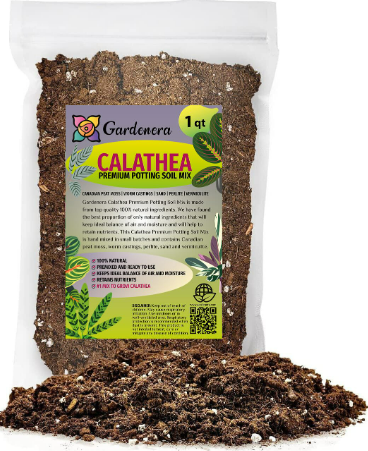
Understanding Calathea’s Soil Needs
Calatheas are native to the tropical regions of South America, where they grow under the canopy of rainforests. These plants are accustomed to well-draining, nutrient-rich soil that retains moisture without becoming waterlogged. Replicating these conditions in your home is key to keeping your calathea happy.
The Importance of Drainage
One of the biggest mistakes new calathea owners make is using soil that doesn’t drain well. Calatheas are sensitive to overwatering and can easily develop root rot if their roots sit in soggy soil for too long. A potting mix with good drainage allows excess water to flow through, preventing waterlogged conditions that can harm your plant.
Moisture Retention Without Compaction
While good drainage is crucial, calatheas also need a potting mix that retains enough moisture to mimic their natural habitat. The soil should stay slightly moist between waterings, but it should never become compacted. Compact soil can suffocate the roots, leading to poor growth and yellowing leaves.
Components of the Ideal Calathea Potting Mix
Creating the perfect potting mix for your calathea involves combining several components to achieve the right balance of drainage, moisture retention, and aeration.
Peat Moss or Coco Coir
Peat moss and coco coir are excellent choices for the base of your calathea potting mix. Both materials retain moisture well while providing good aeration. Peat moss is slightly acidic, which can be beneficial for calatheas, but coco coir is a more sustainable option with a neutral pH.
Perlite or Pumice
To improve drainage and aeration, adding perlite or pumice to your mix is essential. These materials help create air pockets in the soil, preventing it from becoming compacted and allowing roots to breathe. A good rule of thumb is to mix in about 20-30% perlite or pumice with your base.
Orchid Bark or Pine Bark Fines
Adding orchid bark or pine bark fines helps to further improve drainage and mimic the natural conditions of a rainforest floor. The chunky texture of bark creates gaps in the soil, allowing water to pass through while still retaining some moisture.
Worm Castings
Worm castings are an excellent organic amendment to your potting mix. They provide a slow-release source of nutrients that can help keep your calathea healthy. Worm castings also improve the soil structure, making it more porous and better for root development.
Charcoal (Optional)
Charcoal can be added to the mix for its natural ability to absorb toxins and odors. It also helps with drainage and can keep the soil fresh. Use it sparingly, as too much charcoal can dry out the soil.
Mixing the Perfect Calathea Soil
Now that you know the components, here’s a simple recipe for a calathea potting mix:
- 2 parts peat moss or coco coir
- 1 part perlite or pumice
- 1 part orchid bark or pine bark fines
- A handful of worm castings
- A small amount of charcoal (optional)
Mix these ingredients thoroughly to ensure even distribution of materials. This blend provides the perfect balance of moisture retention, drainage, and aeration that calatheas need to thrive.
Repotting Your Calathea
When it’s time to repot your calathea, choosing the right pot and following proper repotting techniques are crucial.
Choosing the Right Pot
Select a pot with drainage holes to prevent water from accumulating at the bottom. A plastic or ceramic pot works well, as long as it allows excess water to escape. Make sure the pot is only slightly larger than the previous one to avoid overwhelming the plant with too much soil.
Repotting Steps
- Gently Remove the Plant: Carefully take your calathea out of its current pot. Be gentle with the roots, as they can be delicate.
- Check the Roots: Inspect the roots for any signs of rot or damage. Trim away any unhealthy roots with sterilized scissors.
- Prepare the New Pot: Fill the new pot with a layer of your calathea potting mix, leaving enough room for the root ball.
- Place the Plant: Set the calathea in the pot and fill in around it with more potting mix, pressing down lightly to remove air pockets.
- Water Thoroughly: Water the plant well to help the soil settle around the roots.
Maintaining Your Calathea’s Health
Proper care doesn’t stop at the soil. Here are some tips to keep your calathea healthy after repotting.
Watering Wisely
Calatheas prefer to be kept consistently moist but not soggy. Water your plant when the top inch of soil feels dry to the touch. Using distilled or filtered water is best, as calatheas can be sensitive to fluoride and chlorine in tap water.
Humidity and Temperature
Calatheas thrive in high humidity, mimicking their natural environment. If your home is dry, consider using a humidifier or placing your plant on a tray filled with pebbles and water. Keep your calathea in a warm spot, away from drafts or sudden temperature changes.
Fertilizing
Feed your calathea with a balanced, water-soluble fertilizer every four to six weeks during the growing season. Be cautious not to over-fertilize, as this can cause leaf burn.
My Experience with Calathea Potting Mix
As an enthusiastic gardener, I’ve experimented with various potting mixes for my calatheas over the years. I’ve found that using a combination of coco coir, perlite, and orchid bark has consistently given me the best results. My calatheas have shown healthier growth, more vibrant leaves, and fewer issues with root rot since I started using this mix. I also make sure to check the moisture level regularly and adjust my watering schedule to suit the needs of each plant.
Conclusion
Creating the perfect calathea potting mix is key to maintaining the health and beauty of these tropical houseplants. By understanding their specific soil needs and using the right combination of ingredients, you can ensure that your calatheas thrive in your care. Remember, the right mix of drainage, moisture retention, and aeration will help you avoid common issues like root rot and yellowing leaves, allowing your calathea to flourish and brighten your home with its stunning foliage. Happy gardening!